


04 February 2026
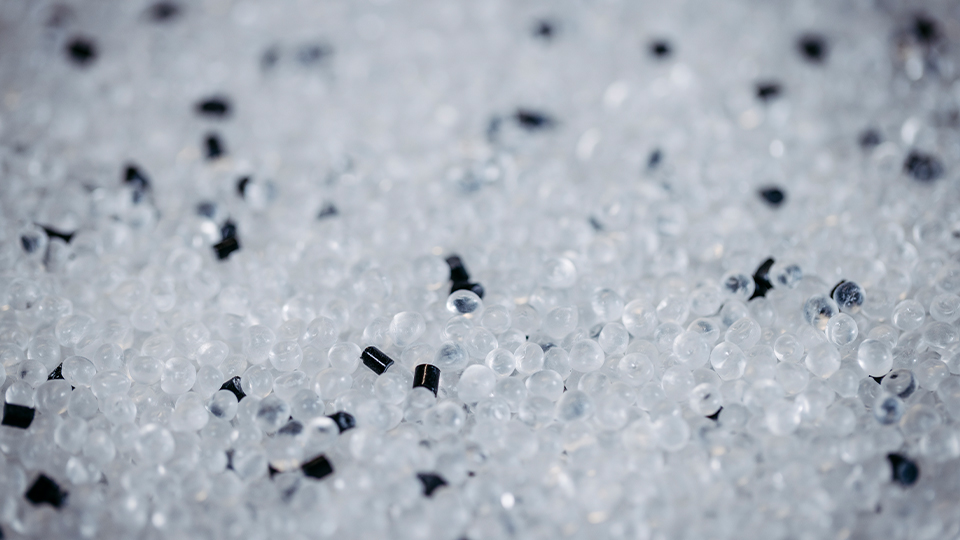
Sports eyewear brand evil eye has made the move to biocircular materials. The company announced that, as of 1 August 2025, the brand is using ECO PPX, a polymer made from biocircular raw materials including organic waste from agriculture and forestry.
Susanna Kumpfmueller, brand director of evil eye, told OT the material “matches fossil materials in strength, flexibility, and precision – after years of research and development.”
The material offers impact resistance, low weight, thermal stability, UV and sweat resistance, and long-lasting durability.
Kumpfmueller said: “Sustainability in sports eyewear means rethinking the full lifecycle, not just using sustainable materials. We must balance performance, durability, innovation, and responsible production.”
“Today, sustainability is no longer a compromise but a true innovation driver,” she added.
Beyond the frames, sustainability at the brand is a feature of production, packaging, and the product lifespan.
“We manufacture in Austria using 100% renewable energy, optimise logistics, and ensure transparency. Packaging is FSC-certified and lightweight, and microfibre bags use 95% recycled PET,” Kumpfmueller said.
Frames are also all repairable, allowing for components to be replaced. This minimises waste, the company highlighted, and extends the product’s lifecycle.
Kumpfmueller told OT: “We see a clear shift, particularly among performance-oriented consumers: they still prioritise function, but they increasingly expect brands to reflect their values.”
In the sports segment of eyewear, sustainability is not a ‘nice to have,’ she said, adding: “It’s becoming a decision factor, especially when performance and responsibility can coexist without compromise.”
When talking about the brand with customers, Kumpfmueller said: “We recommend focusing on three simple and credible messages: performance, responsibility and longevity.”
“Customers don’t necessarily need scientific material details – they want to understand why it matters for their sport, their lifestyle and the planet,” she said.
Education and confidence
Sustainable eyewear company, Coral Eyewear, has partnered with the Great Britain Cycling Team since 2023, supplying athletes and staff with eyewear made from recycled plastic and plant-based acetates.
One of the biggest factors that differentiates Coral Eyewear is the limited number of product drops the company will release each year, something that is particularly important as more events are added to the calendar.
George Bailey, co-founder of Coral Eyewear, said: “It’s very tempting to chase a new colourway for every major event in cycling. We’ve spoken to the athletes to try to bring them on board with the mission of limiting the number of drops to the more functional side – we will design different shapes, for performance and comfort preferences, but limiting the number of colourways.”
The brand works closely with the team throughout their athletic journeys, to understand their competition calendars, when they will need new kits and replacements, and making themselves available to answer questions from athletes.
Bailey highlighted the benefit in finding a frame that can work for an athlete throughout the season – from summer rides in high heat and sunshine, to winter training camps with low light.
“That’s where our changeable product has come into play. Athletes can switch between a polarised model, which they quite often wear during the summer season, to a more yellow low-light product or even a clear lens just the keep the elements out of their face during the winter. That reduces the need for three different frames,” he explained.
Coral Eyewear uses both bio-based and recycled materials for its eyewear to replicate the qualities of plastics created from virgin materials. The brand’s materials include Econyl, created from recovered materials from fishing nets, carpet waste, and plastic out of landfill.
While sustainable materials have been available for some time, Bailey suggested that it has been necessary to educate wearers on recycled and bio-based materials.
Emphasising the need for athletes to have confidence in their equipment, Bailey outlined the work of the brand to enable athletes to test the products, sharing: “I think the biggest element has been working with them from the start and educating them a little bit on the materials. A lot of them have got behind it from day one and have been with it throughout their careers in the team.”
For members of the public, seeing a favoured athlete wearing a sustainably-made product can be a vote of confidence in the brand too.
On the value of partnerships, Bailey said: “I think the more teams and athletes that champion sustainable brands, the more confidence that the general public are going to have in the product. I think that will filter down throughout the whole industry and that’s ultimately what we’re trying to do through some of these partnerships.”
Practices have adopted the collection, creating sections of the practice dedicated to sports eyewear or ski wear during winter months.
“I think it’s a way to evoke the everyday passion points for customers and ultimately fit a need that a lot of people do require,” Bailey reflected, adding: “The more we can get that through practices rather than online, the better.”
Measure to reduce
Italian manufacturer, Rudy Project, produces high-performance sports eyewear, optical solutions, and helmets.
Through a partnership with Saddleback Ltd, the UK distributor for Rudy Project, in 2025 Deepcove Optical became the exclusive optical channel partner for the brand’s sports eyewear in the UK market.
Announcing the partnership, Roland Allen, managing director of Deepcove Optical, explained that the agreement reflects the company’s aims to “support independent practices with differentiated products that combine world-class frames and advances lens technology.”
Irene Lucarelli, marketing and sustainability for Rudy Project told OT: “In the outdoor industry, consumers are becoming more and more aware of the overall impact products have.”
Rudy Project’s environmental, social, and governance strategy is encapsulated in its RideToZero programme.
Through this, the manufacturer aims to measure and reduce emissions throughout the lifecycle of its products, including embracing circular economy principles in order to minimise its environmental footprint.
The company uses the Carbon Footprint Systematic Approach to calculate greenhouse gas emissions across each stage of the life of a product – from sourcing materials and manufacturing, to distribution, use, and disposal. These calculations are then reviewed by independent third-party organisations.
Commenting on this model, Lucarelli told OT: “As far as our product is concerned, this is a good tool to start analysing what areas impact the most in terms of CO2 emissions. From there, we’ll define an improvement plan with impact reduction goals.”
The company describes its approach as promoting a “greener future without compromising on quality, safety, or style.”
A number of Rudy Project high-performance sunglasses are made with Rilsan Clear, a bioplastic made from castor oil – a renewable resource grown in Gujarat, India. The material is resistant, lightweight, and flexible.
Lucarelli shared: “The goal is to expand the use of Rilsan Clear – or other raw materials of preferred origin – to replace conventional plastics in newer products.”
The manufacturer has also stated a rejection of fast fashion trends in favour of “timeless” designs, to reduce the need for replacements, while it also aims to make spare parts and assistance accessible to extend the lifespan of its products.


Comments (0)
You must be logged in to join the discussion. Log in