


03 December 2025
Glaucoma, myopia, optical coherence tomography, practising safely, wellbeing – key themes have emerged through the education programme of 100% Optical 2026.
The show, held at Excel London from 28 February–2 March, will feature a comprehensive programme of education for optical professionals to enhance their knowledge, consolidate skills, and discover evolving areas of research.
OT has highlighted a handful of sessions exploring the topic of accessible eye care.
Lecture with discussion workshop: The special school eye care service
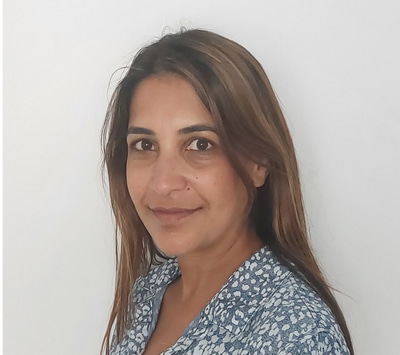
A team from SeeAbility will host a lecture with discussion workshop on 2 March at 2pm on the Special School Eye Care Service.
SeeAbility’s Special Schools Eye Care Service clinical lead optometrist, Malvi Patel, along with Martyn Howlett, senior dispensing optician, will discuss providing optimal care for people with learning disabilities.
People with learning disabilities are 10 times more likely to have significant visual problems, SeeAbility highlighted: “yet much less likely to access eye care.”
A common misconception is that an individual needs to be able to read or speak to have an eye test.
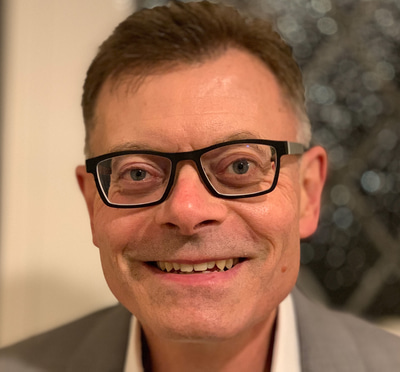
Patel and Howlett told OT: “Every day we see children who previously missed out on glasses they need, either because no-one thought they might need glasses, or no-one believed they would tolerate them – but are now proudly wearing them.”
The session will explore how delegates can make their practices more accessible to people with learning disabilities, with ideas on adapting clinical practice and clinical case discussions. Information will also be shared on specialist eye care pathways and the new Special Schools Eye Care Service.
Register now
Lecture with discussion workshop: Accessible communication and the art of effective symptoms and history taking
The Royal National Institute of Blind People (RNIB) will present a session in the Dispensing Workshop on accessible communication.
Louise Gow, head of eye health, optometry and low vision, and Preeti Singla, optometry and low vision engagement manager, at RNIB, will lead the lecture with discussion workshop.
Gow told OT: “Communication is a key skill for every practitioner and the RNIB session at 100% Optical Accessible communication and the art of effective symptoms and history taking will explore ways of ensuring each patient is heard and supported in the way they need to be.”
These methods are the cornerstone of appropriately targeted intervention and solutions
The presenters will discuss accessible communication techniques and approaches, the legislation around this, and the difference it makes to patients.
Gow continued: “RNIB colleague, Preeti Singla, and I will be using real-life scenarios in group discussions to encourage delegates to share tips and ideas for common consulting room situations such as symptoms and history taking with someone who has dementia.”
“These methods are the cornerstone of appropriately targeted intervention and solutions. While this is based in low vision settings, the principles apply across primary and secondary care services,” she added.
Visit the education programme to find more sessions dedicated to this topic, and more.


Comments (0)
You must be logged in to join the discussion. Log in