


06 July 2026
This week marks Glaucoma Awareness Week (6–12 July) – an annual awareness-raising event organised by Glaucoma UK.
During the week, Glaucoma UK encourages people to talk about glaucoma – a condition that around 1.1 million people in the UK have, with around half of these cases undiagnosed.
This Glaucoma Awareness Week, Glaucoma UK is launching its National Patient Voices Survey, which aims to gather 10,000 responses from patients to inform efforts to transform glaucoma care.
In recognition of the awareness-raising week, OT speaks with optometrists and a glaucoma care advocate about emerging treatments, the valuable role optometrists can play in glaucoma care, and memorable patient encounters.
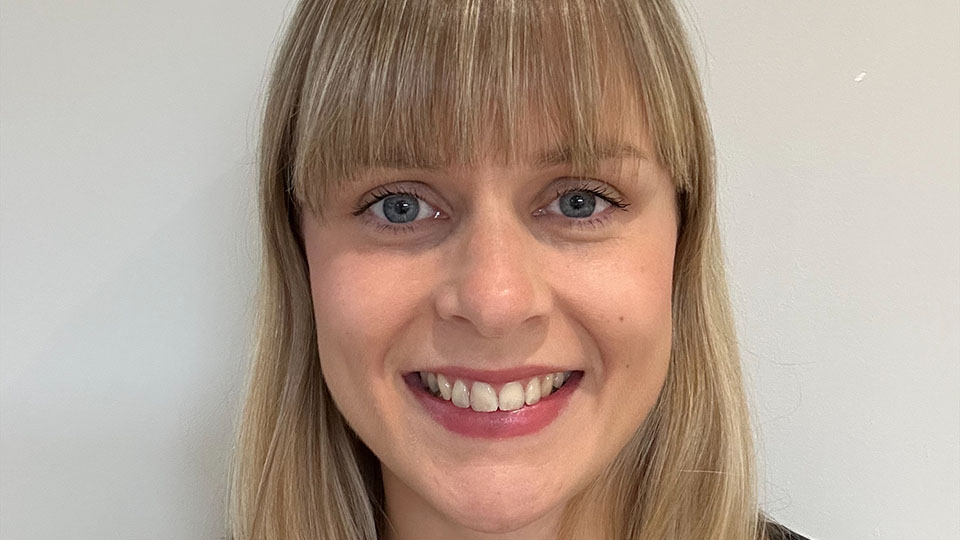
Katie Mote, IP optometrist at Phillips Opticians
Why is glaucoma an area of practice you are passionate about?
I fell into glaucoma care – when I joined the practice, it had just received a contract with the local health board to provide data collection clinics. The experience with patients within the clinics was very rewarding - patients were pleased it only took 45 minutes compared to an entire morning or afternoon at the hospital. They liked being able to ask questions and I had the time to answer those questions. This led to the health board releasing funds for optometrists to study towards their professional certificate and higher certificate glaucoma qualifications, both of which I have enjoyed.
How can providing glaucoma care in the community benefit patients and the hospital eye service?
Stable low risk glaucoma and ocular hypertension patients can be monitored safely in the community by optometrists with specialised qualifications. They can receive convenient care closer to home. These services also make the testing day more varied and, in my opinion, more interesting. It frees up hospital appointments for those at greater risk of sight loss, which in turn reduces the waiting list – so it’s a win-win situation.
What is a memorable patient encounter that has stuck with you regarding glaucoma assessment and treatment?
Not a positive experience, but unfortunately I’ve had a couple of patients who have presented with advanced glaucoma. It’s a difficult appointment to explain to someone that their blurred vision is due to glaucoma damage, and a pair of glasses won’t fix it.
All these cases can be linked back not attending regular optician appointments – none had received an eye test in the past 10 years. It just shows how important regular sight tests are. I hope that one day everyone will attend for regular sight tests, and regard it with the same importance as going to the dentist. We only have one pair of eyes, so we need to look after them.
Johnathan Waugh, AOP Councillor, IP optometrist and director of Kirk Road Eye Care
Why is glaucoma an area of practice you are passionate about?
Glaucoma is still a significant cause of vision loss which, if picked up early at a routine eye examination, can be managed much more effectively and reduce the impact on a patient’s quality of life. Optometrists across the UK are key in that detection. Despite public health campaigns, we still see patients present with late-stage disease, having not been for an eye check in years. Often, they have visual symptoms that they assume is down to needing glasses and it is a shock when they find out that there is permanent damage to their optic nerve and they may have to give up driving.

How can providing glaucoma care in the community benefit patients and the hospital eye service?
Hospital eye departments are swamped with workload and are struggling to manage chronic conditions like glaucoma, which usually require at least an annual check-up. In the community we can provide the same level of care closer to patients’ homes, with less travel and wait times and more time for discussion and support with treatment compliance. In Scotland, we undergo an additional year of training to manage suitable patients who have been discharged to us from the hospital eye service more effectively in our practices.
Often, they have visual symptoms that they assume is down to needing glasses and it is a shock when they find out that there is permanent damage to their optic nerve
What is a memorable patient encounter that has stuck with you regarding glaucoma assessment and treatment?
There have been so many memorable patient encounters relating to glaucoma over my 20-plus year career. Within the hospital eye service, these range from having to tell a 46-year-old taxi driver at his initial appointment that he would have to give up his job because he had advanced glaucoma that had already robbed him of his peripheral vision, to the tears of joy when a patient with advanced glaucoma found out that her pressures had finally reduced following complex glaucoma surgery and that perhaps she might not go completely blind.
In the community often the stories are less extreme – which is easier on the emotions – but it has been a pleasure to be able to take time to discuss the condition with patients and answer their questions, making them feel reassured and armed with a much better understanding of their eye condition and what the future might hold for them.

Glaucoma guide
How eye care professionals are stepping up to protect the vision of their communities through excellence in glaucoma care
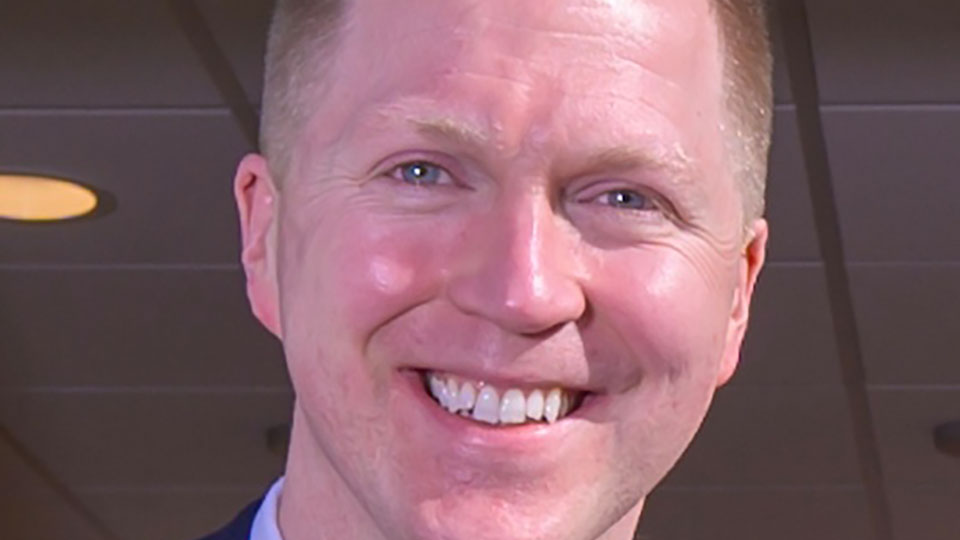
Michael O’Kane, optometrist director at Specsavers Morningside and Cameron Toll
Why is glaucoma an area of practice you are passionate about?
There are few areas of optometry have the potential to change a patient’s future quite like glaucoma care. There’s something incredibly rewarding about knowing that the decisions you make today could help preserve your patient’s vision for decades to come. I really enjoy the challenge of integrating the imaging, visual fields, history and symptoms and clinical judgement to make the right management decision for each patient. Just as importantly, I value taking the time to help patients understand their particular condition and get engaged with their lifelong care. Successful glaucoma management depends as much on informed, engaged patients as it does on clinical expertise or prescribing the correct drop, for example.
How can providing glaucoma care in the community benefit patients and the hospital eye service?
Delivering community glaucoma care for the less complex cases has reinforced my belief that high-quality glaucoma services can be provided safely and effectively outside the hospital setting by appropriately-trained clinicians. Suitable patients benefit from receiving care closer to home, shorter waiting times and greater continuity of care, while hospital eye services can focus their expertise on those with more complex or progressive disease. Community optometry and secondary care are strongest when they work as true partners with integrated record keeping, ensuring patients receive the right care, in the right place, at the right time.
There are few areas of optometry have the potential to change a patient’s future quite like glaucoma care
What emerging glaucoma treatments are you most excited about and why?
I’m particularly excited by the shift towards earlier intervention and more personalised glaucoma care. The growing role of selective laser trabeculoplasty as a first-line treatment, alongside the continued evolution of minimally invasive glaucoma surgery, offers the opportunity to reduce treatment burden while achieving excellent intraocular pressure control for many patients. Looking ahead, advances in sustained-release drug delivery and neuroprotective therapies have the potential to further improve adherence and, ultimately, preserve vision over the long term.

A personal mission to translate promising glaucoma research into effective treatments
Lessons from business to push glaucoma therapies forward


Comments (0)
You must be logged in to join the discussion. Log in