
14 August 2026
As intraocular lens technology advances, we now have more opportunity to tailor outcomes. Conversations and referrals that reflect patients’ lifestyle, expectations and visual priorities can make a real difference – while highlighting both NHS and private options.
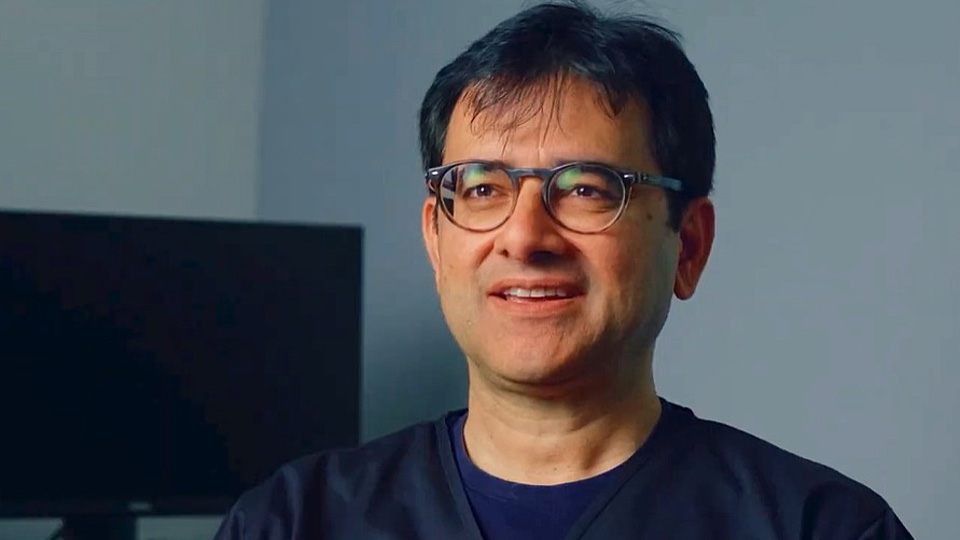
In this article, Qasim Mansoor, consultant ophthalmologist and specialist in cataract and refractive surgery at Newmedica Middlesbrough and Newmedica Darlington, explores how optometrists enhance referral quality through meaningful patient conversations.
Exploring all options – NHS and private referrals
For most patients, the first meaningful conversation about cataract surgery happens in a community optometry practice.
“Every patient wants to understand their options. If I have a cataract and I’m struggling with my vision, I want to know what’s available to me – both NHS and private options. The optometrist is often the first point of contact where patients can access this information,” says Mansoor.
“Expert optometrists can supercharge conversations with patients through lifestyle questions,” he adds.
For most patients, the first meaningful conversation about cataract surgery happens in a community optometry practice
Why do lifestyle conversations matter?
“Many patients today lead very active lives well into their 70s and 80s. They may be working on computers, reading extensively, playing golf, sailing, or enjoying outdoor activities,” explains Mansoor.
Those details matter. A patient who spends hours on a screen, drives regularly at night, or wants greater independence from glasses has very different priorities to someone with more limited visual demands.
What role do premium and EDOF lenses play?
Advances in intraocular lens design, including extended depth of focus (EDOF) lenses, mean there are now more potential options for patients.
It’s therefore vital that patients understand their options, whether they’re suitable, and have realistic expectations of the technology. This is where skilled optometrists have a central role supporting great patient conversations.
What makes a useful referral?
From a surgical perspective, effective referrals give context.
“My main focus is on providing safe, precise surgery with outcomes tailored to each individual patient’s lifestyle,” says Mansoor.
He shares: “When we receive referrals from community optometrists that clearly outline lifestyle needs, visual expectations, ocular surface status and any co-existing or progressive eye disease, these steps make it easier to identify patient needs and tailor lens options to them.”
Newmedica is a leading provider of NHS and private ophthalmology. Visit the Newmedica website for more information.