


12 November 2026
A group of 45 medical professionals travelled to Trincomalee in Sri Lanka in September to provide care to communities in need.
The visit marked the largest yet organised by Humanitarian Medical Relief, with a group of eye care professionals, dental professionals, and doctors volunteering to provide care.
Over five days of testing, the optometry team saw almost 2500 patients, averaging around 500 a day, while approximately 3000 spectacles were handed out.
Hammad Mansoor, CEO and founder of Humanitarian Medical Relief, told OT: “For our optometry team this was probably our most successful project we have done. We saw the most patients and treated the most acute eye conditions yet.”
Several thousand eye drop bottles were donated to the trip by VISUfarma, Scope Eyecare, Thea Pharmaceuticals, Three-Sixty, and Mid-Optic.
Mansoor explained that for the first time, an independent prescriber joined the clinics.
“This meant we saw a few patients who we normally wouldn’t be able to treat – a few with quite severe infections, uveitis, and foreign body removals,” he said.
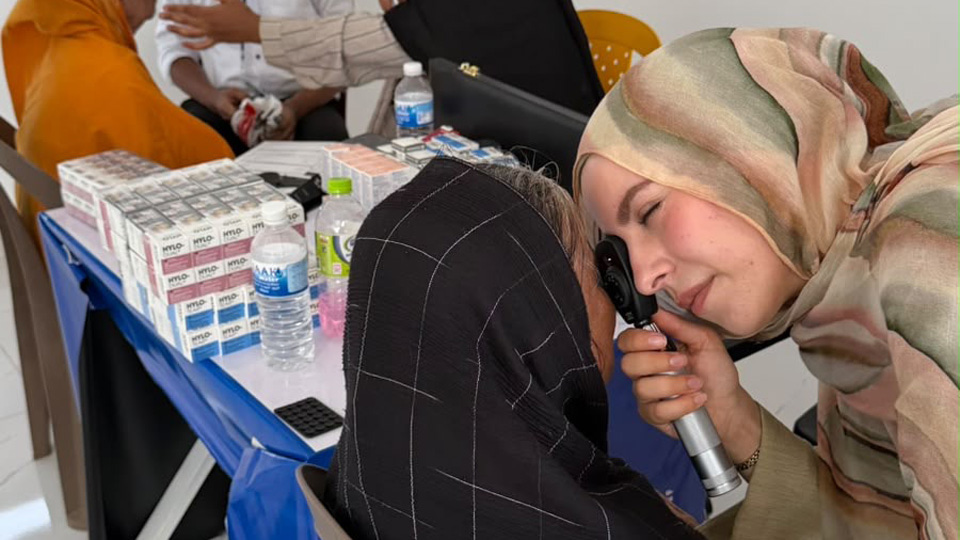
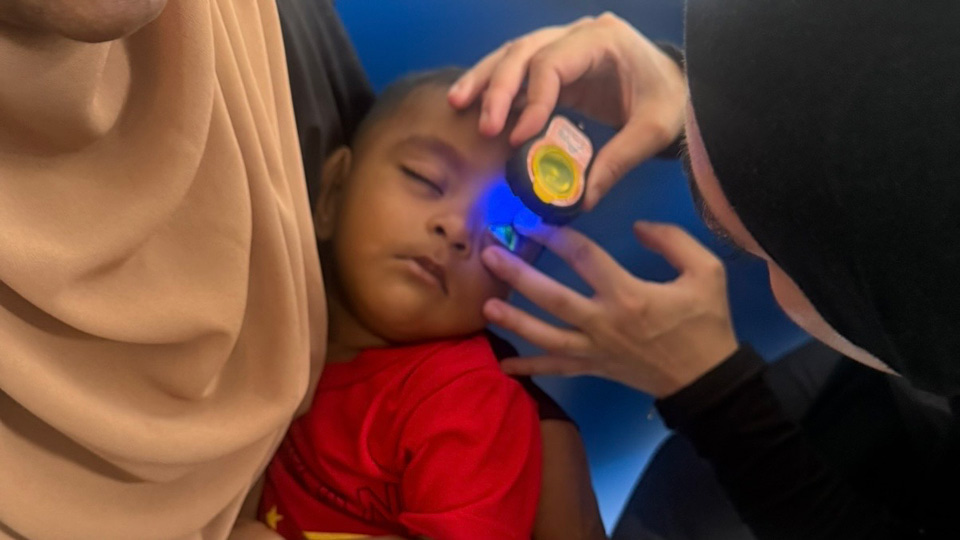
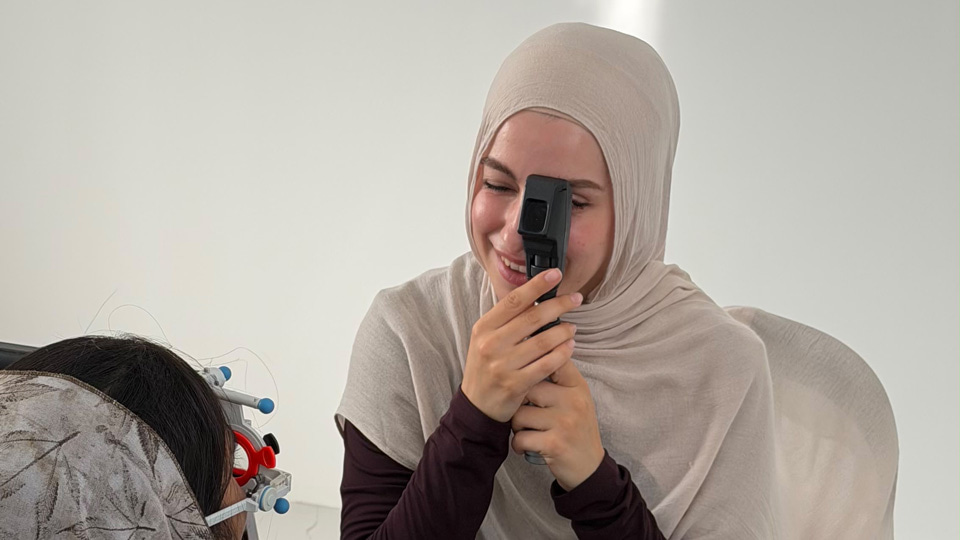
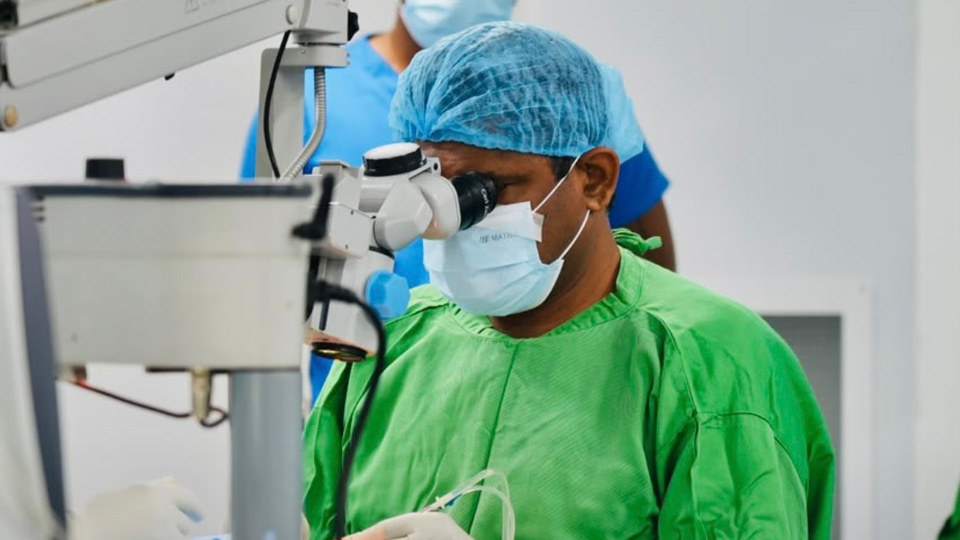
The optometry team purchased a slit lamp for use during the voluntary clinics, which was then donated to a government hospital after the trip. Aston Vision Sciences donated the Lumio tool for handheld anterior eye examinations.
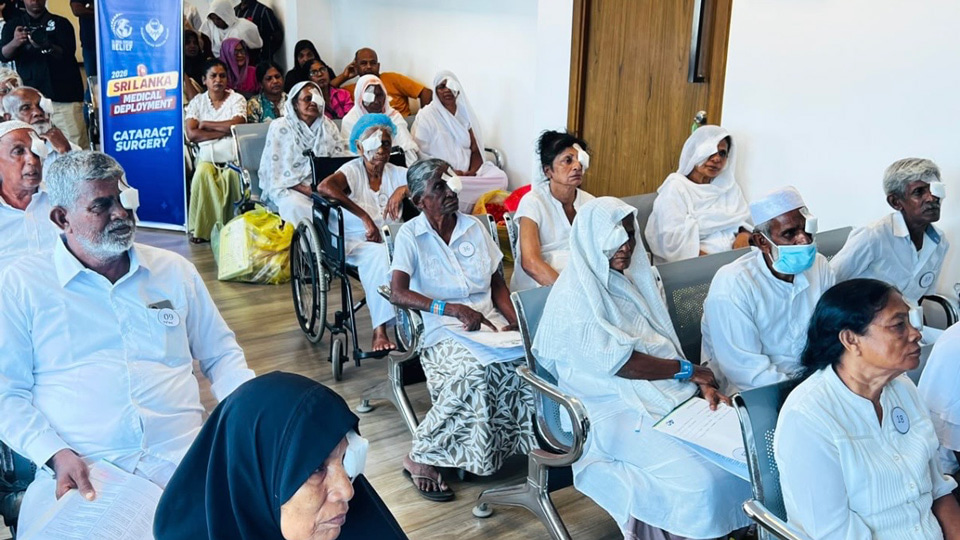
Humanitarian Medical Relief funded more than 50 cataract operations during the visit.
Mansoor shared: “Rather than going for quantity, we went for quality. We contracted a local consultant ophthalmologist surgeon and agreed for him to carry out 50, including pre-op, drops, and follow-up.”
The trip was arranged in partnership with the charity Global Ehsan Relief UK, which had highlighted the level of need in rural areas of Sri Lanka.
Mansoor shared: “We saw a high number of trauma injuries from manual work and farm-based injuries. There was a disproportionate number of people coming in with foreign bodies.”
Many patients had blood-pressure related pathology, diabetes, or other systemic conditions which had either not been diagnosed or the patient had been treated originally but had been unable to access follow-up treatment.
This touches the heart of why Mansoor established Humanitarian Medical Relief: “I always had an idea of a multidisciplinary holistic approach to these trips. I could see there was a need for doctors, dentists, and optometrists.”
“We come across people who we don’t just help with their vision, we help with their medical needs,” he shared.
Humanitarian Medical Relief has grown “faster than we expected,” since its first deployment in January 2025, Mansoor said, but he has plans to expand further, introducing new clinics and services to future trips.
He reflected: “It is good to see the enthusiasm of people interested in going and doing good. I think something we don’t realise in the UK is how skilled the professionals here are and the good work they do.”
Organising each deployment can take months of work, but Mansoor said: “There is so much that goes on behind the scenes, but then you see the fruits of your labour when you’re out there and it makes it all worthwhile.”

Providing eye care to refugees from Syria and Gaza
Locum optometrist, Hammad Mansoor, led a multidisciplinary group of clinicians to volunteer in Jordanian refugee camps
“It’s something I would do again in a heartbeat”
Salma Yas, a hospital and telemedicine optometrist in London, volunteered on the trip to Sri Lanka.
She told OT: “Going on a charity deployment had been high on my list of things I wanted to do, and this seemed like the perfect opportunity to put my optometry skills to use in a meaningful way. It was a new opportunity – something I’ve never done before, and fortunately, in a country I really wanted to visit.”
Yas shared that she approached the deployment with an open mind, though expected it would be a busy trip.
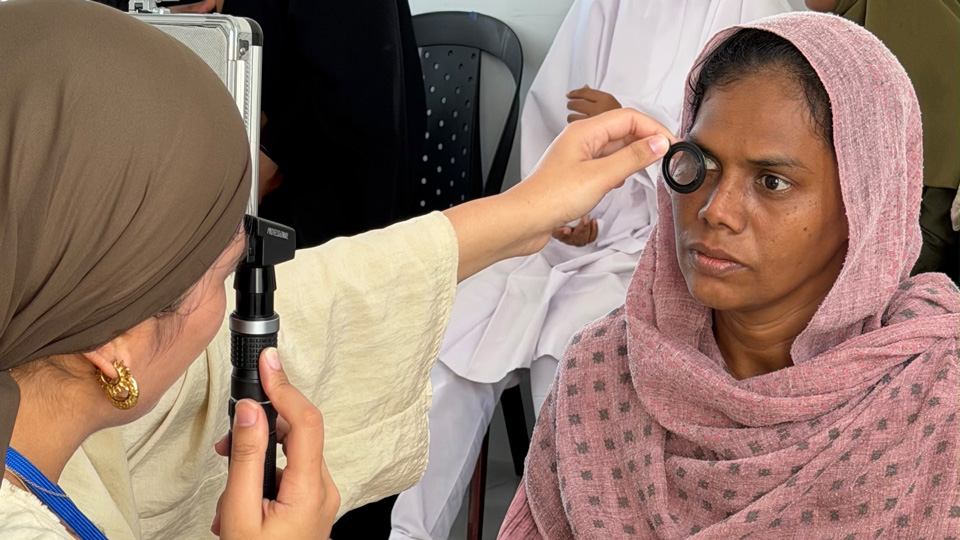
“I’m used to performing retinoscopy and working in a busy clinical environment, but this was a whole different ball game. Imagine trying to perform retinoscopy in bright conditions, 30-degree heat, with small pupils and a language barrier. It was definitely challenging,” she said.
However, she highlighted: “It was incredibly rewarding. It pushed me outside my comfort zone clinically and reminded me how important it is to be adaptable when working in unfamiliar settings.”
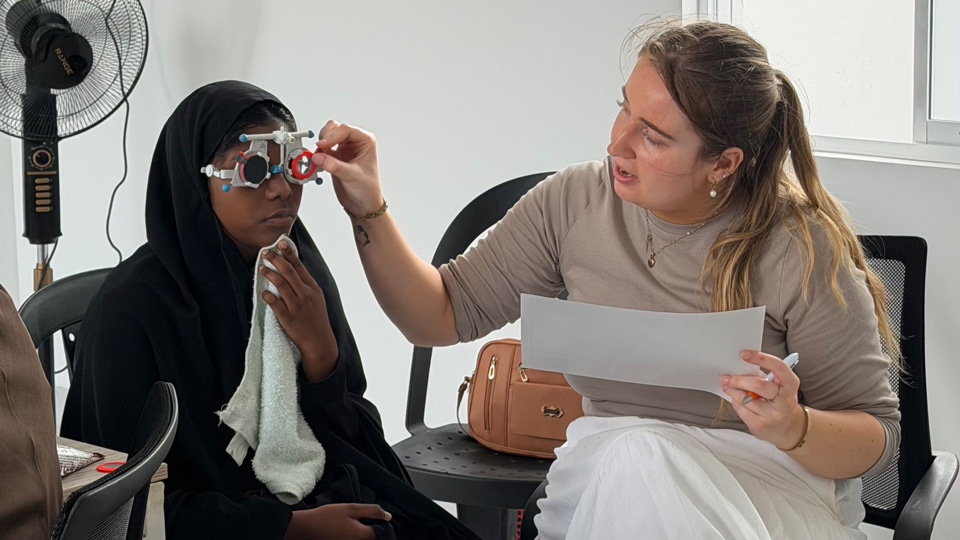
During the clinics, Yas was involved in performing refractions and assessing patients’ ocular health with direct and indirect ophthalmoscopy.
The team made use of the resources available, including the slit lamps and Lumio devices.
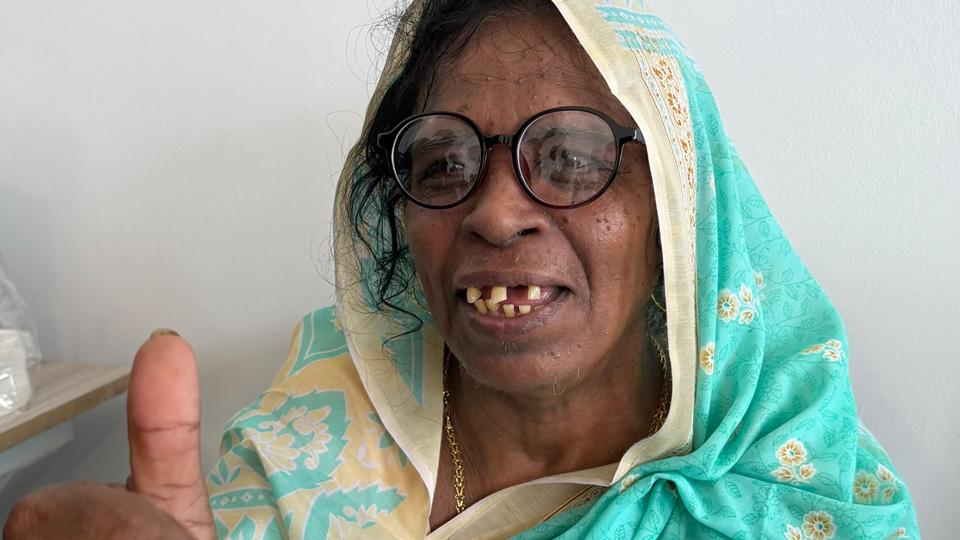
Describing the kinds of patients who visited the clinic, Yas said: “One of the most memorable moments was seeing an older lady go from hand movements to 6/6 with some trial lenses. She audibly gasped and immediately started hugging me – that moment reminded me of why I chose optometry in the first place.”
“To me, I was just putting lenses in front of her, but for her she was seeing clearly for the first time in a long time. It’s so easy to take the things we do in everyday practice for granted,” Yas said.
Being a part of the deployment brought Yas perspective, she said: “We often focus on the clinical side of what we do, but this experience reminded me of the impact good vision can make on someone’s quality of life.”
Yas reflected: “The experience was very different from my normal working day, working efficiently to ensure a good number of patients were seen, adapting to the environment and communicating as effectively as possible despite language barriers.”
Although conditions could be challenging, she said: “It’s something I would do again in a heartbeat.”
“Not just for helping patients, but the friendships I made during the trip – including the optometrists as well as the local translators,” she said.


Comments (0)
You must be logged in to join the discussion. Log in