


28 December 2025
With our evenings pitched into the darkness of chill winter nights, this time of year reminds us of, one might argue, some of the most well-known and well-loved stories.
How many of us can quote the first few lines of ‘Twas the night before Christmas, or have been struck with a thrill by the tale of those three ghosts on a mission to teach Scrooge some festive spirit? Even New Year resolutions can be a story we tell ourselves of the kinds of people we want to be.
December is a rich time for storytelling, and one of the joys of journalism is the opportunity to hear, and share, so many stories.
To mark the end of 2025, the OT team has taken a look back at some of their personal top stories from the year that has passed.
Emily McCormick, OT editor, selected:
Domiciliary urgent eye care in Wales
This article is a key read as it reinforces optometry’s role as the first point of contact for eye health, demonstrates the importance of patient-centred and equitable access to eye care, and highlights how Wales’ successful eye care service reforms are improving access to urgent eye care.
Read OT’s In focus article on domiciliary urgent eye care in Wales, here.
Laurence Derbyshire, OT video production editor selected:
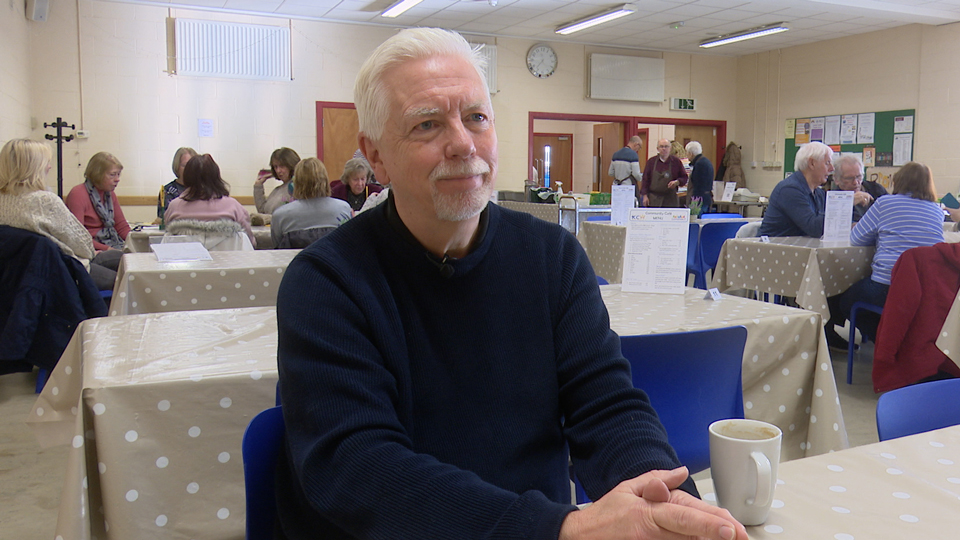
Professor David Thomson on volunteering at a community cafe
Sometimes you meet someone you have known for many years in a new setting, and it gives you a new perspective on their lives. In this case, it was an eminent professor who I have spoken to on many occasions: David Thompson, who takes time out of his busy schedule to help his local community. It was very touching to see how much time and effort he put into maintaining a community cafe for his local community.
Selina Powell, OT features editor, selected:
Major road safety shakeup could see mandatory sight tests for over 70s
The news that vision standards for driving could evolve to require mandatory sight tests for drivers over 70s was a milestone moment – representing a significant shift in policy that could have a tangible effect for AOP members. This story also illustrates how a long-term AOP campaign – Don’t Swerve a Sight Test – can result in not just enhanced public awareness of an issue but political action.
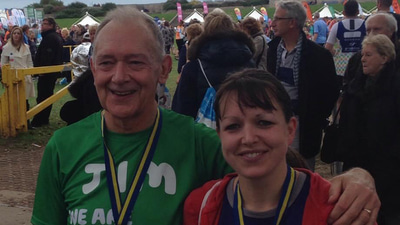
I valued their candour in speaking about this important issue – and creating momentum for change to protect other families from going through what they have experienced.
Read the article for more on this story and the reactions to the proposals.
Lucy Miller, OT deputy editor, selected:
Institute of Optometry patient database taken over by Crofton Park Opticians
In a year dominated by sometimes hopeful (and sometimes cynical) conversations about the place of eye care in the Government's 10-Year Health Plan, it might’ve been hard for other news to cut through the noise. However, my pick for 2025 doesn’t come from the lofty world of external affairs, but from slightly closer to home.
In March, Southwark Council in South London announced that it would demolish the 103-year-old Institute of Optometry to make way for a “mixed-use” development made up predominantly of flats. Later, it was confirmed that the Institute would not relocate, and would be closed for good as of August.
In October, OT reported how the Institute's database had been taken over by local independent, Crofton Park Opticians. The end of an era, and an example of the relentless passage of time in a year where many questions about the future of primary care are being asked.
Leah Boyle, OT web content and social media manager, selected:
An optometrist saved my life with Mahnoor Khan
I was familiar with Manhoor’s Instagram page, @miss.optomistic, from when she was a pre-reg optometrist, as she regularly engaged with OT’s content. In early 2025, I was intrigued to receive a DM from her asking if she could share a story for our feature series, An optometrist saved my life. The patient case she described was potentially life-threatening, but even more striking was that it involved her own brother. It was impressive to see how confidently and professionally she handled identifying something so serious early in her career and in a family member.
Equally inspiring was the support she received from her peers when we shared her story on OT’s Instagram. For me, this story highlights the impact optometrists can have, even early in their careers, and the courage it takes to share a personal experience that can educate and inspire others.
Find Mahnoor’s story, along with the full An optometrist saved my life feature series, here.
Kimberley Young, OT content editor, selected:
Device enables reading vision in patients with geographic atrophy
In autumn this year, one tiny chip made major headlines – for good reason. This chip was at the centre of a clinical trial for an electronic eye implant, the PRIMA System, which found that the device supported meaningful central vision in study participants with geographic atrophy.
OT was fortunate enough to meet Mahi Muqit, consultant vitreoretinal surgeon at Moorfields Eye Hospital, who told us about the trial, the technology, and how patients have responded – speaking poignantly of the hope that devices like this can offer patients with advanced geographic atrophy.


Comments (0)
You must be logged in to join the discussion. Log in