


22 December 2025
It is as much an institution of the festive season as debates over Christmas tree décor and puzzling over the best way to use leftovers.
The days that lead into a New Year often prompt a period of self-reflection – as the wrapping paper is cleared away, practitioners may look back at the past year and consider what lessons they will take forward.
In this feature, OT shares insight from optical professionals on the meaningful moments, professional milestones and key lessons that shaped 2025.
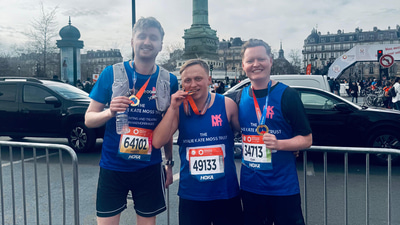
Name: Joe Higham
Role: optometrist and co-director at Suzanne Dennis Optometrists
Was there a moment with a patient this year that reminded you why you work as an optometrist?
Several moments stood out for me this year. One was fitting a specialist RGP lens for a keratoconus corneal graft patient who had relied on the same hospital-provided lenses for years and could no longer achieve legal driving vision. Being able to fit her with a customised lens that brought her close to 6/6 and restored her confidence was incredibly rewarding.
Another memorable case involved a patient suffering significant visual stress similar to Mears Irlen syndrome following a road traffic accident. Conducting a full colourimetry assessment and prescribing Cerium lenses provided him with relief and improved his quality of life.
A further highlight was collaborating with a private ophthalmology clinic to complete enhanced glaucoma assessments using our newest imaging technology. Being trusted to support more complex cases reinforced the high standard of care and equipment we have and provide.
What new opportunity or experience helped you grow as a clinician this year?
Independent Prescribing was a major source of growth for me this year. Although I’ve held the qualification for some time, 2025 was when I used it most actively. Managing conditions such as pre-septal cellulitis in clinic not only built my confidence but improved our ability to provide prompt, effective care.
What lesson from 2025 will you carry forward into the new year?
The key lesson is to remain unwaveringly patient-focused, continue investing in the very best technology, and strive to stay at the forefront of clinical eye care.
In addition, we are committed to ensuring that our team feel valued, heard, and supported. Our business has always been built on time, care, and a genuine desire to help, and we believe that this mindset must extend equally to staff and patients.
It is also why we are so committed to charity and giving back. We want to serve and support the people who place their trust in us. We aim to make a positive difference in our community wherever we can.

How optometry practice teams stepped up for their communities in 2025
Fundraising events in 2025 have seen practice teams from Northern Ireland to London supporting local causes
Name: Zach Cairns
Role: specialist optometrist and owner of Cairns & Co
What was your standout professional milestone of 2025, and why did it feel significant?
Opening my new practice in Dubai has been the standout milestone of the year. I knew the process would be challenging, but I did not appreciate just how much personal and professional growth it would require. Building a clinic from the ground up forced me to develop skills outside the consulting room, from accounting and branding to patient experience. Seeing the clinic come together has been incredibly rewarding and has reshaped the way I think about optometry.
Was there a moment with a patient this year that reminded you why you work as an optometrist?
Specialising in advanced contact lenses has brought many memorable moments, but one that truly stands out is a teenager with bilateral aphakia. His goal was simple but life changing: to achieve the level of stable vision required to apply for his driving licence. After fitting him with custom lenses that finally provided the clarity he needed, he is now able to begin his driving lessons. A powerful reminder of why I love this profession. Patients are now travelling from across the Middle East and Asia in search of non-surgical options, and being trusted as that final step of hope before surgery is a privilege I value deeply
Is there one person, qualification, piece of education, tool or product that has made a difference to the way you practise?
The video slit lamp has transformed the way I communicate with patients. Being able to show photographs and videos of their ocular surface has significantly improved understanding and compliance. It turns the consultation into a two-way conversation and, for children in particular, it turns the examination into something fun.

Postcard from… Dubai
Specialist optometrist, Zach Cairns, tells OT about establishing his own independent optometry practice within the United Arab Emirates
What new opportunity or experience helped you grow as a clinician this year?
Working as a solo optometrist after many years in hospital settings alongside consultants has been a major shift. It has pushed me to rely on my own judgement, refine my clinical pathways and build confidence in my decision making. It has reminded me that growth often happens when you step away from the familiar.
What lesson from 2025 will you carry forward into the new year?
The strongest lesson this year has been the value of personalised eye care. Patients are not only looking for accurate prescriptions and attractive frames but for an optometrist who genuinely understands them. Personal follow ups, tailored lifestyle recommendations and clear communication build trust not only in you as a clinician but in the profession as a whole.
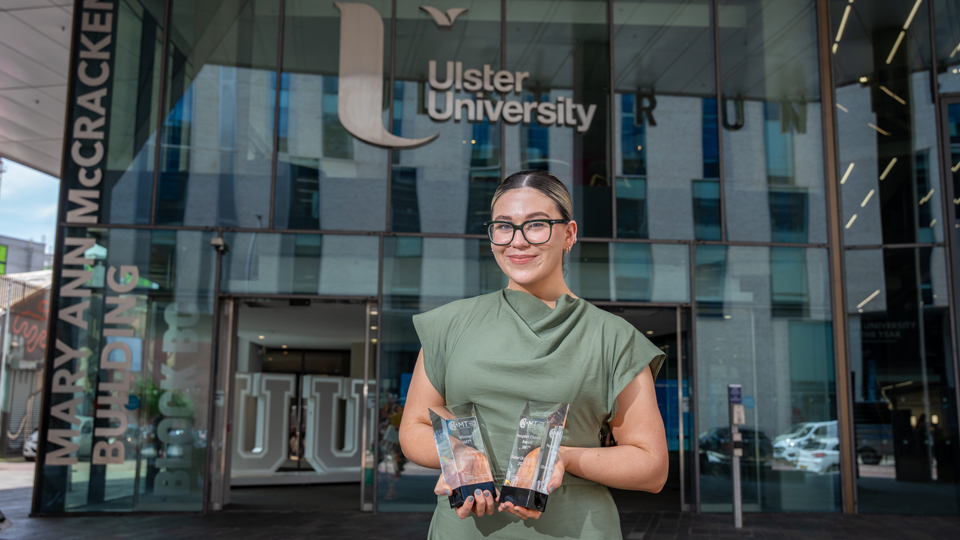
Name: Caitlin Campbell
Role: Optometrist and Ulster University PhD researcher
What was your standout professional milestone of 2025, and why did it feel significant?
This year, I was a UK national finalist in the Three Minute Thesis competition, where I shared my PhD research on improving glaucoma detection in myopia. Communicating my research so that it connected with my family, friends, and the wider public, allowed me to reflect on the value of my work and reinforced how impactful research can be when shared in a meaningful way, reminding me why I chose to be a researcher.
Was there a moment with a patient this year that reminded you why you work as an optometrist?
Working as a locum optometrist, I examined a patient with deep corneal abrasion and conjunctival laceration following a foreign body injury. Through the Northern Ireland Primary Eyecare Assessment and Referral Service (NIPEARS), the patient was examined, referred to eye casualty, and treated by ophthalmology all within an afternoon. Seeing how quickly the patient accessed the care they needed reinforced the value of community optometrists in supporting timely care in urgent and emergency situations and reminded me why I am proud to be one.
The key lesson is to remain unwaveringly patient-focused, continue investing in the very best technology, and strive to stay at the forefront of clinical eye care
Is there one person, qualification, piece of education, tool, product, that has made a difference to the way you practice?
This year, I completed The College of Optometrists professional certificate in low vision. This qualification gave me the knowledge and confidence to develop as an independent low vision clinician. I now proactively integrate specialist functional assessments and holistic care principles from my low vision training into all patient encounters, within both locum and research work.
What new opportunity or experience helped you grow as a clinician this year?
This year I attended several optometry and ophthalmology research conferences which supported my growth as a clinician. At conferences I engaged with the latest research and developments in diagnostics, treatments, and technology, such as the expanding application of AI. This exposure strengthened my ability to provide up-to-date, evidence-based advice to my patients and consider new research as part of my decision making.
What lesson from 2025 will you carry forward into the new year?
This year I have learned how powerful effective communication can be for creating positive impact, whether explaining complex research methods, supporting patients with visual impairment, or discussing treatment options. Next year, I’ll continue focussing on prioritising meaningful and open conversation, knowing this can make a real difference in patient care.

Ulster University optometrist in the final of three-minute thesis competition
Caitlín Campbell has refined her PhD thesis down to the duration of an elevator journey
Name: Nick Black
Role: chief executive of BBR Optometry and contact lens optician
What was your standout professional milestone of 2025, and why did it feel significant?
Having navigated a successful transition of ownership/retirement and dynamic within a large independent practice of a globally respected optometrist, and seamless introduction of a new group of leaders, without the practice skipping a beat. Some practices are built on individuals, but at BBR Optometry the business is bigger than any one of us, so despite the retirement the practice is flourishing.
Was there a moment with a patient this year that reminded you why you do your work?
I have a regular patient who is seen under the Cardiff University specialist clinic for Down syndrome who asks to see me. She bounces in with her new prescription, so excited to choose her new specs. One of those personalities that brightens any day and makes you love what you do.

Who is faster? An optometrist or a horse?
IP optometrist, Laura Williams, and dispensing optician, Nick Black, took part in an annual race that pits runners against horses
Is there one person, qualification, piece of education, tool, product, that has made a difference to the way you practice?
The one person is Nicholas Rumney. Having worked alongside him for nearly 25 years, he has ingrained many aspects of business and clinical excellence that underpin how I work and the standards I am prepared to accept for myself and in colleagues.
What new opportunity or experience helped you grow professionally this year?
The opportunity to embrace new shareholders into our business, share and evolve our joint differences and aspirations for the future. We find our greatest growth is in our personal stretch areas, so working with a talented group of individuals who have sometimes quite different views has been refreshing, exciting and rewarding.
What lesson from 2025 will you carry forward into the new year?
Continue looking for the best in the people around you – they are mostly amazing. The media and world have a very negative tone at present – don’t let it get you or suck you in.
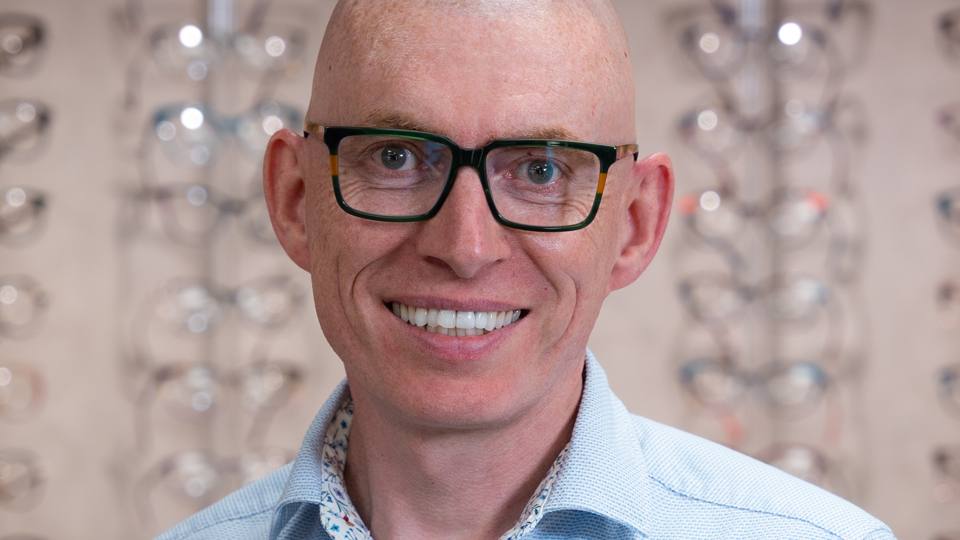
Name: John Broderick
Role: senior optometrist and director at Fitzsimons Opticians
What was your standout professional milestone of 2025, and why did it feel significant?
Since taking over my independent practice from the previous owner, I now have access to an OCT machine, which is an incredible piece of technology. While I understood much of what I was observing in the results from previous training sessions, I wanted to deepen my knowledge of the conditions I might encounter. This prompted me to enrol on additional professional qualifications that explored ocular conditions in far greater detail, including their diagnosis and treatment.
In June, I sat for and passed my professional certificate in medical retina. It was a challenging but fascinating qualification and ultimately a very rewarding achievement. I now have a much deeper understanding of a wide range of conditions and a far greater ability to interpret imaging results for my patients, enabling me to provide more thorough and timely examinations. This new qualification also complements my professional certificate in glaucoma, which I completed a few years ago.
Was there a moment with a patient this year that reminded you why you work as an optometrist?
I consider myself very fortunate to work in a profession that brings together my interest in science and medicine with my enjoyment of spending time with a diverse range of people. Every day is different and carries its own challenges. A few months ago, I received a call from a lady wanting to book an eye test for her son. He had always been under the care of the hospital eye service due to his complex prescription and because he has autism and ADHD, which can make new environments difficult for him. Now at an age where hospital staff felt he should be discharged to community care, his mum was understandably apprehensive.
I reassured her that I would take his needs into careful consideration and do everything I could to help him feel at ease. On the day of the appointment, he arrived shy and tense, but as I spent time chatting with him and his mother at his level, he gradually relaxed. I was able to complete a full assessment of his vision and eye health. At the end of the appointment, he proudly introduced me to his favourite toys – Buzz Lightyear and Woody – before giving me a hug. His mum was delighted that he had been so comfortable, especially as hospital appointments had often been stressful.
Providing good care every day is rewarding, but moments like this truly remind me why I love being an optometrist.
The biggest lesson I’m carrying forward? Before we became optometrists, we were people, and the best clinicians are those who invest in who they are, not just what they know
Is there one person, qualification, piece of education, tool or product that has made a difference to the way you practise?
As someone who has experienced dry eye symptoms for decades, my empathy for patients with similar concerns has fuelled a strong interest in this area. I have often found myself spending extra time discussing dry eye management strategies with patients. Recent developments in assessment and treatment options – such as ZEST and Nulids – have made it possible to offer far more comprehensive care outside of specialist clinics.
This led me to establish a dedicated dry eye clinic within my practice. With the introduction of tools such as meibography, I can now diagnose the underlying causes of dry eye far more accurately and offer more effective management than was possible with standard over-the-counter remedies. Even in the short time since launching the clinic, I have received fantastic feedback from patients who say their eyes haven’t felt this good in years.
Advances in research and technology mean that a visit to the local optometrist today is a very different experience from what it was when I first qualified – and I’m proud to offer these improved services to my patients.
The biggest lesson I’m carrying forward? Before we became optometrists, we were people, and the best clinicians are those who invest in who they are, not just what they know
What new opportunity or experience helped you grow as a clinician this year?
Optometry is constantly evolving as new research expands our understanding of eye conditions and how best to manage them. As registered professionals, optometrists must regularly participate in Continuing Professional Development, and I am always keen to explore courses that enhance my clinical skills.
One important area of our work is managing acute eye issues and injuries. Previously, patients with minor emergencies such as corneal foreign bodies would have been sent directly to eye casualty, but increasing pressure on the health service means these patients are now frequently referred to community optometrists on the emergency scheme—of which I am proud to be part.
This year, I attended several ophthalmologist-led courses offering hands-on workshops where optometrists could practise minor procedures using specialist tools and techniques. These sessions have been invaluable in building confidence and refining the skills needed to deliver these procedures safely in practice. They also help reduce hospital visits for patients, saving them long travel times and waiting lists. Gaining these skills has been one of the most rewarding aspects of my professional development this year.
What lesson from 2025 will you carry forward into the new year?
I have been reminded that it is never too late to continue learning. Furthering my education has a direct and meaningful impact on the diagnosis and management of many conditions I see daily. While ongoing training can be challenging, it is essential to providing the highest standard of care.
Participating in practical workshops has boosted my confidence and enhanced my ability to offer fast, effective support for patients with acute needs. Taking the time to understand my patients as individuals and adapt appointments accordingly not only improves their experience but is deeply rewarding for me as a clinician. This is a lesson I will prioritise as I continue to grow and evolve in my practice.
A year in practice at Suzanne Dennis Optometrists
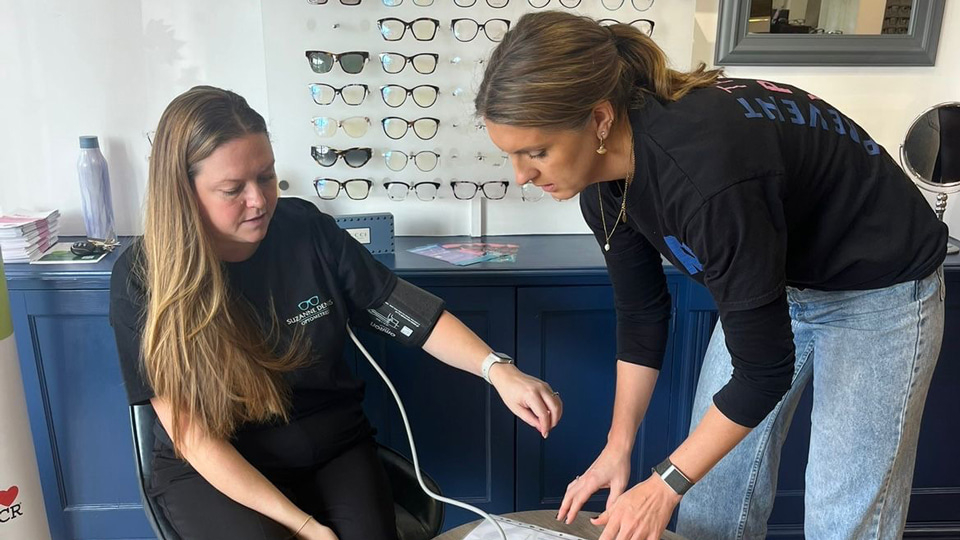
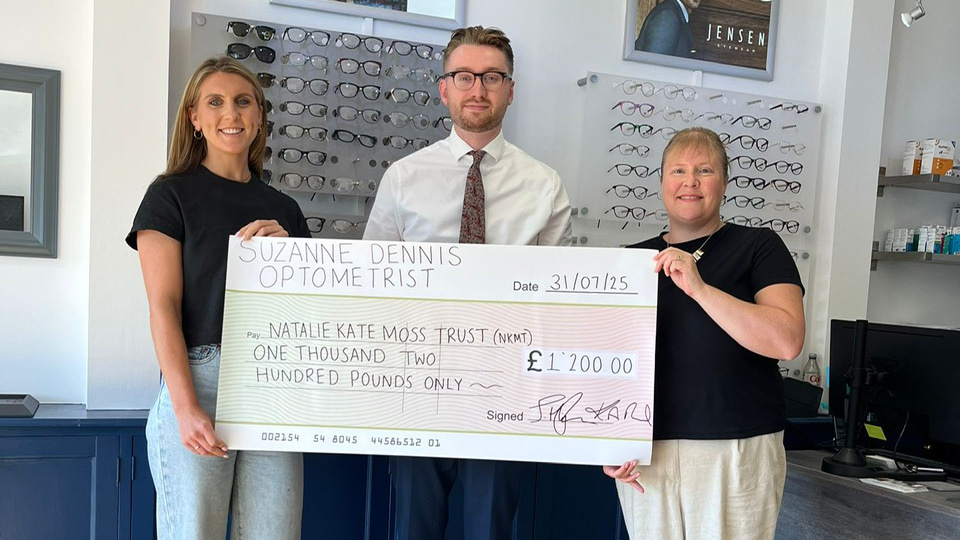
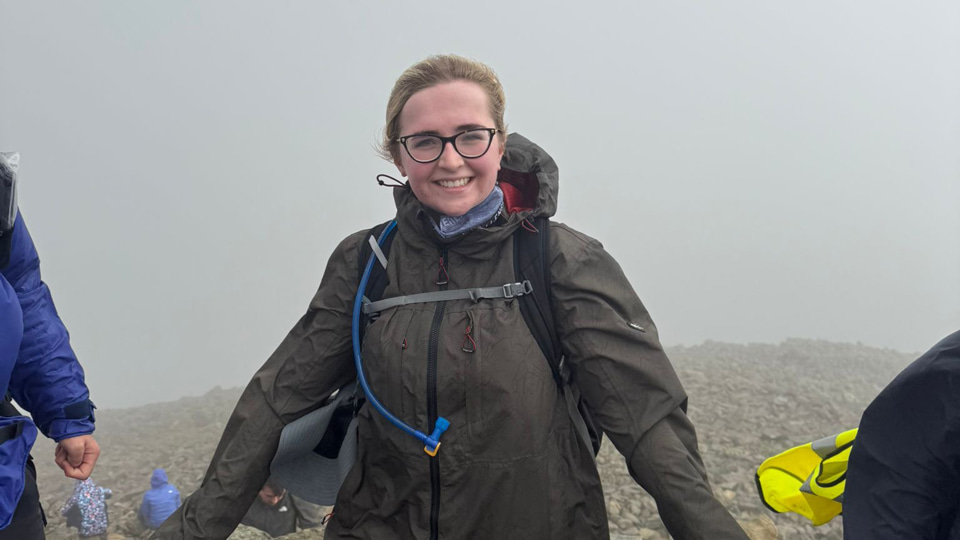
Name: Kelly Reed
Role: co-director and optometrist at Suzanne Dennis Optometrists
Was there a moment with a patient this year that reminded you why you work as an optometrist?
As one of the orthokeratology specialists within our clinics, I’ve had numerous moments that reaffirm my passion for this profession. Working closely with No7, I’ve helped many patients achieve clear unaided vision throughout the day with ortho-k lenses.
But the most fulfilling aspect has been using ortho-k as a myopia control treatment for children. Knowing that you are not only improving a child’s vision now, but also potentially protecting their future eye health is something I find deeply meaningful.
Another profound moment this year involved an emergency walk-in. A gentleman had become unusually clumsy, and his wife noticed he was bumping into objects on one side. After assessing him, I quickly recognised signs consistent with a stroke and ensured he received urgent medical attention. The heartfelt gratitude from him and his family reminded me exactly why we do this job.
What new opportunity or experience helped you grow as a clinician this year?
For me, the biggest opportunity was being able to work closely with our team to share knowledge and help others develop. Training colleagues on equipment such as the MYAH and supporting them in understanding and applying ortho-k principles has been incredibly rewarding. Creating a workplace where clinicians feel supported, stimulated, and excited to grow has been one of the highlights of my year.
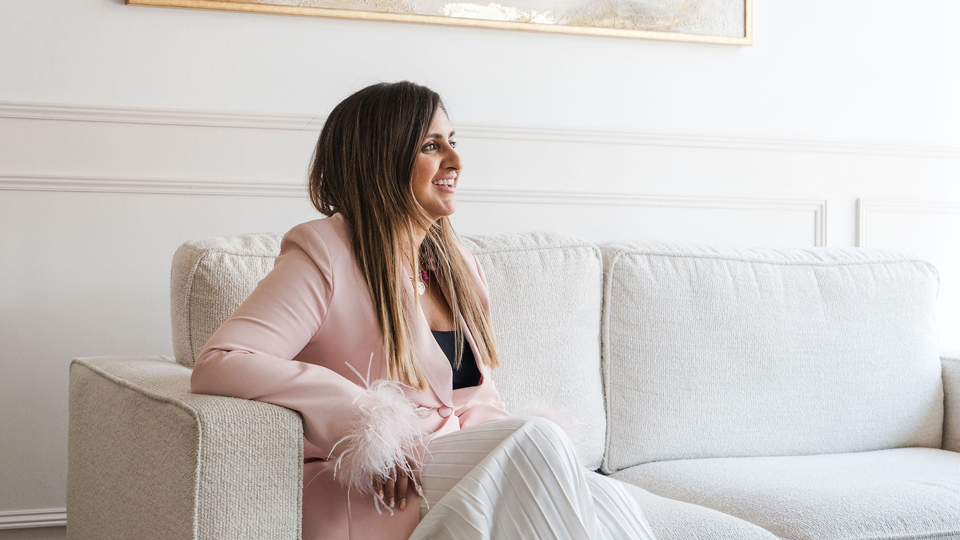
Name: Dr Pretty Basra
Role: optometrist and practice director at Edwards & Walker Opticians
What was your standout professional milestone of 2025, and why did it feel significant?
2025 has been a defining year, not because everything went smoothly, but because it stretched me in ways I didn’t even know were possible.
My standout milestone was launching my Optical Mastery Programmes and the Mental Fitness Academy for optometrists. For years, I’ve seen talented colleagues struggle — not because of clinical gaps, but because we don’t teach resilience, emotional intelligence, or business acumen in our profession. Building a space to develop the person behind the clinician felt transformative. It was also a year of stepping into unexpected partnerships, collaborating with a brand I admired long before I ever imagined I’d work with them. It was a pinch-me moment that reminded me how far bold ideas can travel.
Was there a moment with a patient this year that reminded you why you work as an optometrist?
I felt most grounded in why I do what I do when I was in a consulting room with a woman celebrating her 70th birthday after surviving cancer. We laughed, we cried, and she thanked me for “seeing her,” not just her eyes. In that moment, it was crystal clear — an eye test is rarely just an eye test; it’s human connection, reassurance, presence.
What new opportunity or experience helped you grow as a clinician this year?
Clinically, the MECS qualification has continued to shape my practice profoundly. Removing foreign bodies, managing emergencies, and using skills that might otherwise be limited to secondary care reminds me how much High Street optometry contributes to the wider system when we’re empowered to use our training fully.
What lesson from 2025 will you carry forward into the new year?
This year also pushed me into spaces I never planned for — speaking on panels, hosting workshops, taking stages like 100% Optical, and sharing work on neuroscience, and resilience. Growing as a speaker changed me as a clinician; it sharpened how I communicate, reflect, and lead.
The biggest lesson I’m carrying forward? Before we became optometrists, we were people, and the best clinicians are those who invest in who they are, not just what they know.
If 2025 taught me anything, it’s that our profession is shifting. Clinical excellence matters, but so does mental fitness, self-leadership, and the courage to evolve. That’s the lens I will be taking into 2026 — clearer, more compassionate, and committed to helping our profession grow from the inside out.

Step on up
As the proportion of women working within optics increases, OT talks with women in leadership roles – from practice ownership to academia


Comments (0)
You must be logged in to join the discussion. Log in