


12 December 2025
Glaucoma, myopia, optical coherence tomography, practising safely, wellbeing – key themes have emerged through the education programme of 100% Optical 2026.
Lecture: Virtual insanity
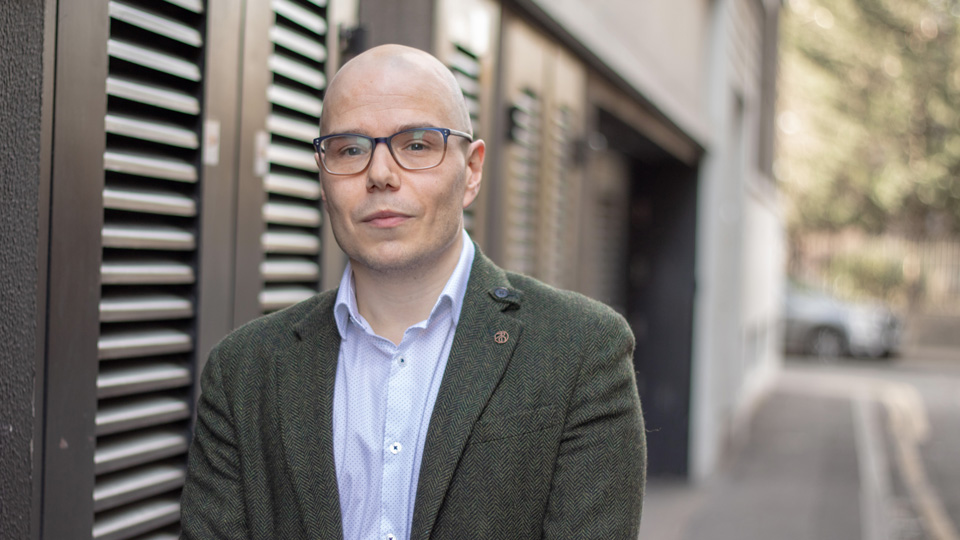
The AOP’s clinical and policy director, Dr Peter Hampson, and head of clinical negligence, Efa Schmidt, will launch the programme of education with a lecture: Virtual insanity.
The Main Stage lecture on 28 February at 9.15 will consider how the growing amount of data and image acquisition in optometry effects how information is assessed, the risks involved, and the importance of applying clinical judgement to findings.
Drawing from AOP case files, the duo will look at where things can go wrong and how this could have been avoided.
Hampson said: “In a world of ever-increasing technology, greater information, and the ability to assess patients in new and innovative ways, we will emphasise the importance of maintaining core clinical skills to assess and interpret all of the information.”
Discussion workshop: Prevention and survival of the dreaded solicitor’s letter

On 28 February in the Optical Academy at 10.30am, Professor Bruce Evans, optometrist and professor at City St George’s University of London, will host a discussion workshop on minimising the risks of being the subject of a clinico-legal case.
Evans shared: “In our increasingly litigious society, one of the most stressful scenarios for a healthcare professional is receiving notification of a clinico-legal complaint against them.”
A complaint might be civil litigation – being sued – or a General Optical Council fitness to practise investigation.
The presentation will cover both, considering the likelihood of such a case, the practitioners who are most at risk, and examples of commonly-encountered cases, Evans shared, such as glaucoma, retinal detachment, keratoconus, tumours, and amblyopia.
“The talk will emphasise simple steps that practitioners can take to minimise the risk of being the subject of a clinico-legal case,” Evans said.
The presentation will outline the typical process for cases, along with advice on copying with the situation and: “how to emerge from the process as a better clinician.”
Lecture: 100% growth opportunity – converting complainers to practice advocates
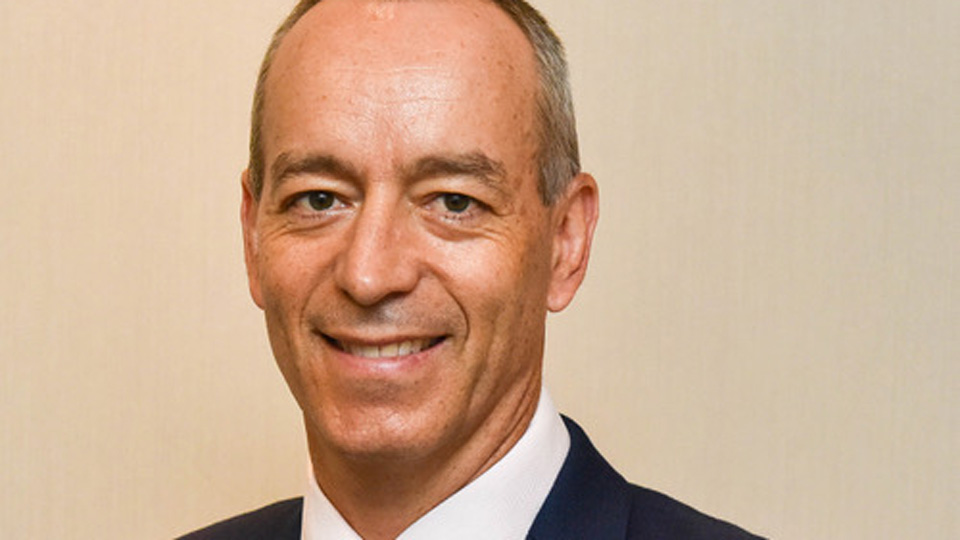
Paul Chapman-Hatchett, clinical advisor of the Optical Consumer Complaints Service (OCCS) will lead a lecture on the Main Stage on 2 March at 9.15am, designed to empower optical professionals in handling clinical complaints with confidence, empathy, and professionalism.
Through real case studies, attendees will explore how to turn challenging situations in opportunities for growth, learning, and customer loyalty. Delegates will also understand the evolving nature of complaints, the importance of insight and accountability, and how to work effectively with the OCCS and the General Optical Council.
Chapman-Hatchett shared with OT that through the session attendees will gain tools to communicate with empathy and clarity, manage complaints constructively within a team, build trust through the ‘Service Recovery Paradox,’ and create a culture of proactive care and continuous improvement.
“Whether you’re a seasoned practitioner or new to leadership, this session offers valuable insights and action planning to elevate your practice and patient experience,” he said, adding: “Let’s turn grievances into gratitude. Be part of the conversation that transforms care.”
Lecture: Remediation in fitness to practise proceedings – is it worth it?

Barrister, Eleanor Curzon, will provide an overview of fitness to practise proceedings and the role that remediation can play in investigations in a session on the Main Stage on 2 March at 10.30am.
Curzon told OT: “In the session, I will expand delegates’ understanding of fitness to practise proceedings of the General Optical Council and explore the role of remediation within them. We will consider the various forms remediation can take, its value and the extent to which it can impact outcomes.”
“The prospect of facing such proceedings can be daunting, and it is hoped that by providing a clear overview of each stage of proceedings alongside practical guidance on remediation, the lecture will equip delegates with greater understanding and insight should they or their colleagues ever find themselves in such circumstances,” she added.
Visit the education programme to find more sessions dedicated to this topic, and more.


Comments (0)
You must be logged in to join the discussion. Log in