


05 December 2025
Collaboration for dolphin rehabilitation
Waterhaul has launched a new collaboration with Ric O’Barry’s Dolphin Project, through which it will recycle netting from the non-profit’s dolphin rehabilitation pens at Umah Lumba Centre in Indonesia into a limited-edition run of sustainable sunglasses.
The sunglasses are based on the brand’s ‘Fitzroy’ frame and feature Waterhaul’s Mineral Glass+ lenses. Each frame will combine reclaimed netting from the Dolphin Project with Waterhaul’s traceable marine plastic collected through ghost gear recovery across the UK.

Sales of the frames will generate a £50 donation to supporting the Dolphin Project’s mission to end dolphin captivity and promote marine mammal welfare worldwide.
Harry Dennis, Waterhaul founder, said: “This collaboration developed from our aligned missions in protecting marine life and a belief that collaborative solutions can deliver real impact.”
“Utilising our specialism in recycling marine plastics, we’ve created a limited run of unique sunglasses embodied with our shared impact and stories,” he said.
Contact lens recycling
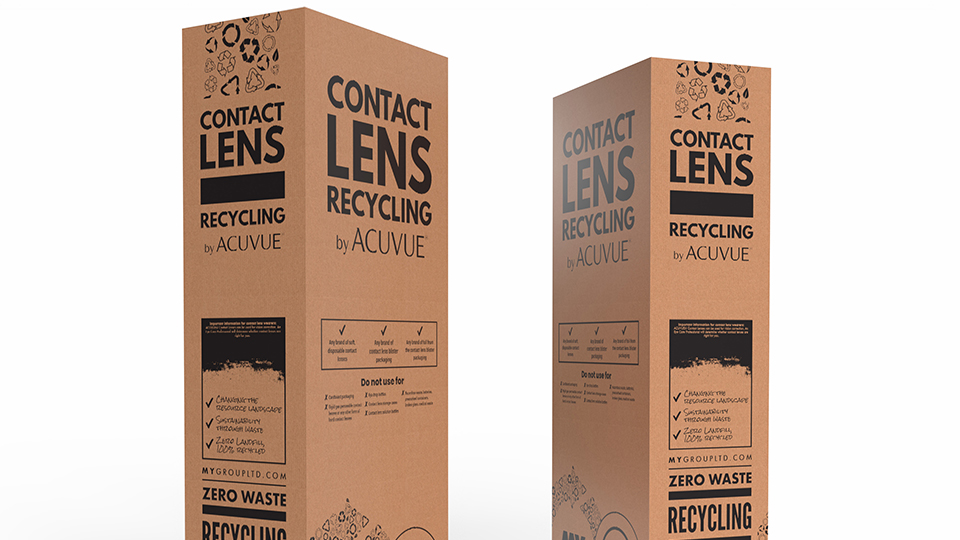
Johnson & Johnson has formed a new fulfilment arrangement with sustainable recycling specialists, MYGroup Ltd, for the Acuvue Contact Lens Recycling Programme. The initiative is suitable for all brands of soft contact lenses.
Through the Acuvue Contact Lens Recycling Programme, more than 18 million used contact lenses, blister packs and foils have been recycled using 1000 in-practice collection stations across the UK.
There are currently 1485 practices participating in the new scheme and approximately 500 additional practices have requested a box from the MyGroup partnership and will transition over once their boxes from the previous supplier are full.
Birds of Paradise
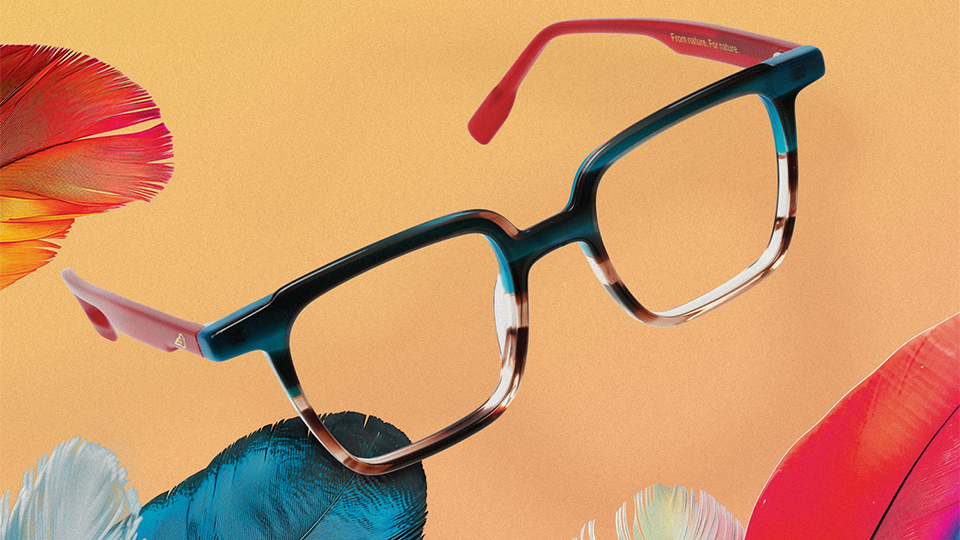
Bird Eyewear has launched its most vibrant range to-date with Birds of Paradise, with the brand suggesting each style represents “a small rebellion against dullness, beautifully made by hand.”
The capsule collection includes four styles in two colourways inspired by the colours of exotic birds.
The frames are made from Bird Eyewear’s plant-based bio-acetate, and the brand shared: “Birds of Paradise is a striking capsule collection that proves sustainability doesn’t mean staying dull. From rainforest hues to featherlight comfort, these frames were made for those who see beauty in boldness.”

Eco for kids
Dibble Optical has introduced the Eco Glass Collection from Flex Frames – combining eco-conscious design with durability for active kids.
The frames are made from planet-friendly materials, the company said, and support vision needs up to +28 available in multiple sizes.
The frames are BPA-free, phthalate-free, rubber-free and Proposition 65 compliant.
The company described the ‘Atlas’ frame as “designed to keep up with kids wherever they go.”
Barry Dibble, owner of the company said: “We wanted to offer eyewear that parents can trust and kids will love. The Eco Glass Collection is our way of making safety and sustainability stylish and accessible.”

Recycled aluminium
Eco Eyewear introduced a new recycled aluminium material to its range, describing it as “lightweight, durable, and distinctively modern.”
Colours in the collection range from Khaki Green and Matte Blue to Raspberry, and each frame is finished in a matte metallic coating.
Every frame has a magnetic sun clip-on, which is also made from recycled aluminium.
The brand spotlighted the ‘Aura’ frame which has a distinctive polygon shape for a soft geometric look.
Eco Eyewear is a carbon negative brand, offsetting more carbon emissions than its production creates. More than 3.8 million trees have been planted through the brand’s One Frame, One Tree programme.

Saving seagrass meadows
Atlantic Optical has evolved its partnership with the Ocean Conservation Trust to support the charity’s Mini Meadows initiative.
The distributor has supported the Ocean Conservation Trust’s Blue Meadows initiative through sales of its Big & Tall bioacetate collection since 2023. For every frame sold, Atlantic Optical makes a donation for the protection and restoration of seagrass in British waters.
To date, Atlantic Optical has made donations which have helped protect and restore 150m2 of seagrass.
The Ocean Conservation Trust has highlighted that seagrass is one of the most ecologically valuable and biodiverse habitats on the planet. As well as providing a habitat for marine animals, seagrass meadows help to purify the seas, prevent coastal erosion, provide protection from flooding, and capture and store carbon.

Reducing ocean-bound plastic
CooperVision released a new video showcasing its partnership with Plastic Bank, through which the company offsets a portion of its plastic footprint by funding the collection and recycling of ocean-bound plastic waste.
The video, Turning Plastic Into Purpose, is the latest in a series from CooperVision exploring the partnership.
The video shares the story of Asnaini, who took up plastic collection after losing her job and went on to build a team of collectors while supporting her family and funding her daughter’s education to become a pharmacist.
Aldo Zucaro, senior director, corporate responsibility, at CooperCompanies, commented: “Asnaini’s journey represents the heart of what our plastic neutrality initiative is all about. It’s not only helping to reduce ocean-bound plastic – we’re supporting people, families, and futures.”
Award-winning
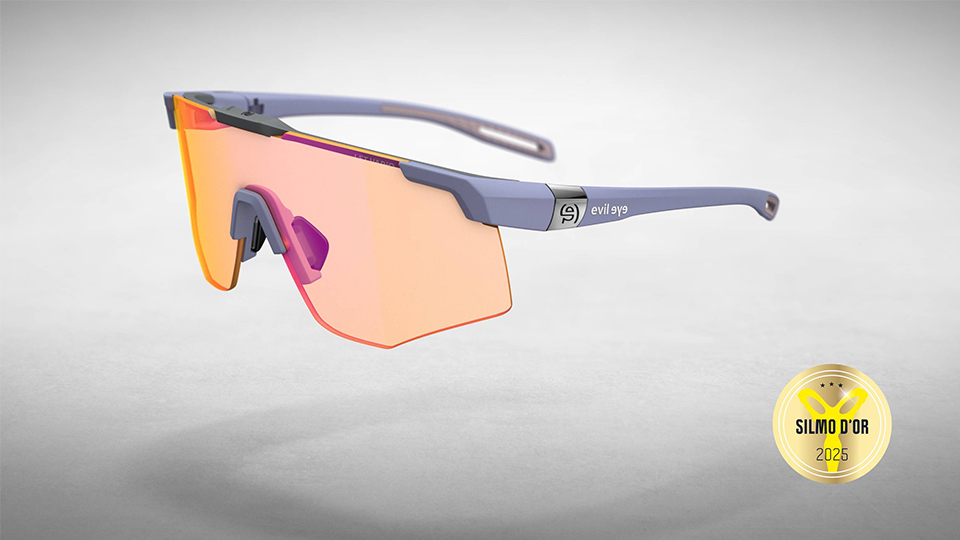
The sports eyewear brand, evil eye, claimed a Silmo d’Or Award 2026 for its ‘speedsense’ frame made from bio-circular material.
The brand won in the sports eyewear category, with a frame that evil eye suggests “combines high performance with environmental responsibility.”
The ‘speedsense’ is made from ECO PPX, which is derived from organic residues such as tree bark and straw and is free from fossil petroleum.
Eyewear with impact
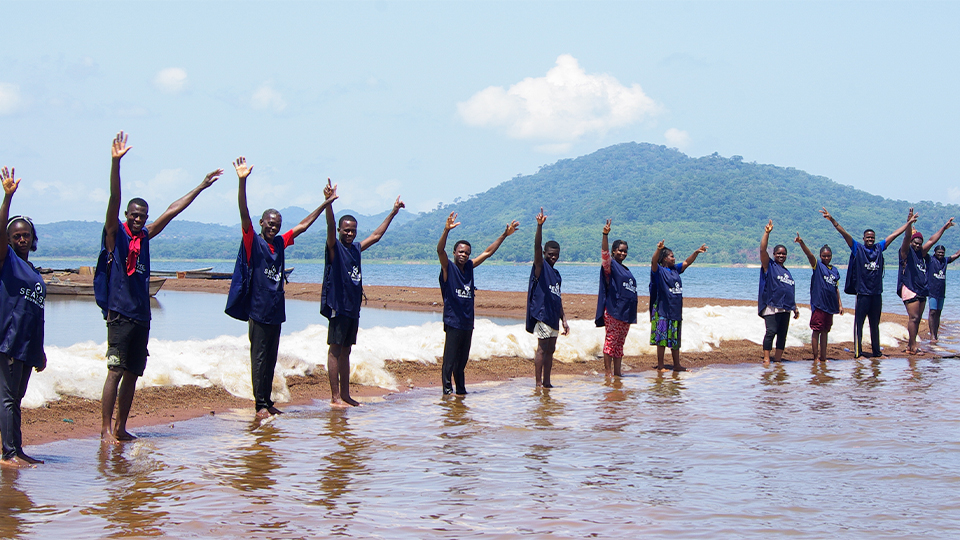
Sea2see has highlighted the work of its non-profit, the Sea2see Foundation, in Ghana. Founder, François van den Abeele, returned to meet the communities who collaborate with the organisation to remove discarded plastic from beaches and rivers in the region.
The founder visited a Sea2see collection hub at Lake Volta and Mpando, where discarded fishing nets are brought to be cleaned in preparation for recycling. A new Sea2see boat was launched during the trip, which is expected to increase the plastic recovery capacity of the foundation by 30%.
Van den Abeele explained that the foundation currently collects 200,000kg of plastic each year, adding: “This is set to continue with pace in 2026 as we open new collection hubs.”
The recycled material produced from plastic waste can be used in products like Sea2see eyewear.


Comments (0)
You must be logged in to join the discussion. Log in