


11 May 2026
Small actions taken throughout the day or that bracket our weeks can make a significant difference to our mindsets in our personal and working life.
This Mental Health Awareness Week (11–17 May 2026), the Mental Health Foundation is encouraging the public to embrace the theme of ‘Action.’
The charity is highlighting the importance of taking positive action “for yourself, for someone else, for all of us.”
From time spent outdoors, to mentorship and mindsets, practitioners shared the actions they take through the week to support their individual wellbeing.
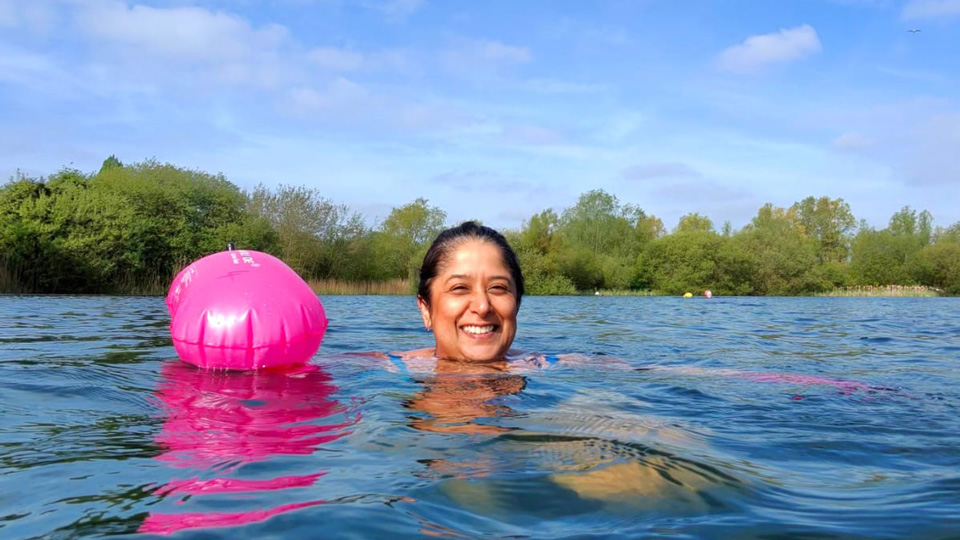
Open water swimming for tranquillity
Kavita Kathuria, highly specialist optometrist at the East and North Hertfordshire Teaching NHS Trust
“When a friend suggested I join her on an open water swim in a local lake, my initial reaction was: ‘You must be joking.’ But the more she spoke about it, the more I wanted to give it a try.
“I agreed to join her, thinking it would be a one-off. Nothing could have prepared me for the feeling of calm and tranquillity that came following the swim. The physical benefits are well known – the cold water calms down inflammation in the body and boosts circulation meaning that any aches and pains can disappear.
“As optometrists, we often take on our patients’ stress, but when you are swimming in nature, any worries are washed away. I love looking at the blue water, the green trees on the sides of the lake, and the blue sky above. The combination of the cold water and being immersed in nature results in a feeling of serenity, unachievable anywhere else.
“If you have the chance to go open water swimming, I highly recommend it – but be warned, it is addictive.”
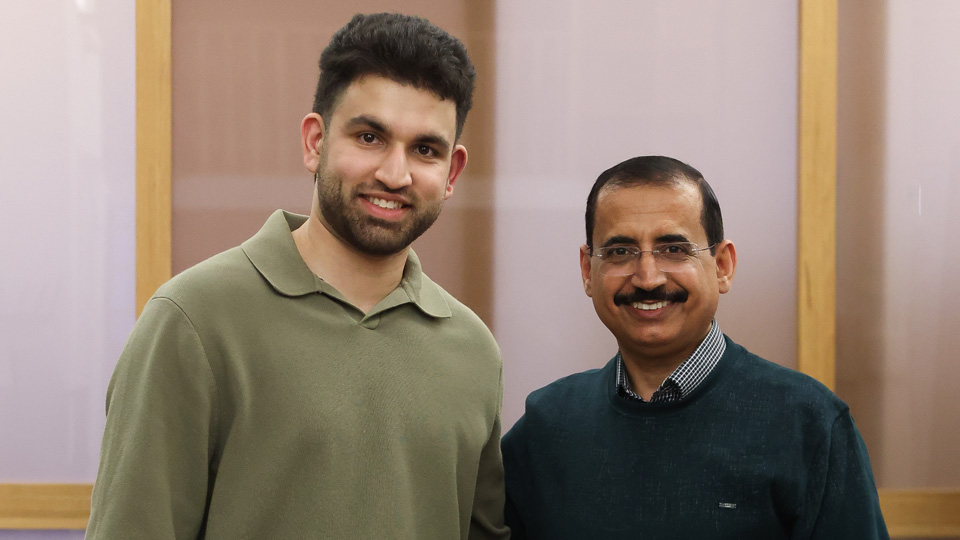
Co-work spaces and mentorship to counter loneliness and disconnect
Umar Vania, operations director and optometrist at domiciliary provider, SightWatcher – Mobile Opticians
“Running a business and working in domiciliary can sometimes feel like a lonely place. This feeling may also resonate with community optometrists – notwithstanding the patient sitting in front of you – the test room is often the quietest place in optical practice.
“I have prioritised two actions to help me stay anchored to my team and the wider community. Every Friday, I meet with Dr Saleh Al-Akily, SightWatcher’s founder and managing director. His mentorship and guidance has proven invaluable; having that outside perspective helps me navigate challenges with clarity.
“Additionally, I recently joined Hulm Club, a Muslim-friendly co-work space in London. I intentionally schedule my admin work here, which allows me to feel connected to a community despite my mobile role. In an increasingly disconnected world, lived vicariously through social media, real-life interaction continues to be vital to mental wellbeing.”
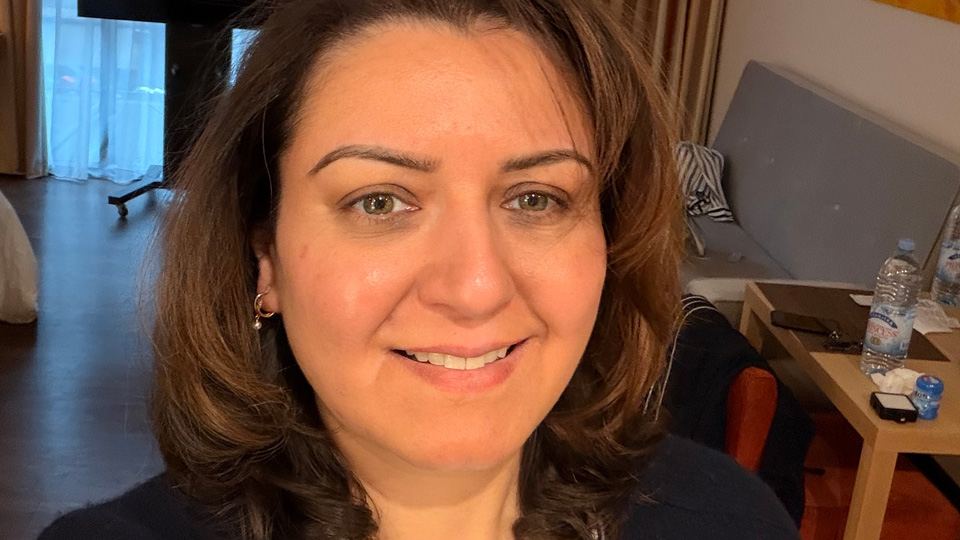
Time outdoors, resetting, and admin for a clear mind
Raina Malik, optometrist and leadership coach
“As optometrists – and for me, also as a coach – our work is deeply people-facing. We spend the day listening, observing, explaining, and being fully present. Because of that, it’s critical for our own wellbeing to have moments of solitude, where the mind, body, and soul, can truly recharge.
“Sunday holds my most important reset ritual – a long walk to a breakfast spot. It’s my ‘mini marathon,’ usually hitting 20,000 steps. I often take a book with me and spend that time in quiet solitude. That space alone helps me reset more than anything else. The rest of Sunday is slow and calm, but I set aside an hour to map out my week on a visual planner. It gives me structure and a sense of freedom – I don’t have to carry everything in my mind.
“Daily, my non-negotiables are simple: movement and small mental resets. I make sure I get a walk in – even if it’s just 10 minutes. I love the outdoors: that short burst of fresh air is often the best reset I can give myself. If that’s not possible, I’ll pause, close my eyes, and focus on slow nasal breathing, or watch a few minutes of comedy – something light that instantly lifts my mood. In clinic, I use part of my lunch to stay on top of admin so my mind feels clear for the afternoon.”

Slowing down for perspective
Marc Barton-Farmer, a dispensing optician at Specsavers
“In my role as an accredited courses coach at Specsavers, I often encourage my students – who for the most part have grown up in the digital age – to pause, even briefly. Slowing down for just a few moments can bring clarity, help reframe challenges, and shift how we view barriers. It’s a skill that takes practice, but it’s an invaluable one to develop.
“For me, this means deliberately stepping away from digital noise each day to recharge. Whether that’s taking slow, mindful breaths, going for a short walk during a break, or simply sitting outside and listening to nature, these moments create space to reset.
“Reminding ourselves that we can slow down – even for 30 minutes – and that our responsibilities will still be there, allows us to regain perspective. With that clarity and renewed mental bandwidth, we’re better equipped to approach our work and commitments with focus, balance, and intent.”


Comments (0)
You must be logged in to join the discussion. Log in