


09 October 2026
The Flexibility matters edition explores how optometrists are maximising their time, balancing multiple roles, and finding rewarding and varied careers – and advises on the steps it takes to get there.
With the edition theme in mind, OT canvassed the views of contributors to our Life in practice section on a key theme: what is your one tip for building flexibility into your week?
Amandeep Tatra, IP optometrist in independent practice and hospital optometry
Featured in: How I got here
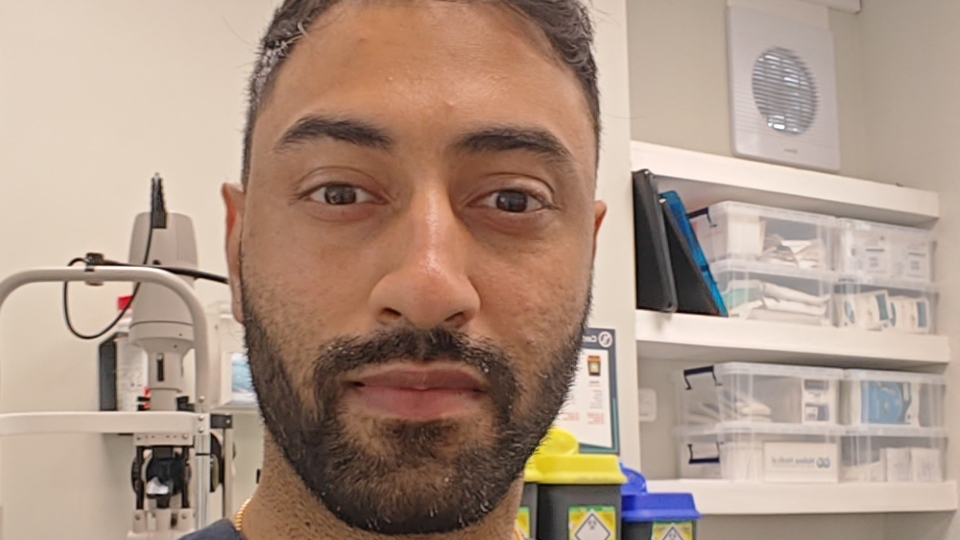
“Be involved in different things at work, so you’re not just doing the same thing in and out all the time. Have a bit of variety in your day – I think that really helps.
“Also, as soon as you finish work, switching off is the best thing to do. Try and get your mind off work, straightaway.”
Read Amandeep’s How I got here reflections in The Flexibility matters edition, online now.
Amanda Nasser, optometrist and owner of McClintock Home Eyecare
Featured in: Decoding domiciliary
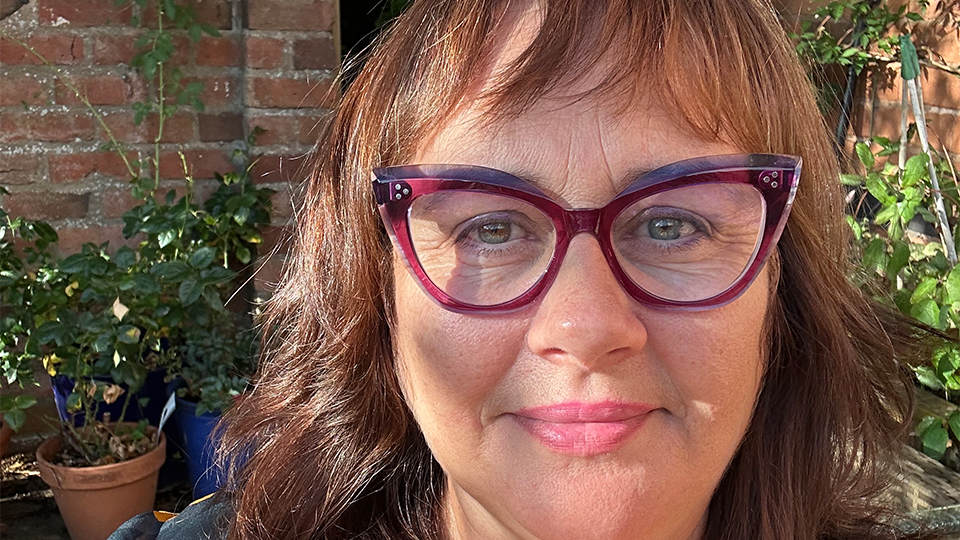
“I set it in my diary, so there are no ifs or buts: I am doing domiciliary optometry on certain days.
“But I’m also flexible: when a care home that is seven miles away needs me urgently, in the evenings, or if there is an emergency in the morning before I start work, I will go and see the patient.
“I have flexibility because I work for myself, and this is the reason why I work for myself: I can govern my own time. If I want to see one patient at 6pm or at 8am, I am flexible to be able to do that.”
Read Amanda’s Decoding domiciliary reflections in The Flexibility matters edition, online now.
Martyn Howlett, senior dispensing optician and dispensing team lead at SeeAbility
Featured in: Dispensing diaries
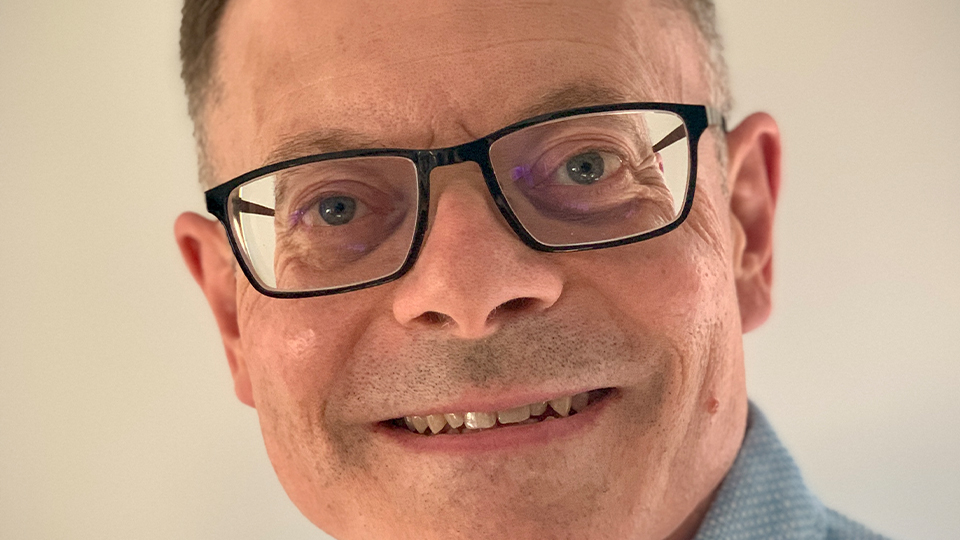
“Planning ahead is key, because then you’re less stressed. In my new role [senior dispensing optician and dispensing team lead at SeeAbility], I’m realising that I need focused time in the diary, early in the morning, to highlight the things can wait a few days and the things that need to be done today.”
Read Martyn’s Dispensing diaries reflections in The Flexibility matters edition, online now.
Jagdeep Kaur, specialist optometrist at Colchester General Hospital
Featured in: You had me at hospital
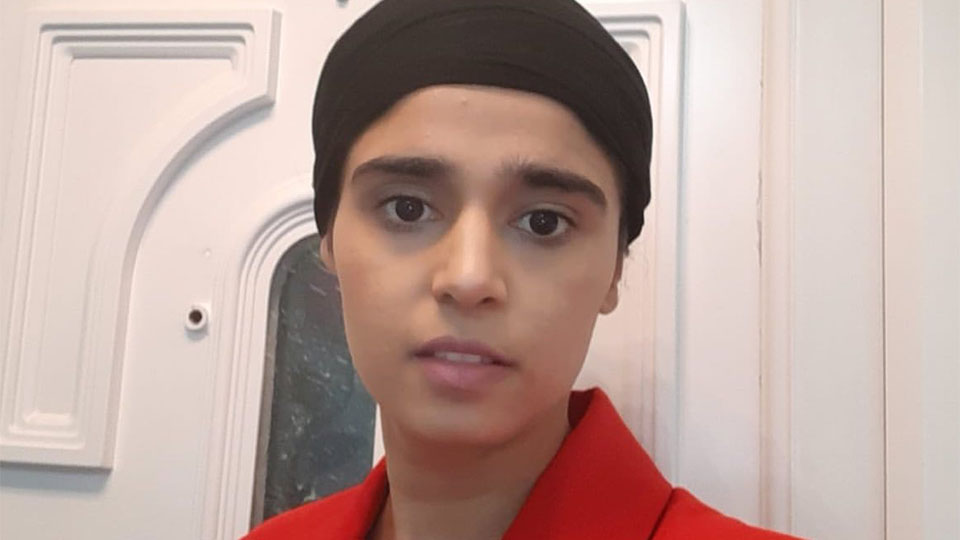
“I work part-time in the hospital, and part-time as a locum. That has given me flexibility, so I can have some weekdays off, and when I need to, I can take a Saturday off. That has really helped with my flexibility.
“On the other side, having fixed days working in the hospital is helpful, because I also know when I’m free to schedule things in.”
Read Jagdeep’s You had me at hospital reflections in The Flexibility matters edition, online now.
Francesca Marchetti, self-employed independent optometrist
Featured in: Locum lessons
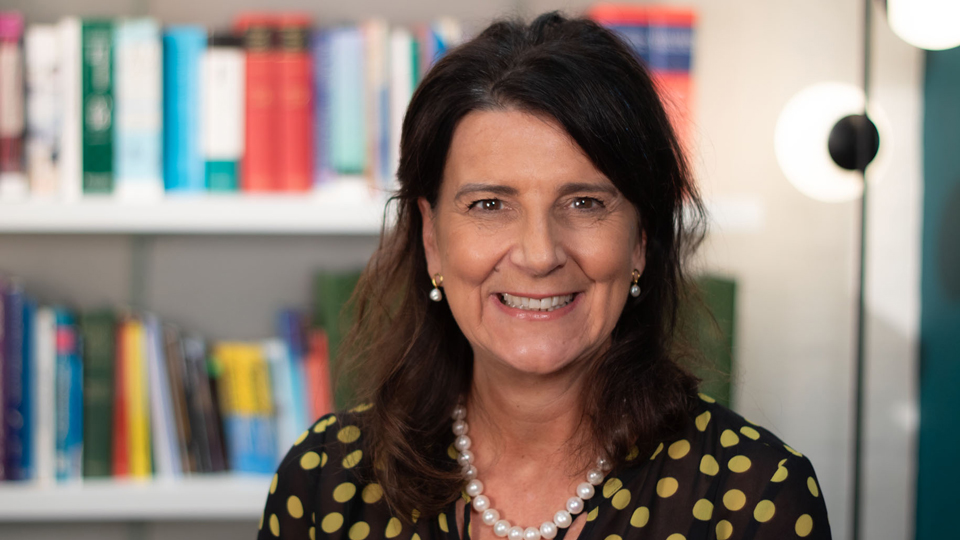
“If you’re doing something like being on the AOP Council or the College of Optometrists Council, you’re given your diary dates from one year to the next. Consequently, I’ve got all those dates in my diary: they are etched in stone, and I work my locum days around them.”
Read Francesca’s Locum lessons reflections in The Flexibility matters edition, online now.
Henry Leonard, optometrist and AOP head of clinical and regulatory
Featured in: A conversation about...

“Planning ahead is a good way to build flexibility. If you can, try to think ahead – for example, I might be thinking that I’ve got a patient I need to visit, to do a collection or deliver their glasses, and I might do it at the weekend, so I can do something else on the Monday.
“Trying to plan ahead a bit actually gives you more flexibility. It sounds like you’re being a bit rigid, but actually, in the long run, it’s more flexible.”
Read Henry’s A conversation about... reflections in The Flexibility matters edition, online now.
Josie Evans, IP optometrist at Moorfields Eye Hospital and Linklater Warren
Featured in: A conversation about...
“Try things first. When I first dropped a community day, I thought, “I don’t want to sacrifice anything.” I love what I do in the community. I wanted to include more days in the week, as opposed to giving something up.
“But I would say, try it anyway. Starting out, we have got a really long career ahead of us. It’s okay to try things for a few years. If it works for you, brilliant: you can carry on, and go into that avenue further.
“If it doesn’t, it’s also fine. You can know that you’ve experienced it, and then try something else.
“Once you say yes to something, it opens another three doors for you to go down, which then opens up another three doors. You find that there’s so much out there. One of the best parts about optometry is that we can have this flexibility, so it really makes sense to utilise it.”
Read Josie’s A conversation about... reflections in The Flexibility matters edition, online now.
More OT asks...
-
 What is the proudest moment of your career so far?
 -
 What is your top tip for dealing with challenges or stressful situations at work?
 -
 What is the most important non-clinical skill in optometry practice?
 -
 What is the one piece of technology or innovation that you would like to see as routine in practices in five years’ time?
Comments (0)
You must be logged in to join the discussion. Log in