


11 June 2026
The Practice resilience edition explores what it means to work in optometry in 2026 – from managing practices in a cost-of-living crisis to handling stressful situations both inside and outside the testing room.
With this theme in mind, OT canvassed the views of contributors to our Life in practice section on a key theme: what has been the hardest moment in your career, and what is your top tip for dealing with challenges or stressful situations at work?
Raf Islam, mobile and locum optometrist and optometric adviser at Swansea Bay University Health Board
Featured in: Decoding domiciliary
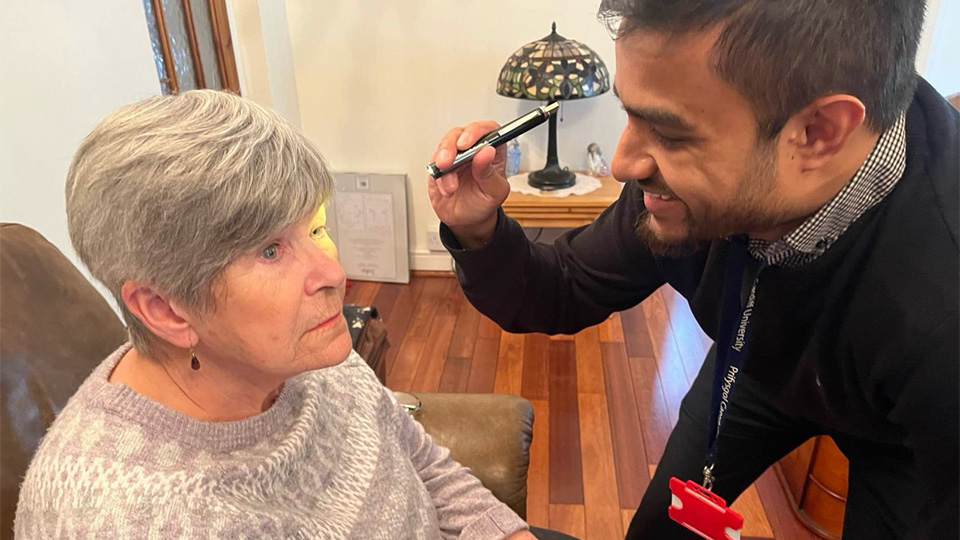
“It can be challenging, especially mentally, when patients decline referrals or decline care.
“Sometimes, my patients feel like they’re too unfit and too unwell. It can be quite stressful. It’s about having a good discussion with the patients, their next of kin, and their carers, about the risk and the benefits, and also me trying to listen to that patient’s concerns.
“You always have to be working within that patient’s best wishes. As long as they have the mental capacity, you have to honour that.
“I see a patient decline advice at least once a month, and it is difficult. You want the best for them, but you also have to understand their concerns and their reasoning, and you have to appreciate their decisions.”
Read Raf’s Decoding domiciliary reflections in The practice resilience edition, online now.
Faayza Haq, independent prescribing optometrist at Specsavers in East Kilbride
Featured in: How I got here
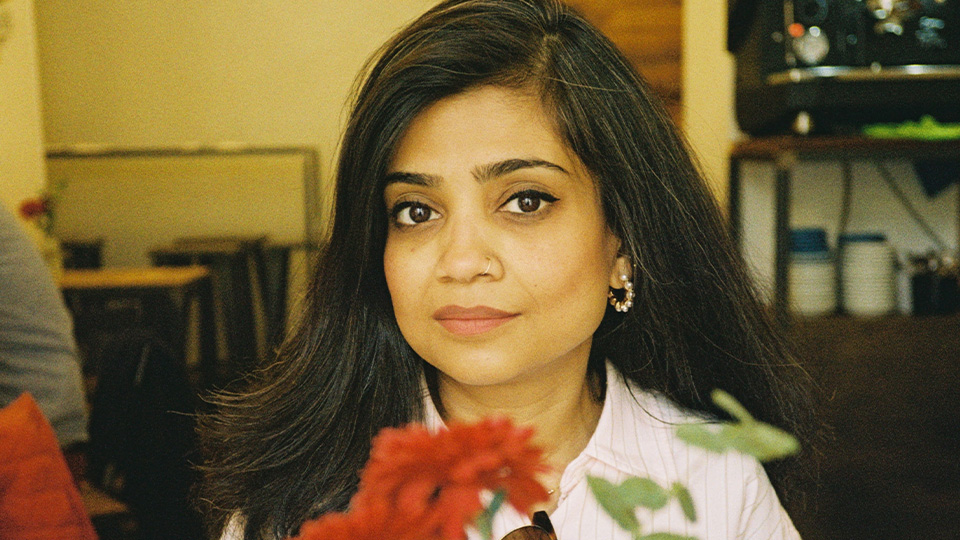
“For me, the hardest things haven’t been in my career so much as the personal health stuff that has made my job harder. There was a period about 10 years ago when I was in and out of hospital a lot, and it was tough.
“Compartmentalising is important. It has taken me years to learn this, and I still get days where it is overwhelming, but at the end of the day, we are there for our patients as healthcare providers.”
Read Faayza’s How I got here reflections in The practice resilience edition, online now.
Kumell Rizvi, locum and hospital optometrist
Featured in: You had me at hospital
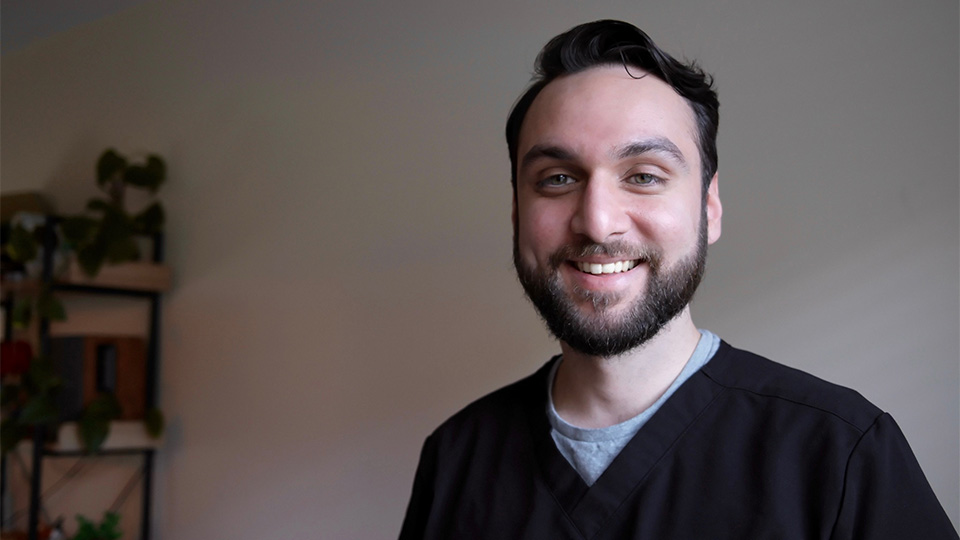
“The hardest period of my career was recognising early on that the path I’d worked so hard to build wasn’t necessarily the one I wanted to follow forever.
“Like many healthcare professionals, many of us had reasons for embarking on our careers as teenagers that don’t always satisfy us once we’re qualified. I spent years focusing on the next role, qualification or opportunity, before taking the time to ask whether it was leading me towards the life and career I wanted.
“My top tip for dealing with challenges is to focus on what you can control in front of you. Whether it’s a difficult patient, a complaint, or uncertainty about your future, breaking problems down into small, actionable steps makes them far less overwhelming. Most situations improve when you stop trying to solve everything at once and simply focus on the next right decision.”
Read Kumell’s You had me at hospital reflections in The practice resilience edition, online now.
Haris Iqbal, optometrist and owner at NVision Eyecare in Wolverhampton
Featured in: A day in the life of a business owner
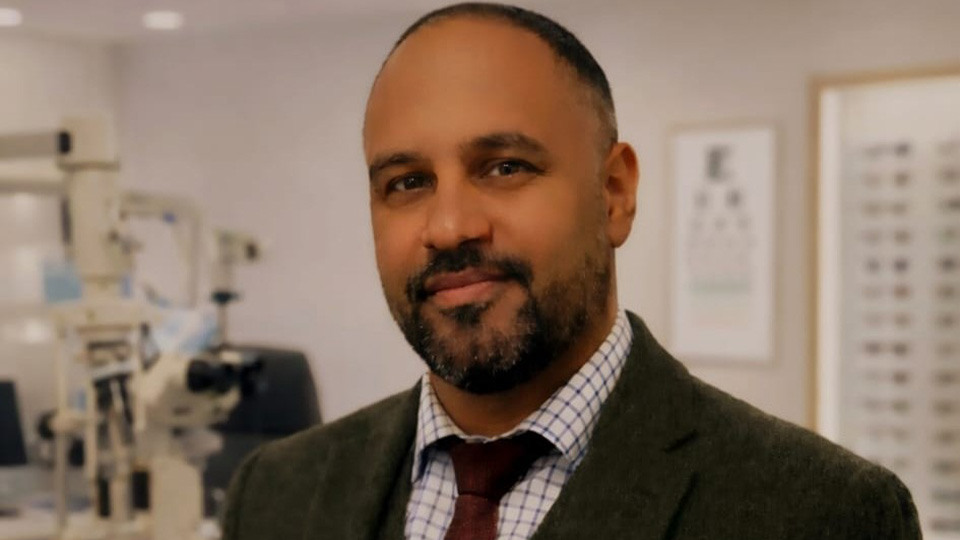
“The hardest period of my career was navigating significant business and staffing challenges at the same time as losing my father. It was a painful reminder that, no matter how important work may seem, life can change in an instant. That experience gave me perspective and taught me not to take people, time or opportunities for granted.
“My top tip is to focus on what you can control, and remember that every challenge is temporary. Treat people well, especially when life is difficult, because one day they may no longer be there. Live each day as if it were your last, but work and plan as if you were to live forever.”
Read Haris’ A day in the life of a business owner reflections in The practice resilience edition, online now.
Garrey Haase, owner of Yorkshire Eyewear
Featured in: A conversation about...
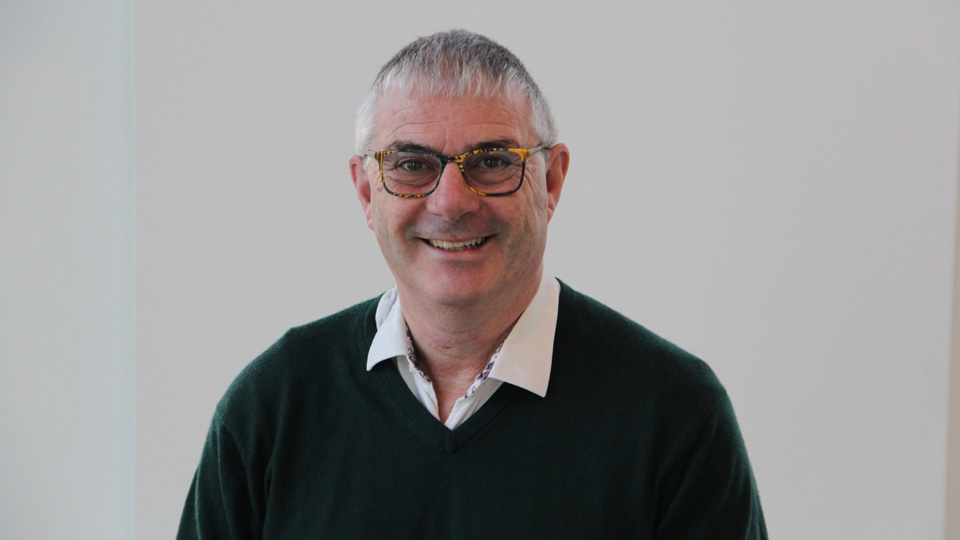
“I had been qualified six months, and I had a friend in the chair who I could tell had a massive brain tumour, and she was six months pregnant. I’d grown up with her, and we were friends from the same city. My challenging moment was how to deal with that without terrifying her.
“Obviously, it stays fresh in my memory all the time. I remember ringing my then boss afterwards, and him saying, ‘I’m glad it was you and not me.’ She was in surgery for 23 hours the next day. Fortunately, both she and the baby survived.
“What I did on that occasion, and what I always advise when you’re presented with a challenge, is try and step back and take your time. Don’t react straightaway. Think about it, and give yourself time before you take action, if possible.”
Read Garrey’s A conversation about... reflections in The practice resilience edition, online now.
Mehul Patel, AOP Councillor and franchisee at Boots Opticians in Bexleyheath
Featured in: A conversation about...
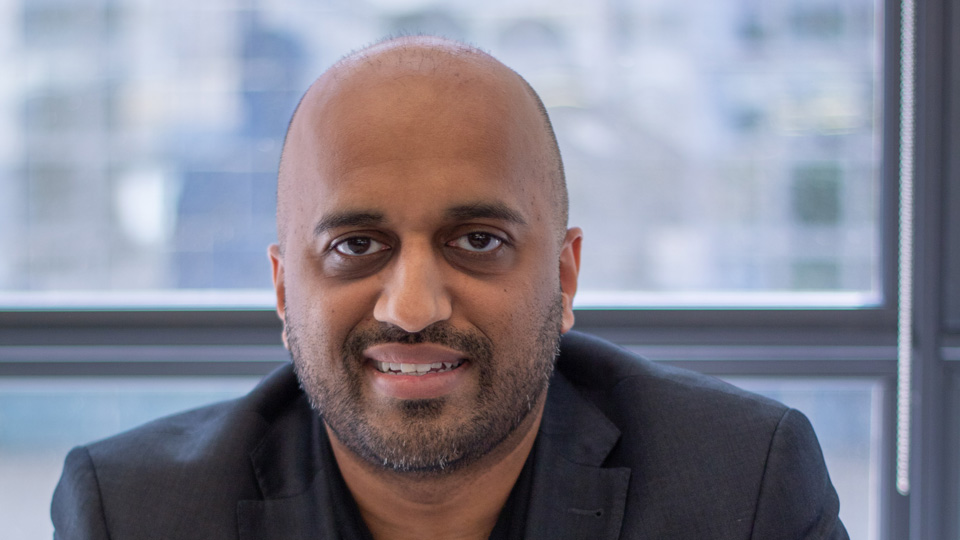
“My top tip for dealing with stress at work is to keep on top of your accounts on a monthly basis. I’m seeing more and more business owners who are not on top of their business rates.
“I pay to have a monthly analysis. Every month, I have an analysis of my business and outgoings. As a business owner, it is imperative that we stay on top of those costs, incoming and outgoing, on a regular basis.
“I know a lot of owners do it yearly. It’s too late. At the end of the year, if you say, ‘Oh, I’ve only made £20,000 in the whole year,’ it's too late [to take action]. You’re not resilient to change, and you could have made that change actively, if you had been on top of the numbers.”
Read Mehul’s A conversation about... reflections in The practice resilience edition, online now.
More OT asks...
-
 What is the most important non-clinical skill in optometry practice?
 -
 What is the one piece of technology or innovation that you would like to see as routine in practices in five years’ time?
 -
 What invention would make the most difference to myopia management if it was to become commonplace in five years’ time?
 -
 What is the one policy change that would most benefit the optical profession?
Comments (0)
You must be logged in to join the discussion. Log in