


23 April 2026
The core values edition explores the essential skills that practitioners need to thrive both inside and outside the consulting room – whether learnt through university studies and pre-reg placements, or through the course of a career.
With this theme in mind, OT canvassed the views of contributors to our Life in practice section on one key question: what is the most important non-clinical skill in optometry practice?
Priya Kakkad, professional services associate at Zeiss Vision
Featured in: How I got here
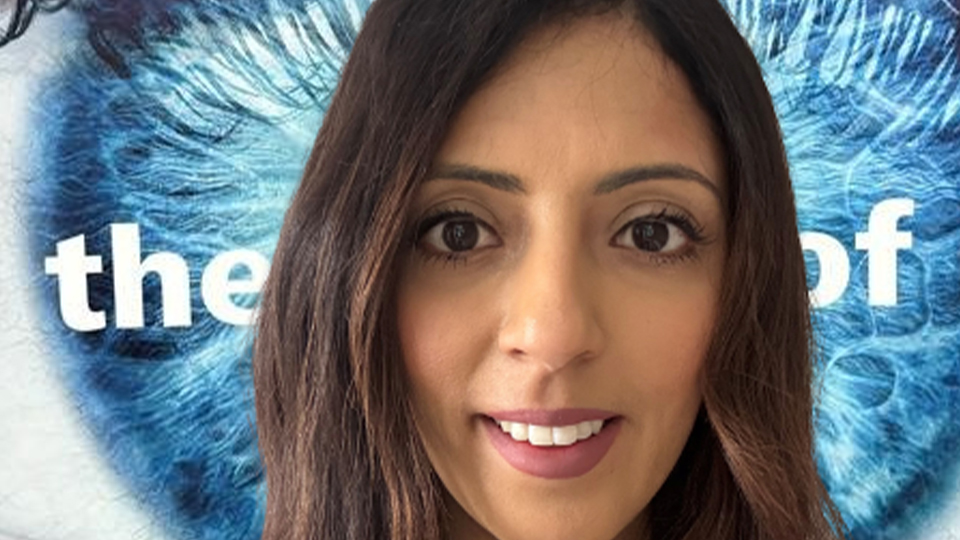
“The most important non-clinical skill is agility – whether it be adapting to different patients who come into practice, to integrating different shared care schemes/referral pathways or even locuming in different stores. Practitioners need to be able to adapt quickly to change and the more agile you are, the more ease you will have.”
Read Priya’s How I got here reflections in The core values edition, online now.
Roma Malik, locum optometrist
Featured in: Life as a locum

“Beyond my clinical skills, the most important skill I bring is the ability to communicate complex information in a clear and reassuring way. By listening to patients carefully and building trust, I help patients understand their situation, feel confident in their care and take an active role in improving their daily function and wellbeing.”
Read Roma’s Life as a locum reflections in The core values edition, online now.
Eliza Jane McCall, pre-registration optometrist at Boots Opticians, Sunderland High Street
Featured in: Pre-reg focus

“I think the hardest non-clinical skill is maintaining resilience. In a typical day, you can move from a difficult or demanding case straight into the next patient, and you have to reset fully each time, often doing this many times over the course of a single clinic. Then you come back the next day and do the same again.
“It’s also important to remember that for many patients, an eye examination can be quite scary, so it’s essential they never feel like you’re distracted or carrying anything over from the previous appointment.”
Read Eliza Jane’s Pre-reg focus reflections in The core values edition, online now.
Lindsey Jones, optometrist and co-owner of Jones Eyecare
Featured in: A day in the life of a business owner
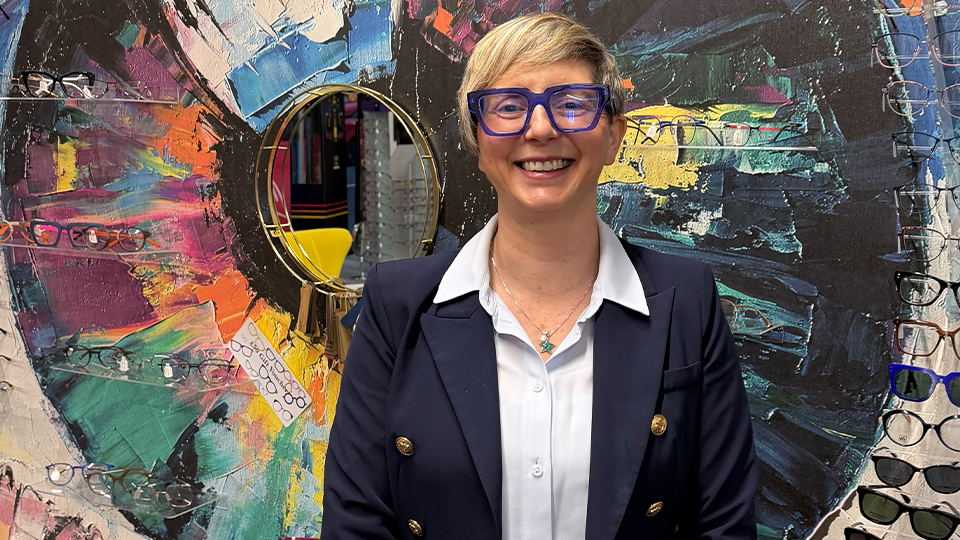
“To me, the most important skill is communication. Being able to ask the right questions but also to truly listen to your customer is a skill that is often under rated.
Most problems occur because we haven’t listened to what our customer actually wants, leaving them unhappy or confused about the outcome.”
Read Lindsey’s A day in the life of a business owner reflections in The core values edition, online now.
Marc Drake, independent prescribing optometrist and partner at Osmond Drake Opticians
Featured in: A conversation about...
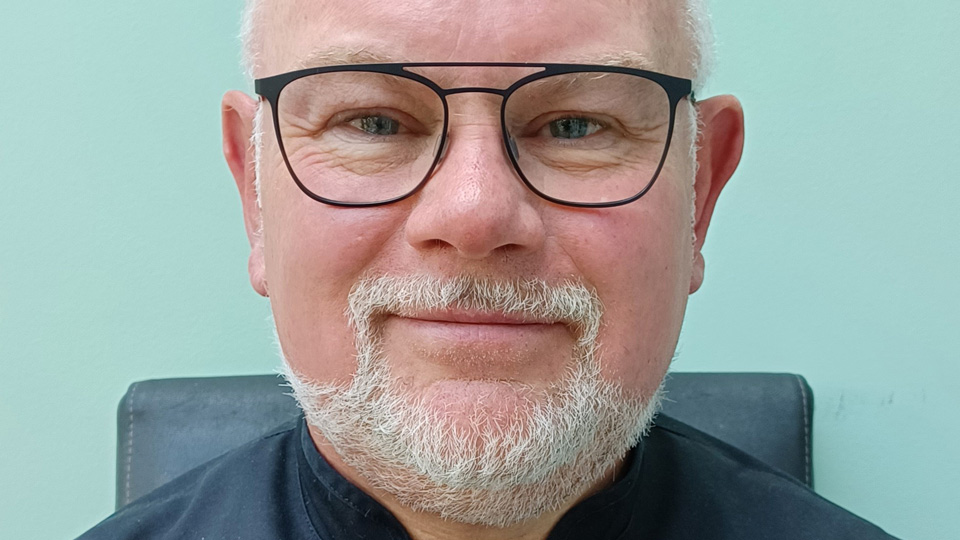
“Empathy, and being caring. Wanting to get people sorted out is the most important thing. It’s the same with mentees – you want them to leave, start doing their own thing, and think, ‘I can do this much better, because Marc helped me to get here.’ That’s what you want, rather than just ticking boxes.”
Read Marc’s A conversation about... reflections in The core values edition, online now.
Guru Samineni, Specsavers optometrist and independent prescribing placement student
Featured in: A conversation about...
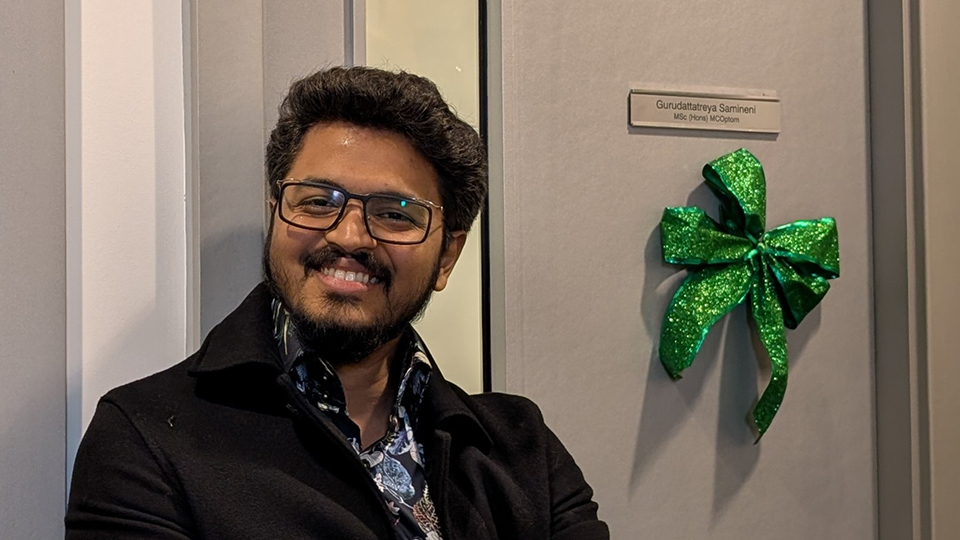
“Confidence, and the way you explain. There are lots of patients who don’t understand what you’re trying to do for them. If you are on the same page, and can provide them with clarity on the management, that gives them lots of confidence. It will also demonstrate your knowledge to them. It’s knowledge, plus confidence.”
Read Guru’s A conversation about... reflections in The core values edition, online now.
More OT asks...
-
 What is the one piece of technology or innovation that you would like to see as routine in practices in five years’ time?
 -
 What invention would make the most difference to myopia management if it was to become commonplace in five years’ time?
 -
 What is the one policy change that would most benefit the optical profession?
 -
 How do you balance work with the other things that are important in your life?
Comments (0)
You must be logged in to join the discussion. Log in