


13 February 2026
The Emerging technology and future practice edition explores the role that emerging technologies and AI could play in the optometry setting today, and beyond, for optometrists and patient care.
With this theme in mind, OT canvassed the views of contributors to our Life in practice section on one burning question: what is the one piece of technology or innovation that you would like to see as routine in practices in five years’ time, that isn’t there now?
Umar Vania, Operations director of NHS domiciliary provider, SightWatcher — Mobile Opticians
Featured in: Decoding domiciliary
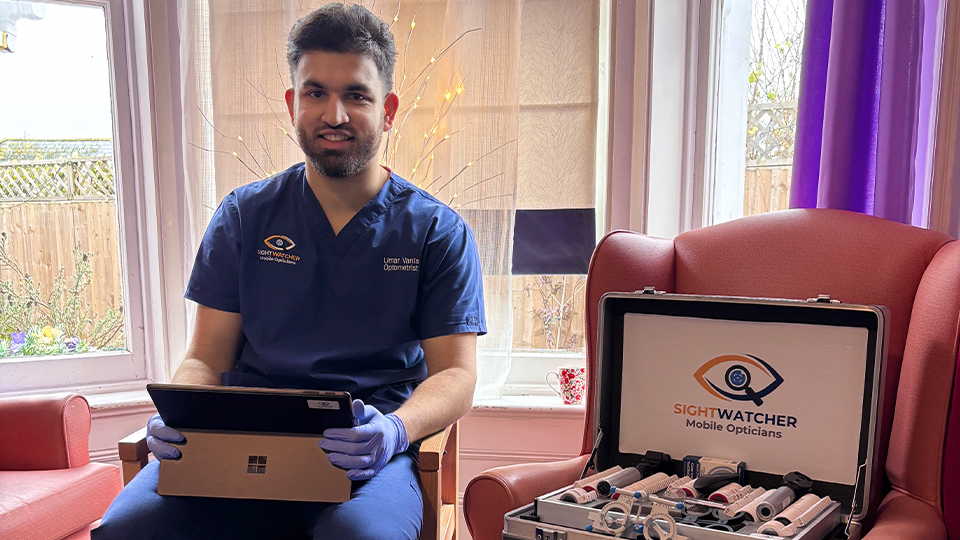
“I would like to see oculomics — the science of using the eye as a window into systemic disease risk — become routine in optometry practices within five years.
“While there is some public awareness of the role eye exams play in identifying conditions like diabetes and hypertension, this approach would elevate optometry’s position within the wider public health system and strengthen its role in preventative healthcare.”
Read Umar’s Decoding domiciliary reflections in The Emerging technology and future practice edition, online now.
Charlie King, optometrist and clinical director at QK Optical
Featured in: How I got here
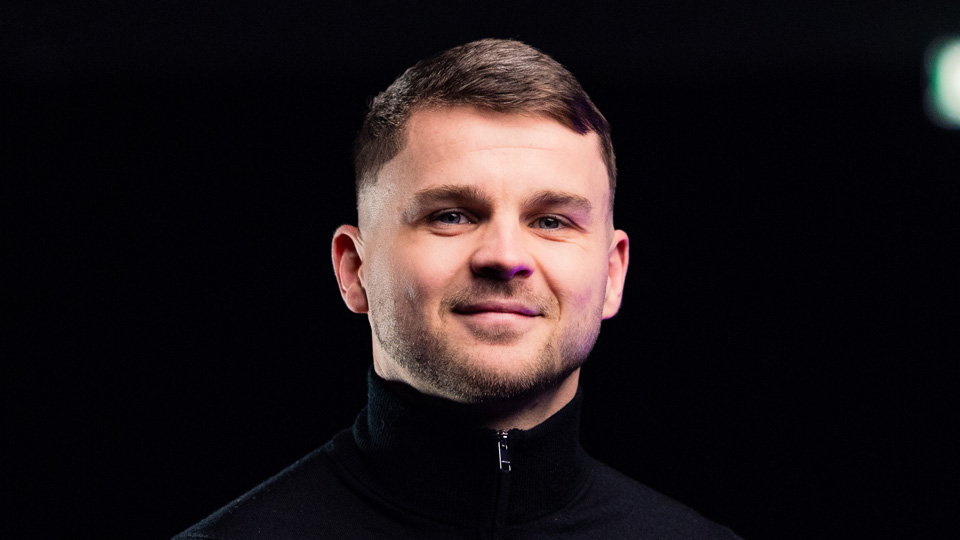
“There is no denying that artificial intelligence (AI) is a powerful tool, but there is no way I’d want to rely on it for all the answers. I think if we ever do that, it’s a very dangerous game, because they do make mistakes.
“However, there has been research that AI outperforms every medical school student, and even well-trained healthcare people, in every avenue. I’d like to see AI incorporated into a triage service – not fully making the decision, but streamlining us. Imagine if an AI triage tool could organise patients in stacks, so someone could check them quickly. It’s not making the decision, but categorising or organising for a human to do. I don’t see why that couldn't be implemented now – but in five years, definitely.”
Read Charlie’s How I got here reflections in The Emerging technology and future practice edition, online now.
Saleem Patel, optometrist and director at Vision Express Gloucester
Featured in: A day in the life of a business owner
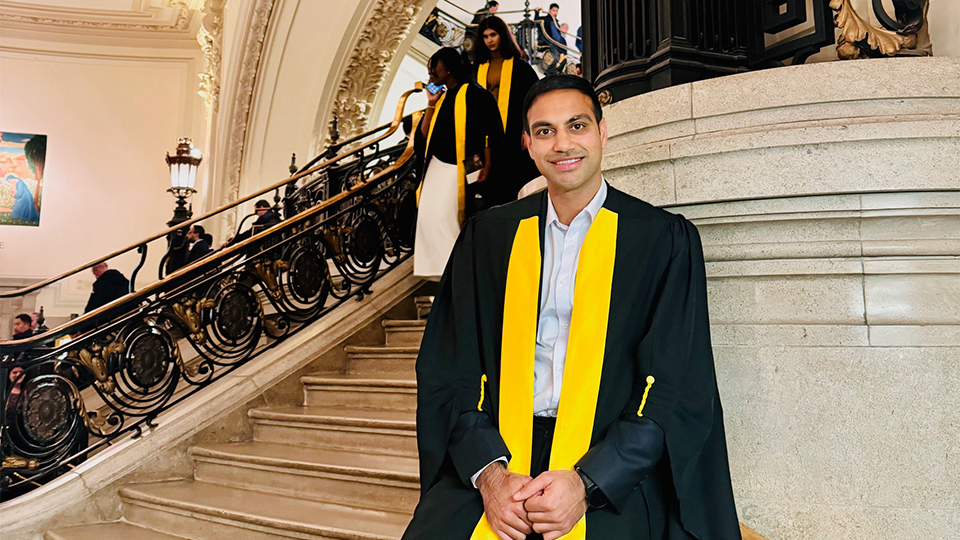
“That we all have access to the high-end machines: every practice has access to the best optical coherence tomography (OCT) machines and optomaps.
“We all have the same abilities to look at things in the same way. At the moment, I don’t think everyone does. Some practices have a lot more high-end equipment, and some don’t. I’d like to see everyone have that access.”
Read Saleem’s’s Day in the life of a business owner reflections in The Emerging technology and future practice edition, online now.
Anthony Josephson, director and optometrist at Maskell + Josephson Independent Opticians
Featured in: A conversation about...

“We’ve got meibography, but we still don’t do that routinely on absolutely everybody. It’s still not streamlined. I would love to see more of these things that are designed for earlier detection to be done routinely in practice.”
Read Anthony’s A conversation about... reflections in The Emerging technology and future practice edition, online now.
Raina Malik, locum optometrist
Featured in: Life as a locum

“I’d love to see AI-assisted diagnostic integration become routine in optometry. The rate AI is progressing is incredible.
“Rather than AI simply flagging abnormalities on individual OCT scans or fundus images, the real advancement would be AI that integrates findings across all clinical tests — visual fields, OCT, corneal topography, refraction trends, and longitudinal data.
“Imagine one unified report that analyses results together and compares them year-on-year, identifying subtle progressive changes such as early visual field depression, retinal nerve fibre layer thinning, ganglion cell layer loss, or early macular changes that may otherwise be missed in isolation.
“Taking this further, integrating systemic health data and medication history could allow AI to recognise patterns between ocular findings and general health, supporting earlier detection and more personalised patient care.”
Read Raina’s Life as a locum... reflections in The Emerging technology and future practice edition, online now.
Alistair Duff, director and optometrist at Urquhart Opticians
Featured in: A conversation about...
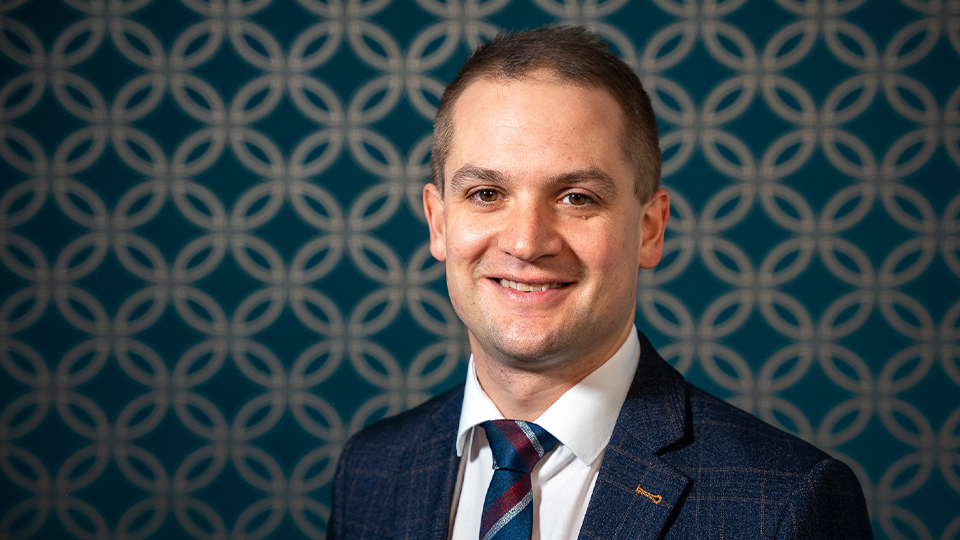
“Optomap being used routinely would certainly help with peripheral eye disease.”
Read Alistair’s A conversation about... reflections in The Emerging technology and future practice edition, online now.
More OT asks...
-
 What invention would make the most difference to myopia management if it was to become commonplace in five years’ time?
 -
 What is the one policy change that would most benefit the optical profession?
 -
 How do you balance work with the other things that are important in your life?
 -
 What is the next step you plan to take to upskill your career?
Comments (0)
You must be logged in to join the discussion. Log in