


27 April 2026
The daily decisions that optometrists make early in their career help to shape the type of practitioner they become.
Does a newly qualified optometrist ask questions if they are unsure, or attempt to navigate their way through a challenging situation alone? Do they catch up on clinic work during their lunch break or take a walk outside?
Over time, these daily decisions transform into a routine, and these routines form the building blocks of a career.
To help ensure that newly qualified optometrists build their career on a strong foundation, OT has approached experienced optometrists for their tips on establishing good habits early on.
Laying the foundations for a calmer day
Leightons Chandlers Ford optometrist, Rebecca Rushton, encouraged early career optometrists to ensure that they finish all of their paperwork by the end of the day.
“Make sure any notes are written up and referrals sent so they don't get lost or forgotten, and you don't have work hanging over your head when you get home,” she said.
“Good habits make you a better, calmer and more efficient optometrist. You can always refine things as time goes on, but make life easy as early as possible,” Rushton observed.
Linklater & Warren Opticians optometrist, Josie Evans, noted that being comfortable asking for a second opinion as an early career optometrist can help to support practitioner wellbeing.
“Try to ask on the day of the consultation so you’re not worrying about your management at home. In our practices, we encourage regular case discussion between optometrists, even those who are very experienced,” she said.
Evans also encouraged newly qualified optometrists to continue learning following qualification.
“Be curious - research conditions and medications you are not familiar with, follow up with patients you have referred, and reflect on your communication to improve for next time,” she said.
The optometrist added that newly qualified optometrists are not expected to know everything.
“It is a brilliant time to develop a support network around you,” she said.
The value of attention
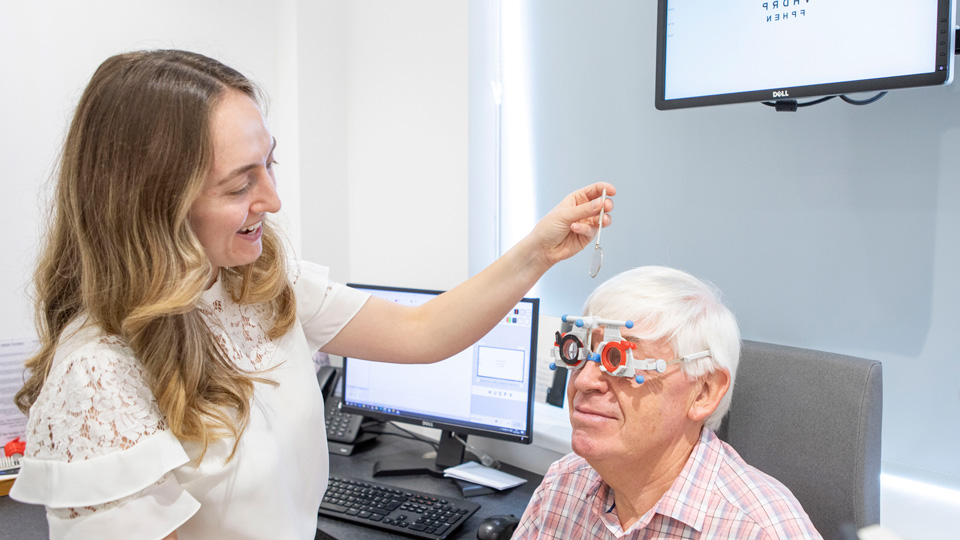
Reflecting on his tips for newly qualified optometrists, locum optometrist, Frank Eperjesi, emphasised the importance of taking a thorough history and symptoms.
He added that, where possible, optometrists should refrain from making notes while the patient is talking.
“A good habit to get into is to ask a history and symptoms question or several linked but short questions, listen to the response while looking at the patient and then write the response in the clinical records,” Eperjesi shared.
He also encouraged optometrists to ask patients at the end of the examination if they had any questions about what was said or done during the sight test.
Eperjesi observed that building good habits means that important actions become automatic.
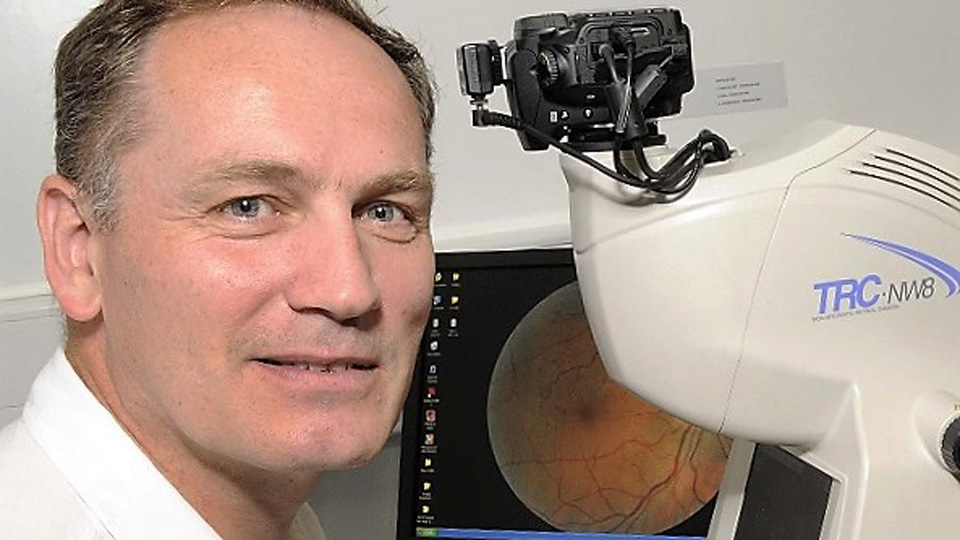
Optometrist, Dr Grant Robinson, observed that the first few years following qualification as an optometrist can be “exciting and nerve-wracking” in equal measure.
“Despite being fully qualified it is natural to feel overwhelmed by the heightened responsibility whilst getting used to standing on your own two feet,” he said.
The Wales Optometry Postgraduate Education Centre senior lecturer noted that following qualification many practitioners mature both personally and professionally.
“Instilling good habits during this critical period will help to build your resilience and promote your wellbeing. They will also act as the bedrock for your career as they become subconscious, helpful routines,” Robinson shared.
Reflecting on the lessons he would give to newly qualified optometrists, Robinson said that he would recommend that early career professionals aim to be confident “but not cocky,” kind to themselves and others around them, and curious to continue their growth as optometrists.
“Be brave – if you are not enjoying the situation you are in, don’t be afraid to make a change sooner rather than later,” he said.
Robinson also recommended that newly qualified optometrists take time to consider the top three habits they would like to build in the workplace, then work on one new habit at a time.
“In my case that was spending a few minutes at the end of each day reflecting on what went well and what could have gone better, ensuring I ate a proper lunch and not putting too much pressure on myself to see more patients than I was comfortable with,” he said.
Drawing from his own experience, Robinson observed that early on in an optometrist’s career, it is easy to underestimate the importance of work-life balance.
“There is a tendency for ambitious junior optometrists, who are trying to forge their own path within the profession, to over-prioritise work, take on too much and not maintain a good boundary between their career and their life outside the testing room,” he said.
He advised early career optometrists to spend some time getting to know what being a fully qualified optometrist is like.
“Try not to overcommit – there will be time for other pursuits,” Robinson shared.
Instilling good habits during this critical period will help to build your resilience and promote your wellbeing. They will also act as the bedrock for your career as they become subconscious, helpful routines
Planning for the long-term
Optometrist and director of Rawlings Opticians in Winchester, Rachael Smith, highlighted that optometry is a “deceptively demanding and complex role.”
“It can feel like only those in the role can truly understand the burden. We have to combine clinical decision-making, effective communication, risk management, and commercial awareness all in the limits of appointment time,” she said.
Smith added that early career optometrists should consider how they will approach the job in a way that they can sustain in the long-term.
“Accepting that it is a complex job and having a strategy to give yourself the longevity of being able to perform it for around 40 years or longer takes planning,” she said.
Reflecting on her personal experience, Smith shared that arriving in practice around 20 minutes early makes a big difference to how her day unfolds.
During this time, she will make some notes about the day ahead – including key points about complex patients and social notes (for example, remembering to ask about a new grandchild or an overseas trip) – as well as checking the equipment and room set up.
“For me it’s about reducing cognitive overload later – and having a smoother day means I’ll be more likely to wrap up on time,” Smith highlighted.
“That short amount of time really pays dividends for a calmer clinic and a better patient experience,” she said.
Smith also advised early career professionals to ensure that they protect their lunch break – even if they can only set aside 15 minutes for a walk outside.
“Fresh air, greenery and no screens can reset your focus and clear your head for the afternoon. We make hundreds of micro-decisions per clinic with constant context switching. A fresh air break will reduce decision fatigue and set you up for a better afternoon,” the optometrist observed.
Smith shared that simple questions can bring information to light that help to inform patient care.
Through her experience as an optometrist, Smith has found that the question ‘What other glasses do you currently use?’ can be revealing.
“Who knew they had a special pair for cutting their toenails which are now long out of date? This isn’t ‘selling’ – it’s understanding lifestyle needs properly,” she said.
Smith observed that understanding patients better leads to enhanced recommendations and improved dispensing.
The practitioner recommends that optometrists build their clinical safety net early.
“Make it a habit to attend local peer review or optical committee meetings. Here you can introduce yourself to nearby practices and get to know local hospital pathways and consultants. Especially if you’re a lone practitioner, this becomes your informal second opinion network,” Smith advised.
She added that staying curious can help newly qualified optometrists to avoid burnout.
“Although attending courses and conferences aren’t requirements – they reignite interest, build confidence and stop the job becoming repetitive,” she said.
Lastly, Smith advised optometrists to plan recovery time with the same attention that they plan their clinics.
“Book holiday time in advance. Space breaks throughout the year so that you know you have a wind-down period and can look forward to it,” she said.


Comments (0)
You must be logged in to join the discussion. Log in