


29 March 2026
A shiny new piece of equipment has arrived in the practice, representing a key investment and an exciting step for the services provided.
OT asked two practices to share the latest investment they have made and how they ensure the whole practice team is on board with integrating the new technology.
Kate Sykes, head of brand, experience, and development at Bowen Opticians in Weston-super-Mare
What was the last piece of kit you introduced to practice and why?
While we have utilised optical coherence tomography (OCT) technology for over a decade, our latest investment was upgrading to the Optopol REVO with dedicated biometry software to measure axial length.
We chose this because, while we were already comfortable with high-level posterior segment imaging, we wanted to bridge the gap into gold-standard myopia management. It allows us to move beyond simple refractive error and provide parents with a proactive ‘growth chart’ for their child’s eyes, using a platform our clinical team already trusts.
How did you go about training the practice team?
Training was a collaborative effort supported by our key partners, BIB Ophthalmic Instruments, Hoya and CooperVision, who provided clinical and commercial expertise on their myopia management products.
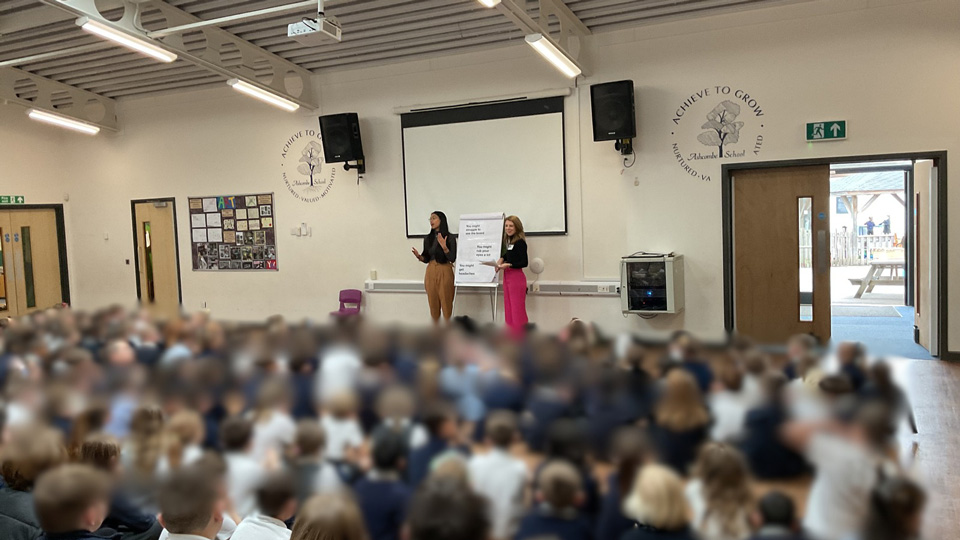
We paired this with internal workshops focused on ‘the myopia conversation.’ We didn't just train the team on the operation; we trained them on the science and the sociology of myopia, ensuring everyone, from reception to the testing room, felt confident explaining the ‘why’ behind the tech. Research shows that many parents aren’t familiar with myopia and how it progresses, so it was important that training supported having accessible conversations with patients and leading with education and empathy.
It was important that training supported having accessible conversations with patients and leading with education and empathy
How has the team been supported to be able to talk about this confidently with patients?
Our team is great at building genuine rapport, which is the foundation of these conversations. They are trained to look at the ‘family picture,’ for instance if a parent is myopic, they know there is a higher genetic likelihood for the children, and they navigate those conversations with sensitivity. They’re confident at uncovering a child’s lifestyle, such as their balance of near-work versus outdoor time, which allows us to tailor our advice to the individual child’s needs rather than a 'one size fits all' approach.
What have been the results of implementing this?
The results have been transformative for our community engagement. By building on our existing relationships with local schools and weaving myopia into our educational material, we’ve seen a significant increase in parents seeking us out. Because our team has already established a relationship and understood the family’s lifestyle, the axial length data from the biometer acts as the missing piece of the puzzle. It provides tangible evidence that parents trust, leading to a much higher uptake in myopia management treatments.
What one top tip would you have for introducing new kit to the practice team?
Adopt a holistic approach: align your technology with the patient’s daily reality. We found that success doesn’t come from the equipment itself, but from how we use it to add real value that the patient can truly understand. Don’t just focus on the clinical metrics, focus on how that data translates into a better quality of life for the patient. When you can demonstrate to a parent that an axial length measurement is a direct, understandable metric of their child’s visual future, it stops being ‘another piece of kit’ and becomes an essential, trusted part of their care.
Nazmeen Ahmed, optometrist and joint venture partner at Valli Opticians, Blackburn
What was the last piece of kit you introduced to practice and why?
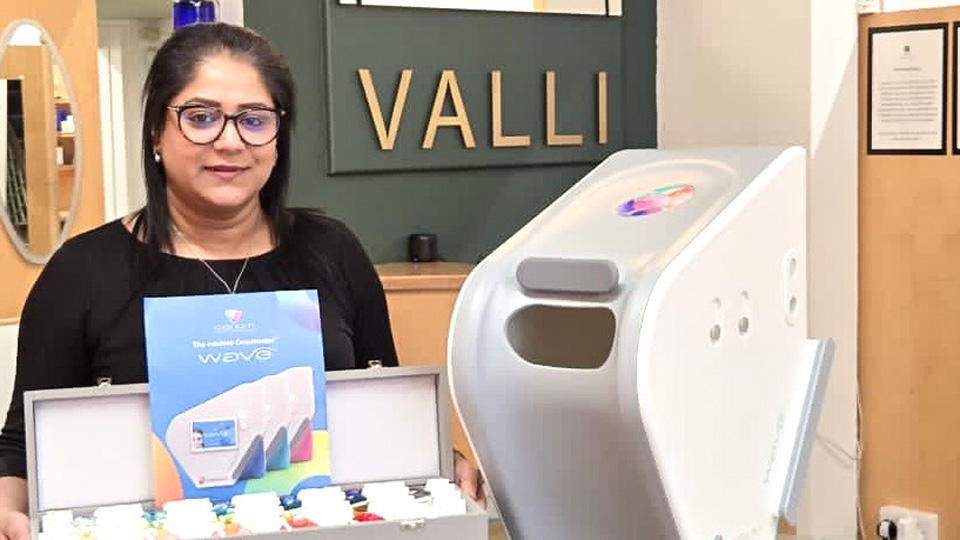
We recently introduced a Cerium Intuitive Colorimeter into the practice, which allows us to accurately identify and reproduce precision lens tints. They are beneficial for patients who rely on coloured overlays to reduce visual stress symptoms, as it allows us to provide a much more personalised result, whilst also improving convenience.
How did you go about training the practice team?
We received online training from representatives at Cerium Visual Technologies, who guided us through a step-by-step tutorial on how to use the Intuitive Colorimeter and interpret the readings. During the session the team had the chance to test the process on the machine themselves, which really helped bring the training to life. As well as that, training is ongoing daily as we demonstrate the equipment to patients.
How has the team been supported to be able to talk about this confidently with patients?
As part of the training, we focused on how to communicate the benefits clearly and simply. This will, in turn, allow the patient to believe in the product as much as we do. If we can provide a solution to make a patient's daily life more comfortable, then we will do what we can to help.
When the team understands how new technology can genuinely improve patient care, they’re much more engaged and confident using it
What have been the results of implementing this?
As it’s still a relatively new addition to the practice, it’s still early to measure long-term results. However, we expect it to benefit the practice by allowing us to offer more specialised and personalised products for children's eye care in general. From a patient perspective, precision tinting can improve comfort and confidence in their eyewear, helping with activities like reading, screen use and performance at work or school, increasing patient satisfaction overall.
What one top tip would you have for introducing new kit to the practice team?
My top tip would be to focus on the patient benefit. When the team understands how new technology can genuinely improve patient care, they’re much more engaged and confident using it. Giving everyone the chance to try the equipment themselves also makes a big difference.


Comments (0)
You must be logged in to join the discussion. Log in