


30 January 2026
The role that optometry plays in stemming the myopia epidemic in the UK was the core focus of OT’s The Myopia management and innovation edition.
With the edition theme in mind, OT asked three contributors to our Life in practice section one burning question: what invention would make the most difference to myopia management if it was to become commonplace in five years’ time?
Dr Niall Hynes, senior lecturer in optometry at the University of Huddersfield, and AOP Councillor representing academic optometrists
Featured in: A conversation about...

“Given the link between axial length growth and myopia development, the increased use of biometry in practice would further aid optometrists in being able to monitor the effect of myopia management techniques.”
Read Niall’s A conversation about... reflections in The Myopia management and innovation edition, online now.
Ceri Smith Jaynes, IP optometrist and OT clinical multimedia editor
Featured in: IP and me
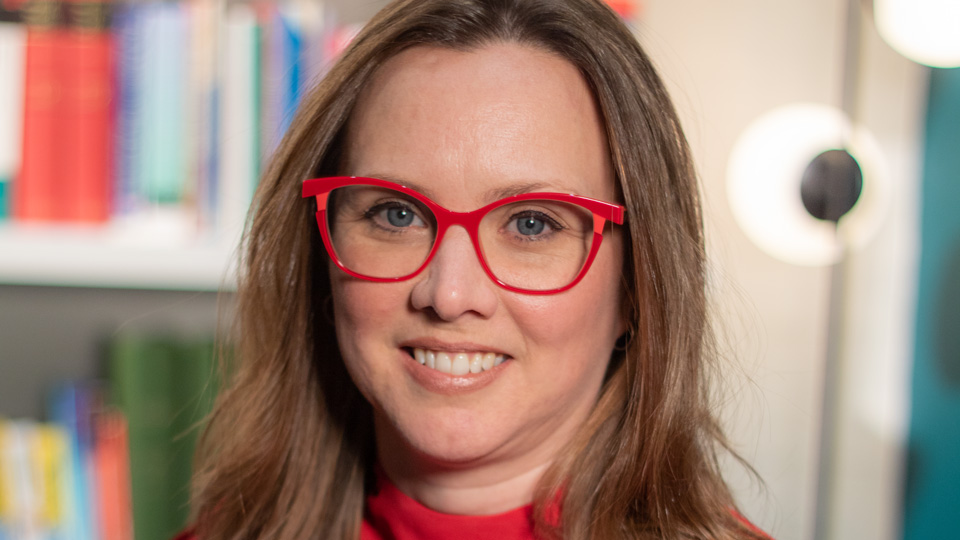
“Myopia management is becoming more mainstream in the UK, but I don’t think the instruments for measuring axial length (AL) are commonplace in High Street practice, yet.
“I think there may be some practitioners who are holding back on starting myopia management because they don’t feel they have the required equipment. I currently use a rough estimate of axial length, based on keratometry readings and refraction. Although AL measurement is recommended rather than essential, if I had this instrument, I could start thinking about myopia in terms of the length of the eye, as opposed to thinking just about dioptres. I’d have a better idea of who is at risk of high myopia and myopia-related pathology.
“It’s great that some instruments have corneal topography and axial length measurement combined in one machine; this then dovetails with contact lens fitting software, meaning you can provide orthokeratology as a myopia management option.
“I’ll also be interested to see what happens with low dose atropine in the next year, as an approved product arrives in the UK: I’m going to need to do a lot more CPD in this area.”
Read Ceri’s IP and me reflections in The Myopia management and innovation edition, online now.
Ankur Trivedi, IP optometrist and AOP board member
Featured in: IP and me
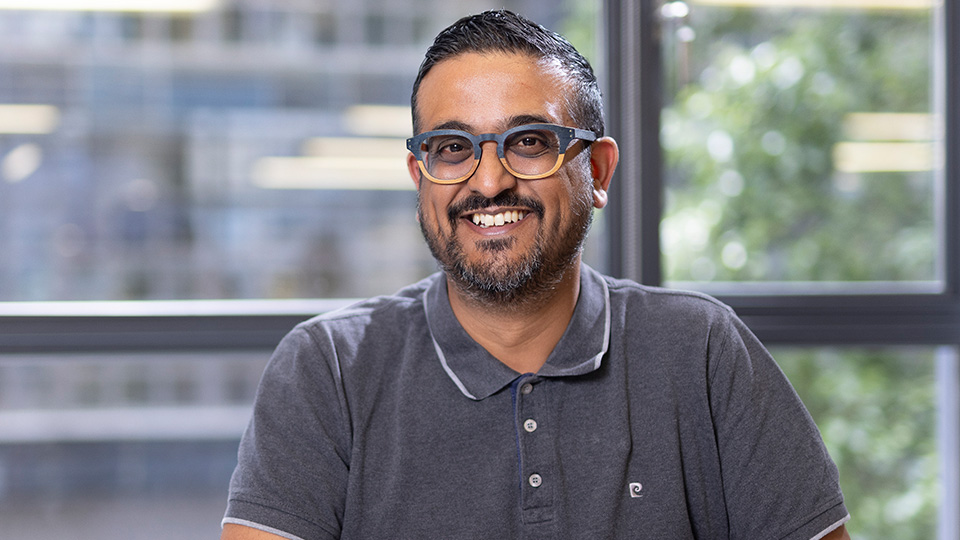
Read Ankur’s IP and me reflections in The Myopia management and innovation edition,online now.
Faith Mills, optometrist and owner of Faith Donaldson Optometrists
Featured in: A day in the life of a business owner

“I think we’ve come a whole lot closer to it already over the past five years. But the invention that would make the most difference, if it were to become commonplace, would be for myopia management to be infinitely affordable, so there was no barrier to treatment. Myopia management should be comfortable, safe and indestructible, and desirable to teenagers and children – as well as being able to spur the wearer on to get outdoors.”
Read Faith’s A day in the life of a business owner reflections in The Myopia management and innovation edition, online nowMore OT asks...
-
 What is the one policy change that would most benefit the optical profession?
 -
 How do you balance work with the other things that are important in your life?
 -
 What is the next step you plan to take to upskill your career?
 -
 What is the one thing that you would change to better serve your older patients?
Comments (0)
You must be logged in to join the discussion. Log in