


09 April 2025
The Older people edition explores the role of optometry in supporting the ageing population – including how optometrists can adapt to provide the best care possible for these patients.
We canvassed the views of contributors to our Life in practice section on one burning topic, asking them: what is the one thing that you would change to better serve your older patients?
Sam Westoby, domiciliary optometrist at OutsideClinic
Featured in: Decoding domiciliary
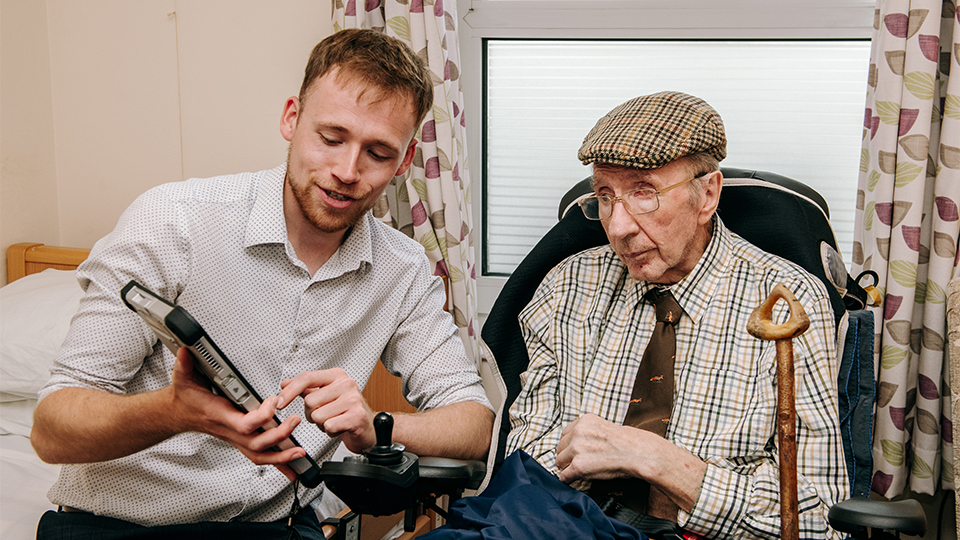
“I’d love to see the use of portable optical coherence tomography (OCT) to aid with the early diagnosis of eye diseases for my patients. It is the one test patients miss out on when compared to an eye exam in practice.”
Read Sam’s Decoding domiciliary reflections in The older people edition, online now.
Wayne Jones, retail partner at Specsavers Haverfordwest
Featured in: How I got here
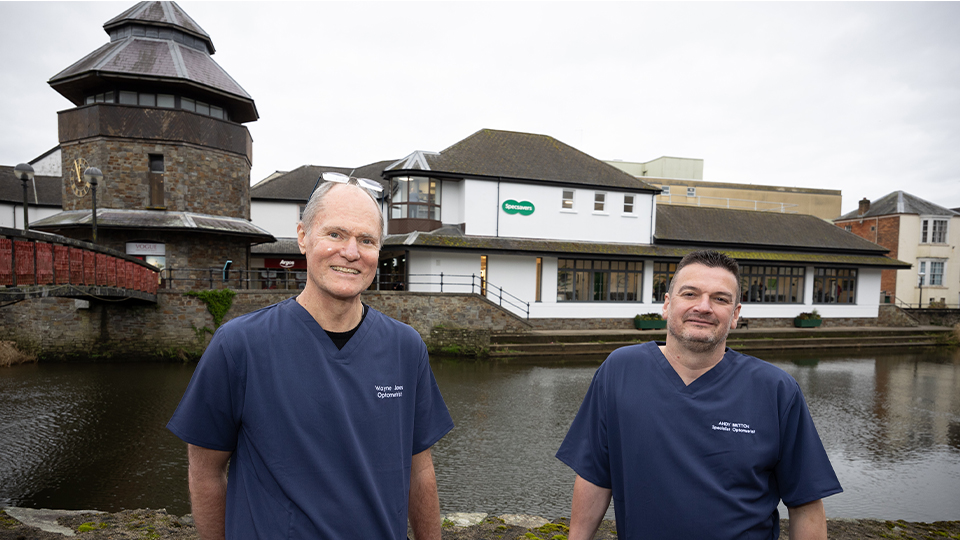
“We’ve done it in our new practice [Specsavers Haverfordwest]. We have disabled and wheelchair accessible toilets. All our clinic rooms are wheelchair accessible. We’ve got very wide corridors for wheelchair access, and the front doors have wheelchair access. We’ve got aids to help older patients when sitting. It is fully accessible.”
Read Wayne’s How I got here reflections in The Older people edition, online now.
Hammad Mansoor, locum optometrist
Featured in: Life as a locum

“To be given more time with them. When I first qualified, we would consider anyone over 60 as being old. In our clinics, they even used to restrict how many over-60s we could see. Now, our clinics are generally full of over 60s.
“The patients in their 70s and 80s are hardest to test. We’ve got more equipment, and we're using OCT and Optomap, and we need more time to interpret that.
“We are also taking on a lot more responsibility, and a lot more legalities, in terms of what we’re responsible for, with that extra equipment. To interpret the diagnostic tests that we’re doing on older patients, we need that extra bit of time.”
Read Hammad’s Life as a locum reflections in The Older people edition, online now.
Roshni Kanabar, optometrist at Stoneygate Eye Hospital and AOP clinical and regulatory adviser
Featured in: You had me at hospital

“Working in the hospital with longer time slots, rather than in community practice, means we have more time to really care for patients as overall people, rather than just caring for their eyes.
“An example is a patient who told me that he was homeless. In the hospital, I have half an hour time slots, and I feel like I have enough time to talk to people. Especially for older patients, that’s so important, because you might be the only person they speak to that day.
“As an optometrist, your job is to care for their eyes. But I think that you can go above and beyond if you have enough time, and I think that a lot of optometrists want to do that, but they just can’t, because they have 20 minutes with the patient and they have to get the whole sight test done.
“That is one thing I would change to better serve the older population: to have enough time to chat to them and actually care for them as a whole person, rather than just to count their eyes.”
Read Roshni's You had me at hospital reflections in The Older people edition, online now.
Michael McCourt, optometrist, audiologist and practice owner at Opticare
Featured in: A day in the life of a business owner
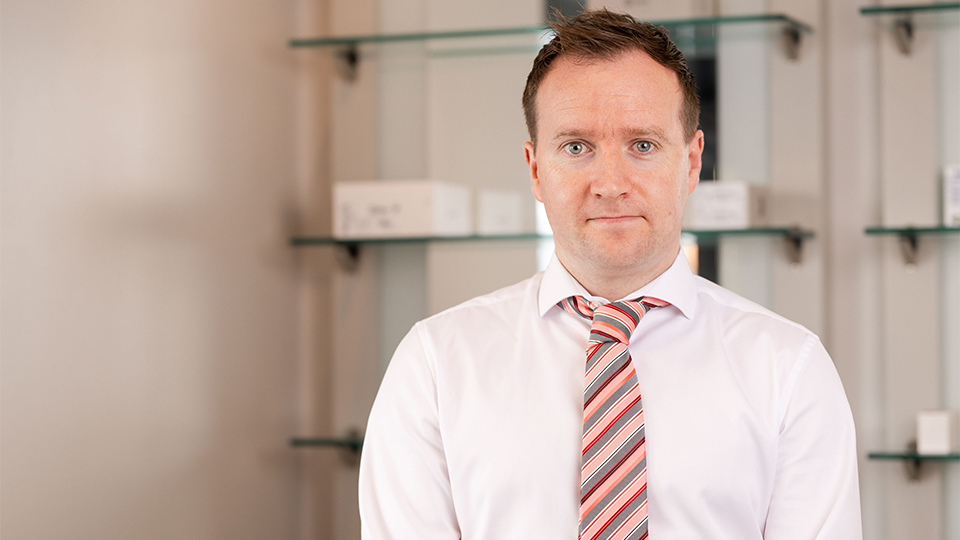
“A lot of domiciliary patients struggle to get seen. Part of the reason we have started Domicare and are expanding it is to provide better access, particularly through audiology. There are not many providers of hearing aids. Patients need better access to that, so they aren’t struggling.”
Read Michael's A day in the life of a business owner reflections in The Older people edition, online now.
Louise Gow, head of optometry, low vision and eye health at the Royal National Institute of Blind People
Featured in: A conversation about...
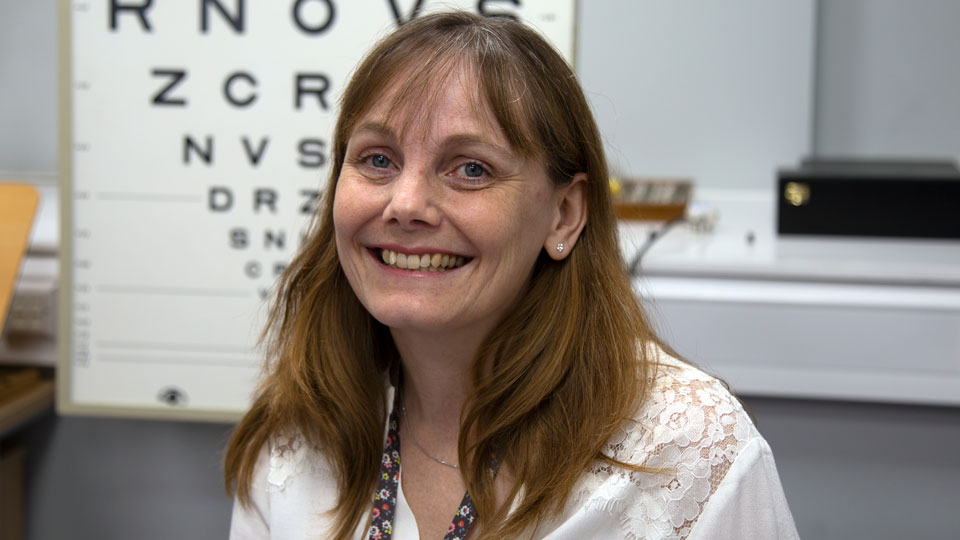
“Improved accessibility: more consideration of how older people access information, access services, and how they will manage with the service that you are providing. I’m thinking specifically around accessible information. There is a heavy reliance on digital, on computers, on booking online, and on communications via text messaging. For some older people, that is brilliant. Not all old people dislike computers, but they do like to be able to pick up the phone and talk to someone.
“It’s always a good thing to do a walk-through in your practice. If I was 85 and not able to walk far, and maybe had a bit of a hearing impairment, how would I experience the service in this practice? How would that impact the access that I’ve got to information?
“We often put lots of information on our website. We’ve got all this information for our patients, but is that accessible to all patients, and if not, what are we doing for those that that otherwise wouldn't get that information?
“If you’re starting a low vision service, you’ve really got to think about where there are lights, and whether you can produce electronic information rather than printed information. Do you ask routinely about patients’ accessible format needs? My top tip is to think about each individual type of patient and what barriers they might have to your service.
“If you asked me that question about people with learning disabilities, or people who don’t have English as their first language, I would give you the same answer: what is their experience of your service? If you’re not thinking about those scenarios, you’ve got patients who are not accessing services equitably.”
Read Louise’s A conversation about... reflections in The Older people edition, online now.


Comments (2)
You must be logged in to join the discussion. Log in
Tiggy Puggenheim10 April 2025
Money. £23.53 to test anyone's eyes, let alone someone over 80 is - ridiculous.
ReportLike2
Anonymous10 April 2025
Well said Hammad.
ReportLike0