


04 December 2025
Every day, optometrists are helping to ease the burden on secondary care by offering extended services in their communities. Within glaucoma care, a range of initiatives help to both improve the referrals that hospitals receive and enable low-risk glaucoma patients to be monitored within the community.
From enhanced referrals in Bolton to glaucoma monitoring in Scotland, OT showcases examples of excellence in glaucoma care across the four nations of the UK.
An enhanced referral service in Wolverhampton
Since joining Flint Optometry in 1989, optometrist Peter Rockett, has observed how the surrounding community has transformed over the years.
“We’ve seen demographics change, as it has changed across the country in many ways,” he said
“We have had to adapt to serve the needs of the local population,” Rockett shared.
While the surrounding neighbourhoods have changed over time, Rockett emphasised that what patients want from their appointment remains the same.
“People need and appreciate a high level of care – whatever their background,” he said.
“That is what we have been good at over the years, and that is what will hopefully continue to drive our success,” Rockett shared.
The vice chair of Wolverhampton Local Optical Committee, who was educated at nearby Wolverhampton Grammar School, is a testament to the fact that you do not need to move far to make progress. Rockett has helped to pioneer a new model of glaucoma care in his area.
It is now hoped that Wolverhampton – the first town to instal automatic traffic lights in the UK – will provide a blueprint for reducing the pressure on secondary care across the Black Country.
The Glaucoma Enhanced Referral Service (GERS) has deflected around half of patients from the hospital eye service since it was first introduced in Wolverhampton in 2019.
A 2024 audit of glaucoma referrals found that Wolverhampton had the lowest referral rate across the Black Country. Around 17% of patients are referred to hospital in Wolverhampton compared to 25% in Sandwell and 27% in both Walsall and Dudley.
It is estimated that if GERS was rolled out across the Black Country, around 1000 hospital appointments could be saved each year.
Rockett, who has personal experience within his family of glaucoma, is passionate about reducing avoidable sight loss by tackling long ophthalmology waiting lists.
“We’ve halved the referrals going into hospital, and the referrals that are sent are more specific – so it is a double win,” he said.
People need and appreciate a high level of care – whatever their background
Refining glaucoma referrals in Bolton
In Bolton, where patients previously waited up to 72 weeks for a routine glaucoma referral, the introduction of GERS has helped to ensure that patients are seen within 18 weeks.
Matthew Thornton, an optometrist and director of three Bolton practices, told OT that GERS has saved 394 hospital appointments in the year to April 2025.
“Glaucoma is something that is close to my heart. Over 26 years of practice, I have seen the real downsides of it – people not being treated and losing sight,” he told OT.
“That is why we set up this service in Bolton. We want to ensure timely intervention,” Thornton shared.
At Specsavers Victoria Square in Bolton, there are between 30 and 50 GERS appointments each month.
Thornton highlighted that being able to be seen promptly through the service eases the burden of worry on patients.

Care in the community
From a pioneering glaucoma service to the roll out of electronic referrals, OT explores how extended care is finding a home on the High Street
He added that people will have their GERS appointment within four weeks – with most patients being seen within a week.
“Glaucoma can be an enigma to patients. They may have heard this term or know someone who has had it – a brother, sister, mother or father,” Thornton explained.
“But most people don’t understand what it is, so there can be a lot of anxiety and you want to reduce uncertainty as soon as possible,” he said.
Thornton added that being seen in a familiar environment, often by a practitioner patients already know, is a source of comfort.
Glaucoma can be an enigma to patients
Glaucoma monitoring in Norfolk and Waveney
Independent prescribing (IP) optometrist and practice director, Ed Adkins, has been offering glaucoma repeat reading and glaucoma monitoring services since they were commissioned across Norfolk and Waveney in 2014.
The glaucoma monitoring service involves patients with stable primary open angle glaucoma or ocular hypertension being transferred from the hospital glaucoma service.
“The participating practice is given baseline clinical data for each patient, along with a maximum intraocular pressure, which would trigger a referral back to the eye clinic,” Adkins explained.
“All patients are re-referred back to the eye clinic after five years, where a decision is made whether to continue monitoring or to discharge,” he shared.
Adkins shared that Norfolk and Waveney covers a large geographic area, meaning that patients may face a significant journey to be seen in hospital.
“Being able to be seen locally and have all tests completed within an hour has certainly been appreciated by all the patients within the scheme. Likewise, having repeat readings performed locally can often save an unnecessary journey to the hospital, along with the anxiety and time involved,” Adkins highlighted.
He added that the repeat readings service has been shown to reduce unnecessary referrals to hospital by up to 75%.
“This frees up a significant amount of clinician time, allowing the service to concentrate on seeing those glaucoma patients who do require specialist management,” Adkins said.
A new contract in South East Wales
IP optometrist, Katie Mote, offers Wales General Ophthalmic Services (WGOS 4) glaucoma filtering appointments at Phillips Opticians in Newbridge.
WGOS 4 also enables optometrists with higher qualifications to monitor suitable glaucoma patients, although this has not yet been rolled out across Aneurin Bevan University Health Board – where Mote practises.
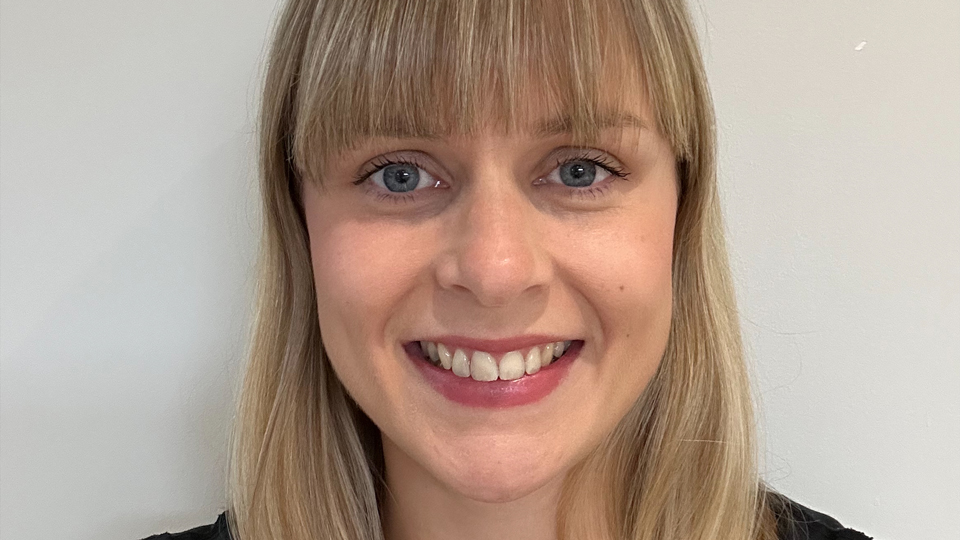
When the filtering appointments first began, Mote was seeing around 20 patients per week through the service although this number has reduced as more practices offer the service.
Mote highlighted that patients receive a standard set of additional tests during filtering appointments.
“They are triaged really well so the more moderate or advanced cases are seen quickly by hospital,” she said.
Saving hospital journeys in Northern Ireland
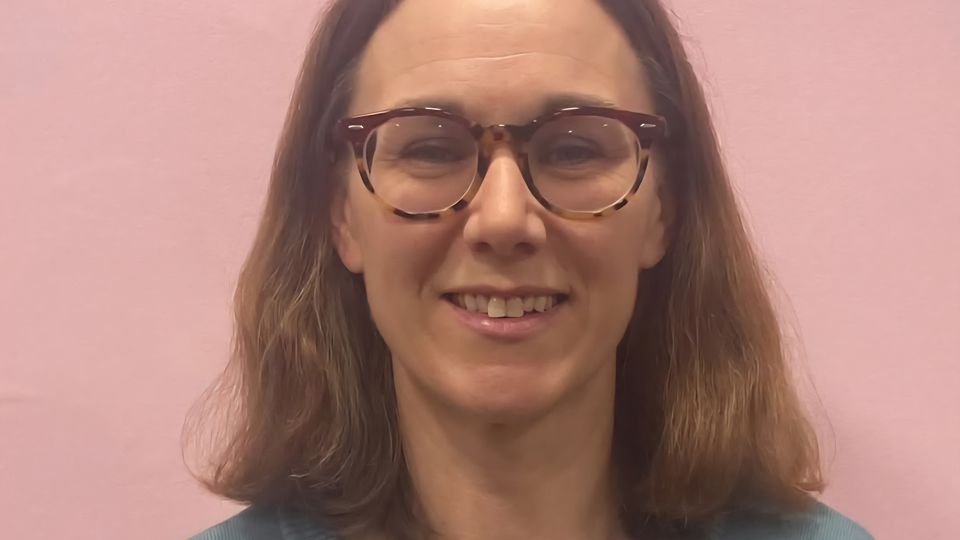
Locum optometrist, Veronica Nellins, has offered three different extended glaucoma services within Northern Ireland – a repeat intraocular pressure reading service, a referral filtering service and an ocular hypertension scheme.
Nellins shared that in her work as a locum optometrist she works at practices where patients would have to travel more than 30 miles to the closest ophthalmology department.
“Patients are happy that their travel time is much less and it’s easier for those with limited mobility,” she said.
She told OT that it was rewarding to be able to help ease the pressure on the hospital glaucoma service.
“The population is ageing. The incidence of glaucoma, as well as other eye conditions, is increasing,” Nellins emphasised.
“I enjoy being part of a service that is helping reduce the burden on the NHS and allows patients access to a monitoring system closer to home,” she said.
Scotland
IP optometrist and director of Kirk Road Eye Care, Johnathan Waugh, looks after patients through the NHS Community Glaucoma Service at his practice in Houston, Renfrewshire.
The service sees IP-qualified optometrists with NES Glaucoma Award Training (NESGAT) training manage low-risk glaucoma patients in the community.
The AOP Councillor highlighted that while the service roll out has been slower than hoped, patients within the service enjoy the convenience of being seen close to home.
“They don’t have to wait an hour for their visual field test and then another hour to see the consultant,” he said.
“They are delighted when they come in and they get a one-on-one with the optometrist. We will tell them on the day what their results are,” Waugh shared.
He shared his hope that the health boards in Scotland would transfer more patients into the service.
“We have done all the training. Ultimately, it is in the best interests of patients as it is a more convenient and accessible service,” Waugh said.
IP optometrist and practice director, Michael O’Kane, is anticipating that he will see around 400 patients through the NHS Community Glaucoma Service at Specsavers Morningside.
O’Kane shared with OT how much he valued the training he received through NESGAT.
The nine-month course involved completing online modules and a hospital placement.
“I used to think that I knew all you could know about glaucoma as an optometrist because I had practised for 25 years,” he said.
“But going on this course really opened my eyes, if you will pardon the pun,” O’Kane shared.
O’Kane had a series of ‘eureka moments’ during NESGAT – from learning about the systemic absorption of eye drops, to alternative options for patients not responding to treatment, and communication tips to improve patient adherence.
“I love learning new things and those moments of realisation,” he said.
“I really think it's improved my management of patients and my empathy for them as well,” O’Kane highlighted.
He completed his hospital placement at the Princess Alexandra Eye Pavilion under the guidance of NHS Lothian principal optometrist, Patricia Halpin.
O’Kane told OT that he really appreciated her diligent approach to supporting his understanding.
“It wasn’t a tick box exercise. You could tell she wanted to ensure excellent patient care and I really appreciated that,” he said.
I enjoy being part of a service that is helping reduce the burden on the NHS
Halpin explained that her role involved giving hands-on experience of managing glaucoma patients to NESGAT optometrists – ensuring that they could correctly identify markers indicating disease progression. She would also confirm their clinical examination skills.
“The optometrists who undertook the course were experienced practitioners who already had a good level of clinical skill to assess glaucoma. They all had a positive attitude to increasing their specialist knowledge and skills and to develop their critical thinking in relation to glaucoma management for the benefit of their patients,” she said.
Halpin observed that she also learned from the optometry colleagues who had undertaken NESGAT training.
“During case discussions, I always learn something even if it is another way of thinking about something,” she said.




Comments (0)
You must be logged in to join the discussion. Log in