


23 December 2024
The money matters edition explores why we should not shy away from talking about money to ensure the profession is recognised appropriately.
We took the opportunity to canvas the views of contributors to our Life in practice section on one burning topic, asking them: if you could have one thing in practice fully funded, what would that be?
Ciara Ni Chleirigh, domiciliary optometrist at OutsideClinic
Featured in: Decoding domiciliary
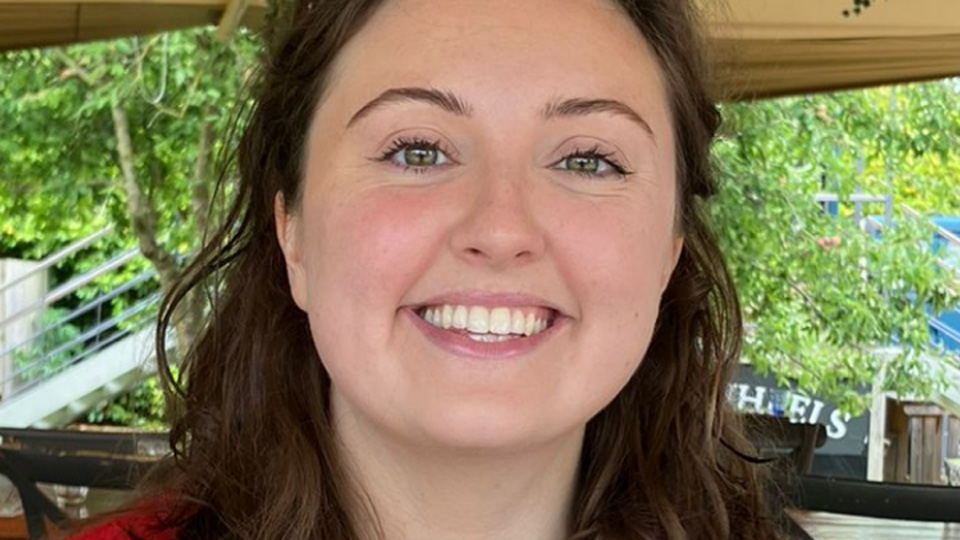
“In a domiciliary setting, having anyone who is house-bound receive NHS funding for a home visit, irrespective of their age, would be something I’d like to see fully funded.”
Read Ciara’s Decoding domiciliary reflections in The Money matters edition, and online now.
Desislava Pirkova, practice owner, qualified dispensing optician, and optometry student
Featured in: How I got here
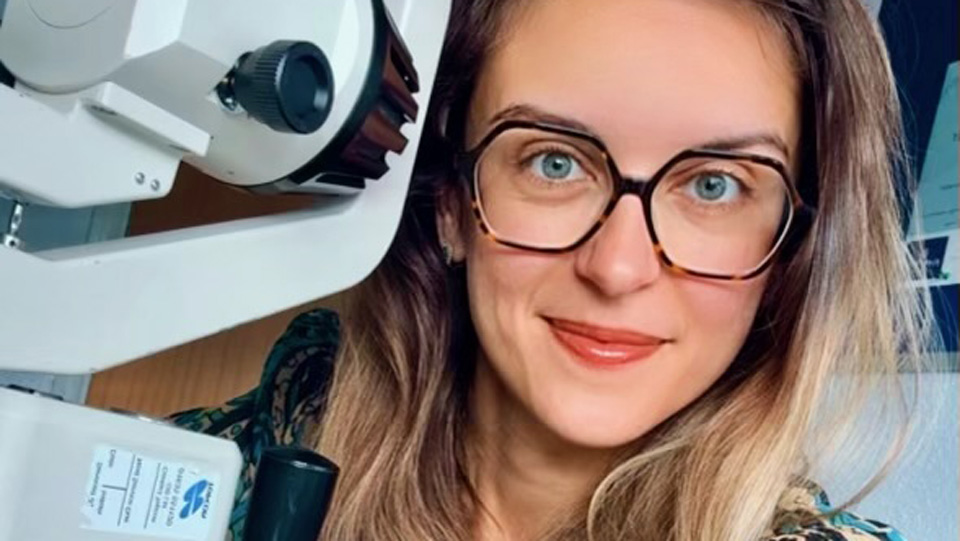
“Diagnostic tools such as optical coherence tomography (OCT) and Optomap, which greatly enhance our work as professionals [should be funded]. They provide deeper insights into a patient’s condition, allowing us to detect issues years before symptoms or signs appear. Additionally, these tools help us triage more effectively, ultimately saving time for hospitals.”
Read Desislava’s How I got here career journey in The Money matters edition, and online now.
Amina Bi, locum optometrist
Featured in: Life as a locum
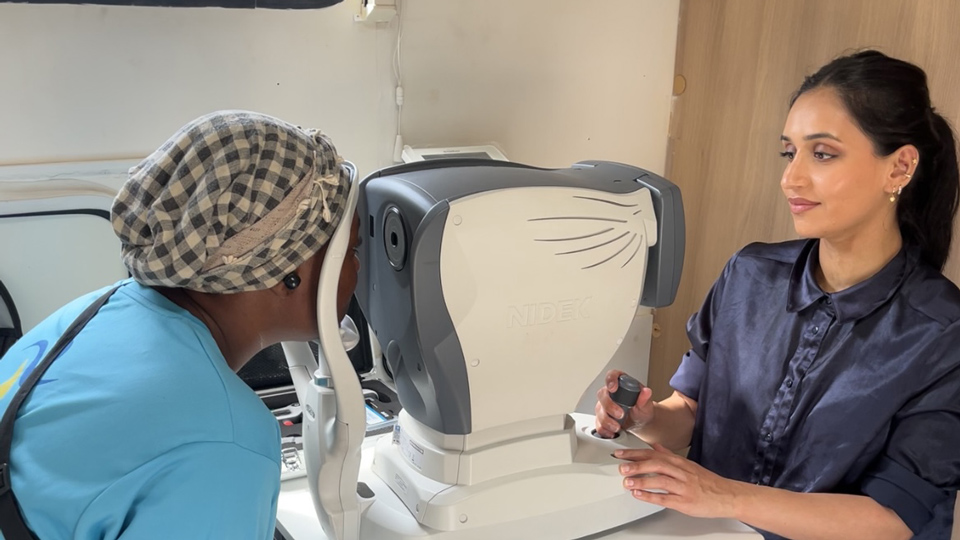
“It would be great if practices could eventually move over to making OCT free for all patients over a certain age. I often find patients who would benefit from doing OCT in store may decline because they are seen by the hospital, and OCT is most likely done there.
“I can understand their point of view, but it would be great to also have a clinical timeline of OCT in practice too. I’ve seen some stores have reduced the price of OCT and it does seem to have led to a bigger uptake. I think if it was fully funded, people wouldn’t decline having it done.”
Read Amina’s Life as a locum reflections in The Money matters edition, and online now.
Habeeb Rahman, pre-reg optometrist at James Bontoft Optometrist and East Lancashire Hospitals NHS Trust
Featured in: Pre-reg focus
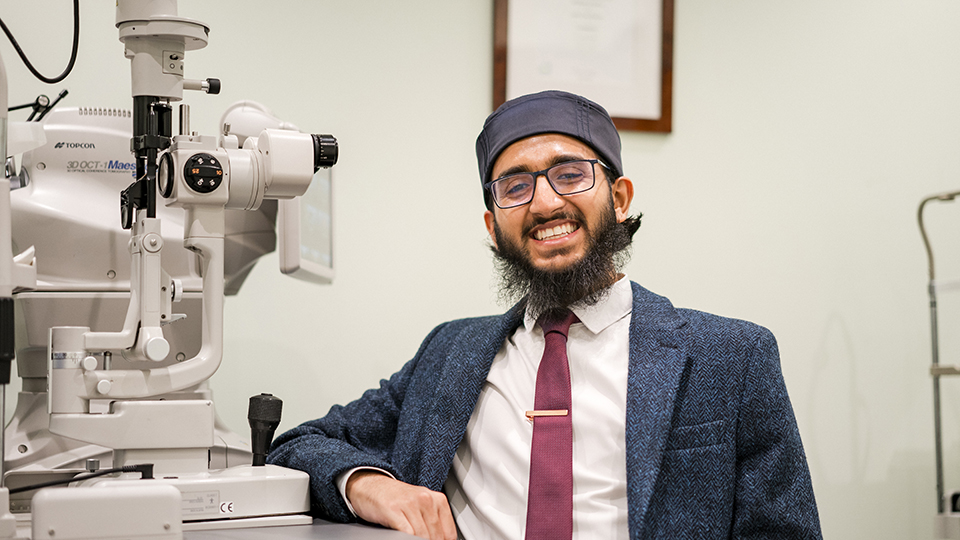
“Many practices still lack access to advanced diagnostic technology, such as OCT, due to cost. However, this technology is vital for early diagnosis. Fully funding these technologies would enhance diagnostic accuracy and reduce the burden on the NHS by decreasing false positive referrals and enabling more precise monitoring of diseases like macular degeneration and glaucoma.”
Follow Habeeb’s Pre-reg focus journey in The Money matters edition, and online now.
Neil Hilton, senior IP optometrist and director of five Hakim Group independent practices in Merseyside and Cheshire
Featured in: A conversation about...
.jpg?rev=b029869b91ce478690c1f5b740265d48&hash=EEB8178C8EC14D185443D09A2B81B50E)
“For me, myopia management would be the one thing I would love to see fully-funded in practice. Not only would we be helping countless children and changing their lives, but in the long term we would also be helping the NHS with the ever-increasing workload burden.”
Read Neil’s A conversation about... reflections in The Money matters edition, and online now.
More OT asks...
-
 What will be the most important skill for those graduating in optometry in five years’ time?
 -
 What is your number one tip for handling stress in the workplace?
 -
 What is the one thing that you would change to better serve your older patients?
 -
 What is the next step you plan to take to upskill your career?
Comments (0)
You must be logged in to join the discussion. Log in