


22 October 2024
Contributors to OT’s Life in practice section for the October/November edition answer a burning question. This time, we are thinking about the top skills that will be required of the future optometry workforce.
Rebecca King, optometrist-director at See to it Opticians
Featured in: Decoding domiciliary
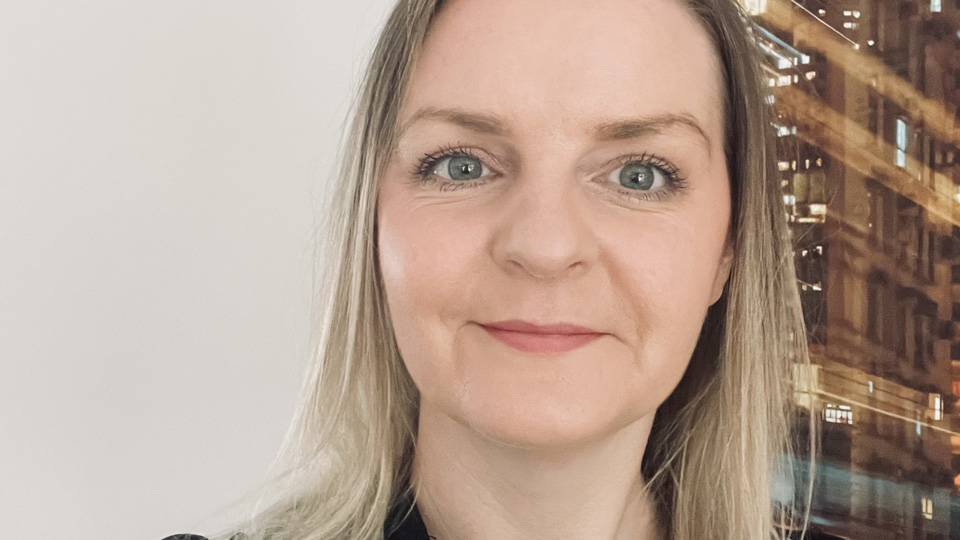
Read Rebecca’s Decoding domiciliary reflections in the October/November print edition, and online now.
Andrew Bridges, director of professional services at Leightons Opticians and Hearing Care
Featured in: How I got here

“There’s currently a postcode lottery, where you can have a local scheme, be it glaucoma, MECS, or low vision. The patient might be eligible for the scheme, but if they live two miles down the road, they may not be. Equalising that care is absolutely vital to helping support the shortage of ophthalmologists, and the stress and strains on ophthalmology departments. If more straightforward cases can be managed in the community, it means specialist resources and knowledge can be utilised to treats conditions like glaucoma.”
Read Andrew’s How I got here career journey in the October/November print edition, and online now.
Niraj Patel, locum optometrist
Featured in: Life as a locum

“Within the role of a resident optometrist, things are developing, and you’ve now got MECS, post-cataracts, and glaucoma refinement schemes. It’s important to understand that things are going to change. You need to evolve how you do things, equipment-wise, as well as with your systems and techniques.”
Read Niraj’s Life as a locum reflections in the October/November print edition, and online now.
Remlah Issa, optometrist at Moorfields Eye Hospital (formerly Royal Stoke Hospital)
Featured in: You had me at hospital

“I’m relatively newly-qualified, but still very guilty of hanging on to clinical skills I learnt at university, when there are new ways of practice that I could be taking advantage of. But optometry is ever-changing, and the only way we can continue to give our patients the best and most up to date care is to adapt to these advances and make an effort to keep up with modern practice.”
Read Remlah’s You had me at hospital reflections in the October/November print edition, and online now.
Cat Cooper, optometrist-director at Specsavers Arbroath
Featured in: Day in the life of a business owner
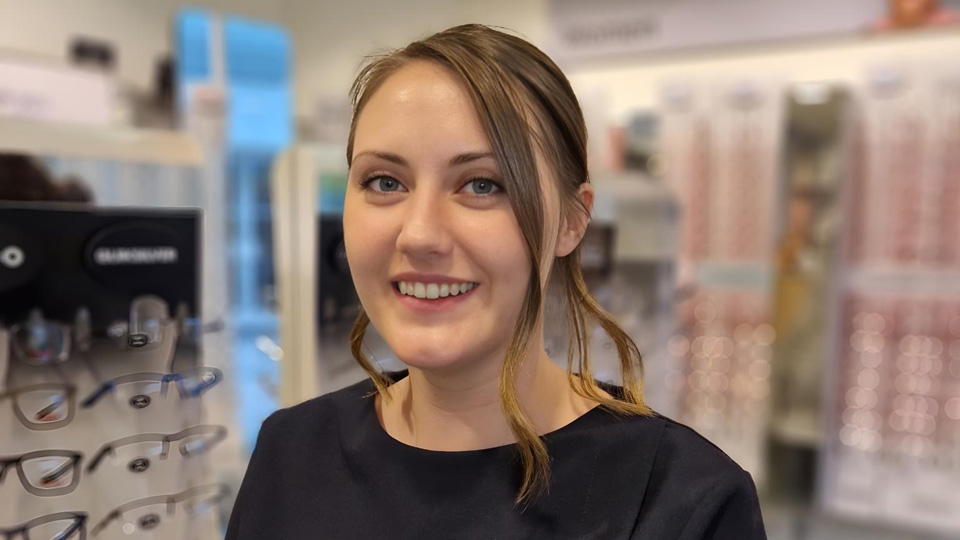
Read Cat’s Day in the life of a business owner reflections in the October/November print edition, and online soon.
Habeeb Rahman, pre-reg optometrist at James Bontoft Optometrist and East Lancashire Hospitals NHS Trust
Featured in: Pre-reg focus
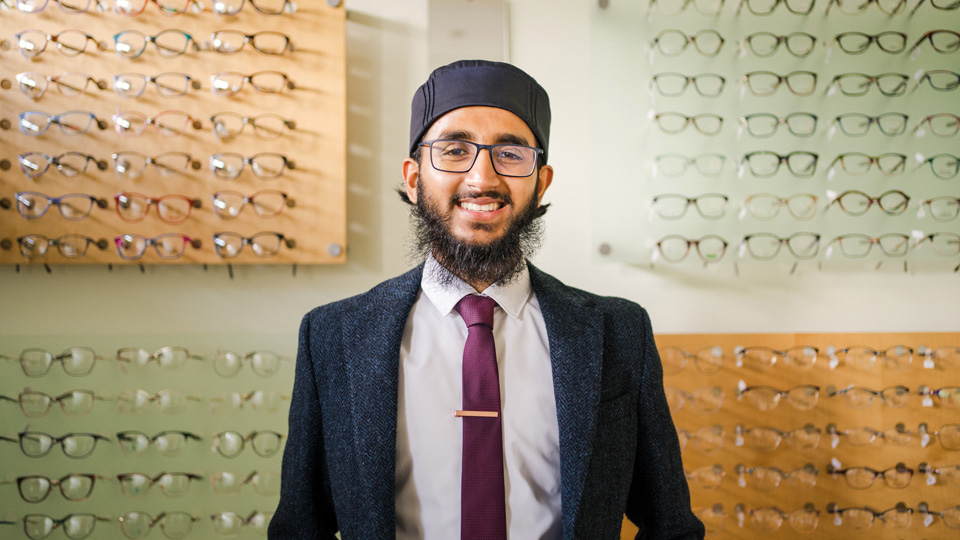
“It’s an exciting time – being able to do more for patients and prescribe medications to manage a wider range of conditions will allow us, as optometrists, to provide more comprehensive care.”
Follow Habeeb’s Pre-reg focus journey in the October/November print edition, and online now.
Poonam Odedra, senior optometrist at Boots Opticians
Featured in: A conversation about...

Anna Warner, head of optometry at Gloucestershire Hospitals
Featured in: A conversation about...
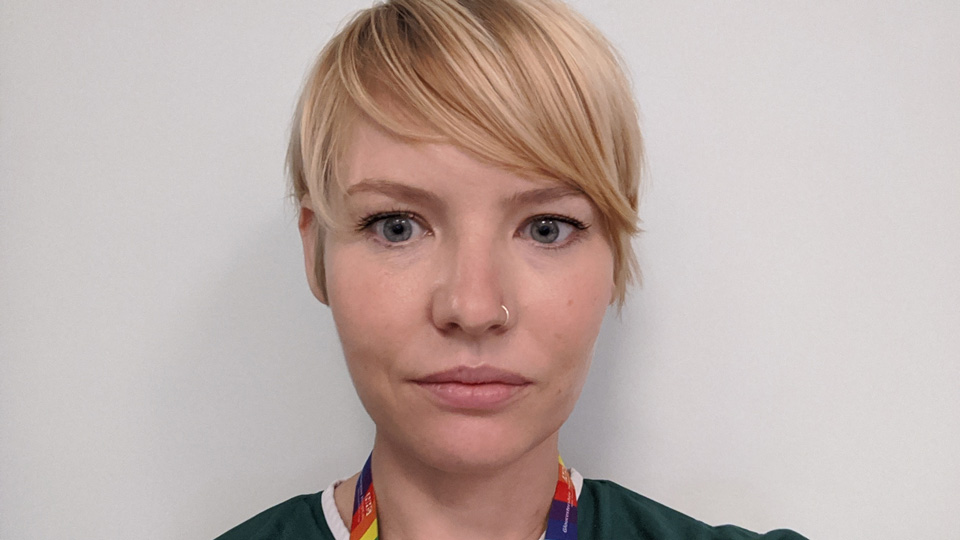
Read Poonam and Annas’ A conversation about... reflections in the October/November print edition, and online soon.


Comments (4)
You must be logged in to join the discussion. Log in
Anonymous27 October 2024
Quick sight tests and high conversion rates
ReportLike135
John Gurney23 October 2024
Easy-extend it to 7 years - first 3 optometry covering refraction low vision,CL etc( those that exit here become entry level optometrists(Bsc).
For the others that wish they continue for another 4 years in medical community ophthalmology.
Students to exit after these extra 4 years with non medical Doctorate,Dip Glauc and IP qualified ,able to perform injections, minor surgery and ops and all forms of ophthalmic laser procedures. Thier training should include 18 month residency under glaucoma , med retinal,VR and acute emergency eye ophthalmology consultants and be signed off by all in terms of compitance to pass.
It took me 15 years off my own back with my own money and effort to atain to that level.
ReportLike141
Anonymous23 October 2024
IP should have been incorporated into Optometry Degrees years ago.
ReportLike143
Anonymous23 October 2024
Optometrists have been under utilized in the Health System for decades.
Should be upskilled in IP ,FB removal and shared care.
However, the NHS payment for providing these services are so poor.
Optometry Practices generally are not charging enough for their clinical service.
An Optometrist can help save somebody's vision but be the fee remuneration is often less than would be charged by an apprentice hairdresser.
Optometry had become high volume sight testing with conversion rate becoming the most important factor.
ReportLike145