


01 April 2025
Through the years of exam prep, the long nights of studying, and the busy days in practice, it is a goal to hold onto: that first day as a qualified optometrist.
The achievement is a milestone marking the beginning of a career journey, and it can bring both satisfaction and pride, and a weighty sense of responsibility.
OT asked optometrists to reflect on their first sight tests after qualifying, to share how they felt, what they learned, and any advice for newly-qualified optometrists who might be in the same boat.
"The responsibility of providing expert care to patients remains consistent”
Oran O'Connor, optometrist, qualified 2024
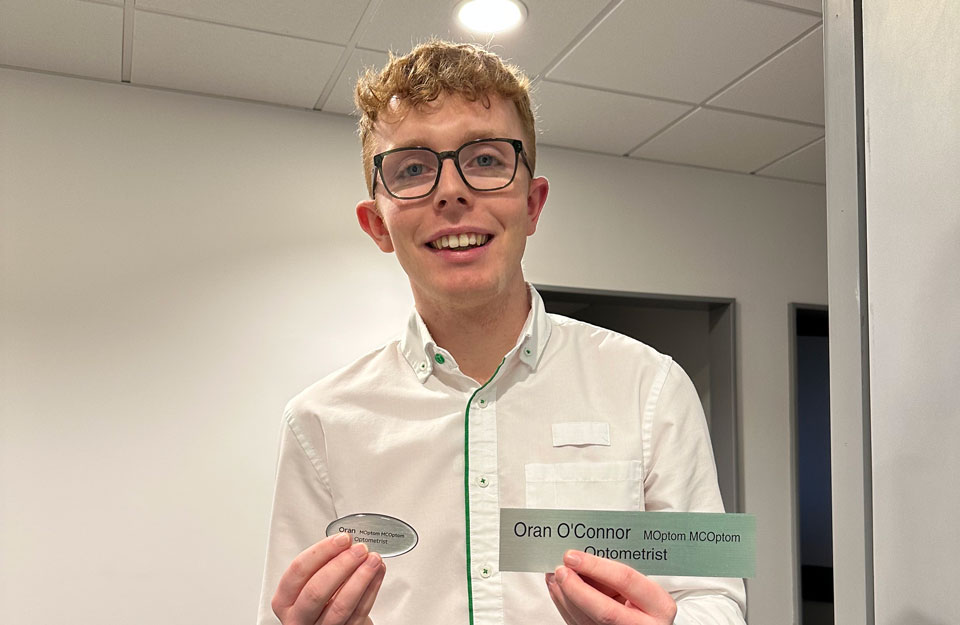
“Entering my first sight test as a fully qualified optometrist was both exciting and a little nerve-wracking after all the training and support of my colleagues. Naturally, I felt some anxiety over being solely responsible for the final decisions. However, my apprehension proved unwarranted, as the test proceeded smoothly without any unexpected challenges.
“Reflecting on the transition to being fully qualified, the fundamentals of the job don’t change. The essential responsibility of providing expert care to patients remains consistent.
“My key recommendation for newly-qualified optometrists is to build strong relationships with colleagues. At Specsavers, I am fortunate to have dependable colleagues whom I can consult when necessary. This professional network, composed of trusted optometrists, can help with clinical decision-making and bolsters your confidence.”

Something else you might like
Read more about Oran’s journey to qualification
"We are all continually learning from our experiences”
Josie Evans, optometrist and AOP Councillor representing employees of independent practices, qualified 2018
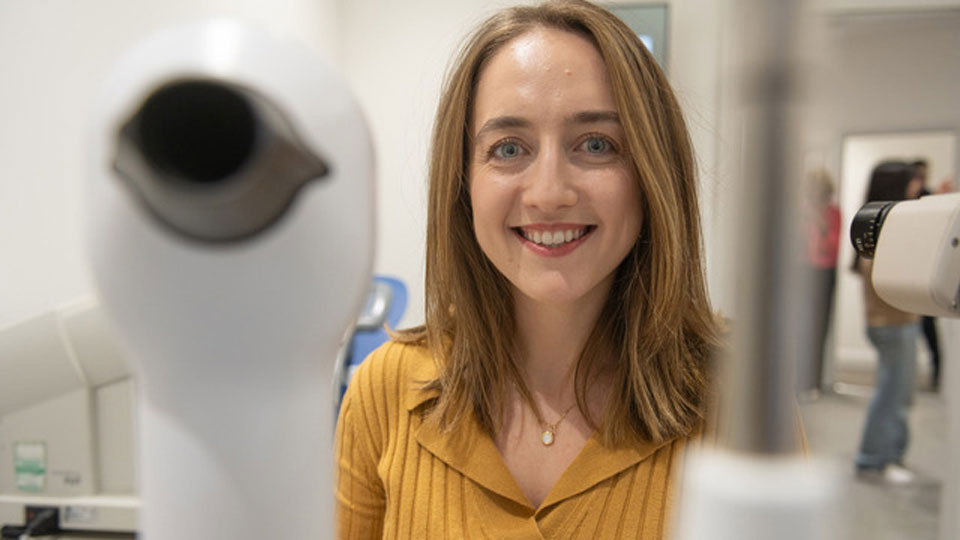
"My first day as a qualified optometrist was in summer 2018 and my first patient was a plano teenager, which was a very gentle welcome into qualified life. That first week felt different; I had done it, I was qualified. Four years of studying had led to this point.
“I enjoyed the responsibility of examining patients under my own name – it felt empowering. I think the weight of that responsibility made me more careful and thorough, and also eager to improve. Some of the patients I met in that first year are still my patients now, which is special.
“Even though you are qualified, you are not expected to know everything, and you can, and absolutely should, ask for second opinions from colleagues. We are all continually learning from our experiences and it is important to utilise the support system around you.”
"I remember it being really daunting”
Roshni Kanabar, optometrist and AOP clinical advisor, qualified 2013
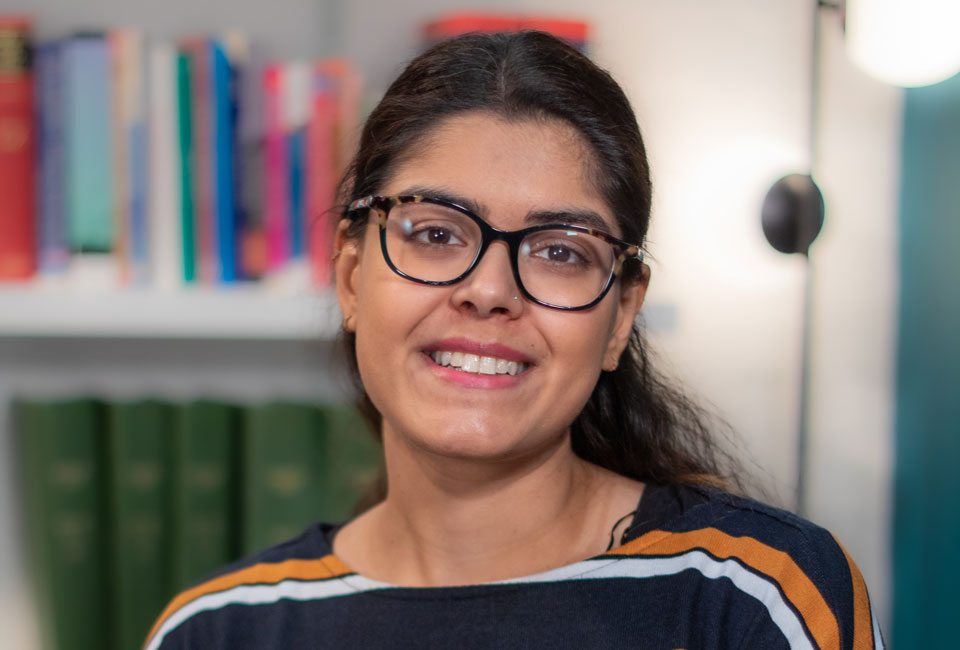
"I did my pre-registration with Boots Opticians and as soon as I qualified I was thrown straight into the deep end as a mobile optometrist. At the time I remember it being really daunting as I was in a different store every day, getting used to new equipment and suddenly expected to test every 25 minutes and make clinical decisions on my own, without the safety net of my supervisor or the comfort of my familiar consulting room.
“I remember at the time feeling overwhelmingly anxious and stressed, often commuting to new places and hoping I wouldn’t get lost on the way, or that I had calculated enough time to reach the practice and find parking.
“The best advice I can give is to remember, at the end of the day, it is just a sight test – the same as what you have been doing up until this point. It may be a different consulting room, but you can reach the practice early to familiarise yourself with the equipment or arrange to visit the practice beforehand. The key is to plan ahead and research your route in advance.
“If there are other optometrists in the practice or company, speak to them and let them know you are newly qualified. Most of the time they are helpful and friendly. If you are unsure of how to manage a patient you have a few options. You could ask another optometrist in the practice for a second opinion, you could look at the College of Optometrists’ guidance, or you could even see if we can assist you at the AOP.”
"When the L-plates came off, the transition from student to registrant felt more symbolic than anything”
Dr Ian Beasley, AOP head of education and OT clinical editor, qualified 1997
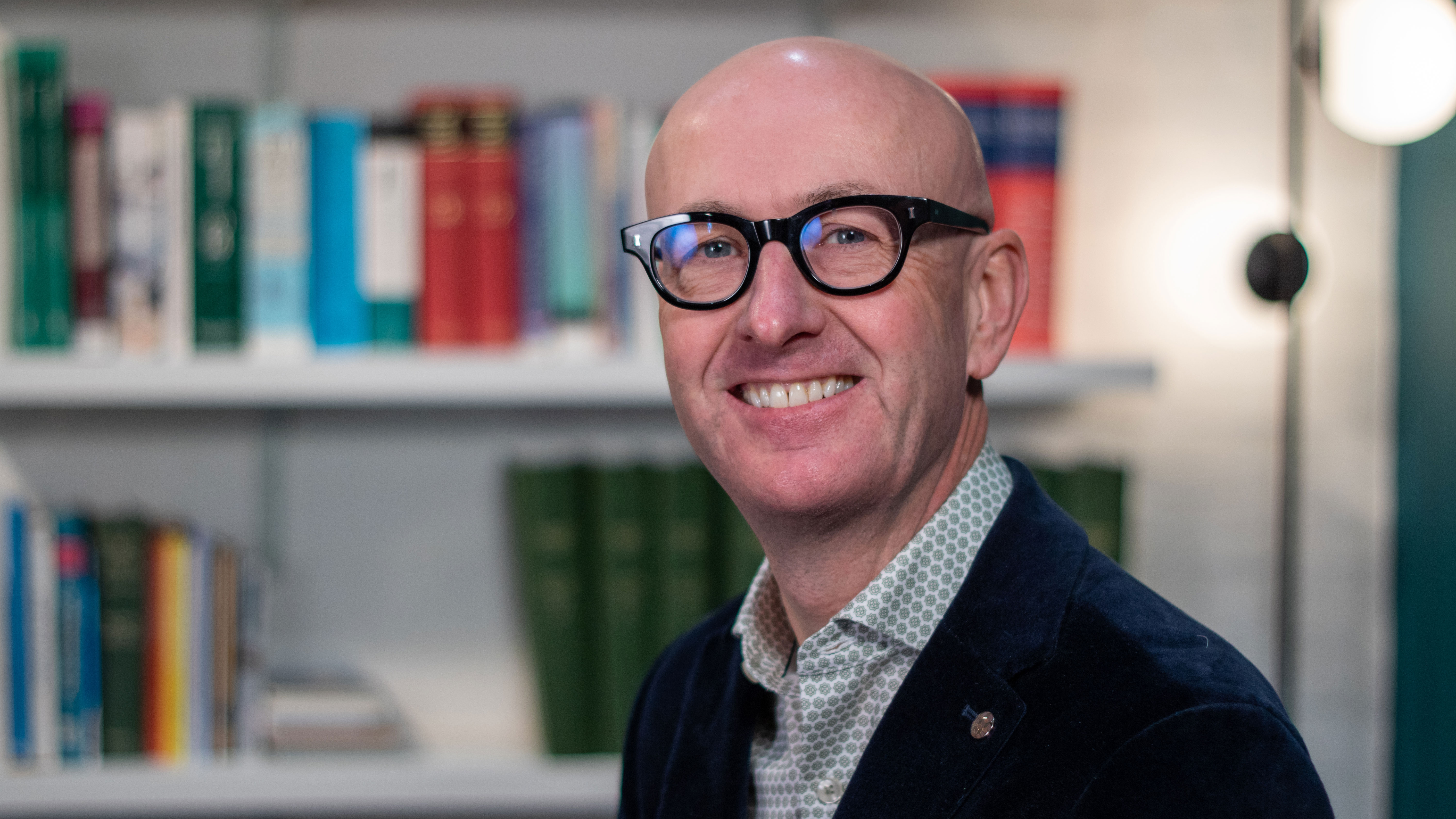
"If you felt inclined to check my entry on the General Optical Council (GOC) register, you’ll note a lengthy journey back in time to when I completed my first sight test as a qualified optometrist – almost 28 years ago, in fact. In many ways, it feels like yesterday.
“When the L-plates came off, the transition from student to registrant felt more symbolic than anything. While it was my signature on the bottom of the general ophthalmic services forms, with full responsibility for my own patients, I remained at the same practice while I continued to build and consolidate my skills – safe in the knowledge there was always another optometrist to call upon in the room next door. Understanding the foibles of the practice team members, familiarity with the consulting room equipment, and awareness of the quirks of the practice systems made the step from ‘pre-reg’ to ‘reg’ relatively seamless.
“Nowadays, there appears to be a swathe of intrepid souls who migrate from pre-reg to fully-fledged locum without a flinch – a reflection of the times perhaps? When I qualified back in 1997, I didn’t own a mobile phone, let alone have access to the internet, advanced clinical imaging, and artificial intelligence tools to help support my clinical decisions. Nevertheless, I sense that even if I qualified in today’s era, I would still crave the need for a comfort blanket, at least for a little while.”


Comments (0)
You must be logged in to join the discussion. Log in