


01 April 2025
Each year, an estimated 1000 optometry students qualify and join the General Optical Council register as full-fledged practising optometrists. While they have successfully surpassed a range of hard-earned milestones, from university graduation, their objective structured clinical examinations, and a range of patient episodes and competencies in between, for some the feeling of excitement may be mixed with trepidation as they enter the testing room and perform an eye examination on their first patient unsupervised.
OT spoke to four optometrists to find out what they wish they knew as a newly-qualified optometrist, and what advice they would share if sitting in a testing room with their newly-qualified self.
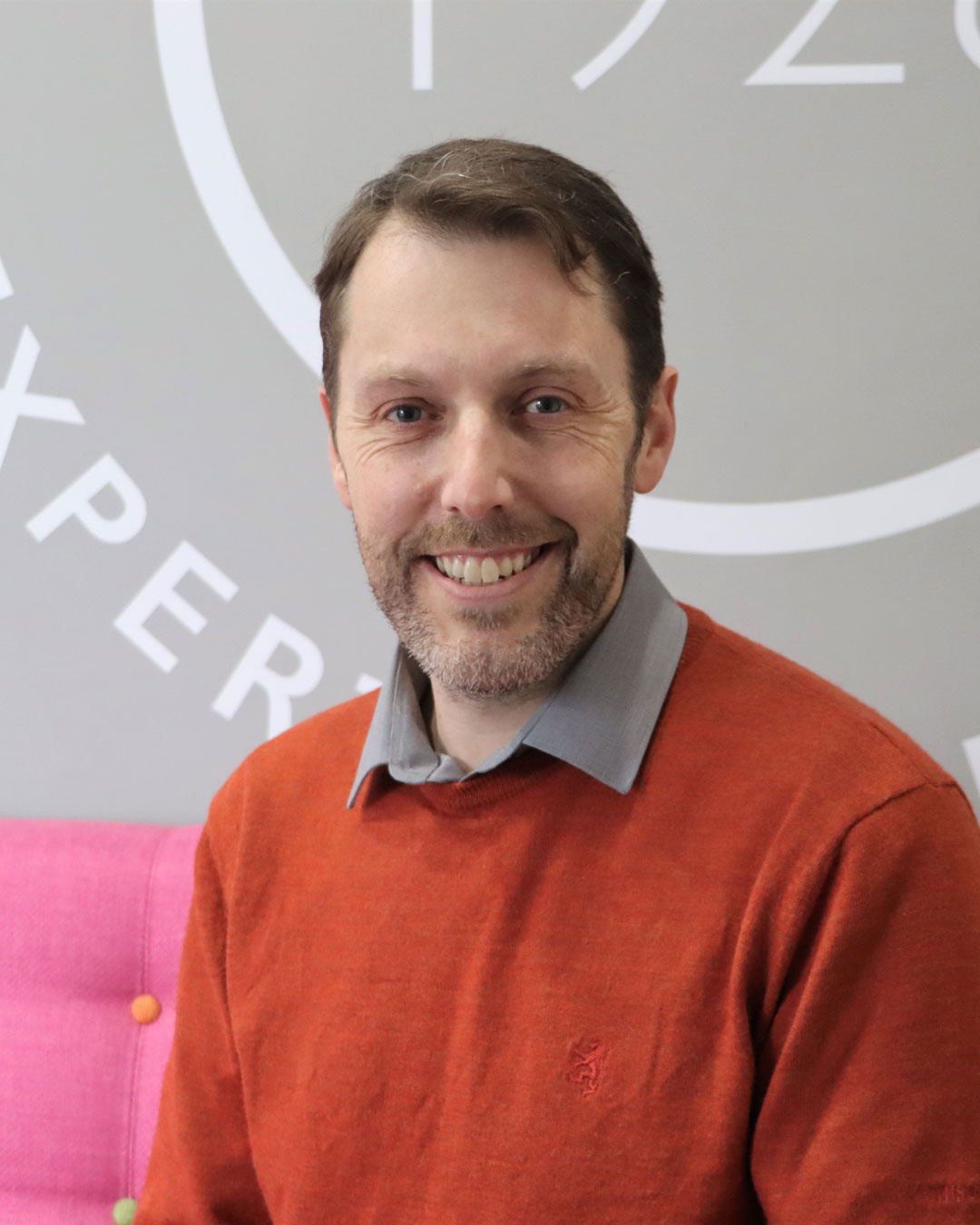
Who we spoke to



OT asked: If you were sitting in a testing room with your newly-qualified self, what is the one thing you wish you could tell them and why?
Iman Chaudhary, a domiciliary optometrist with the OutsideClinic since July 2024
“I would say: ‘Trust yourself more. Starting out as an optometrist can feel overwhelming – every decision carries weight, and it’s easy to second-guess yourself. But remember, you’ve spent years building a strong foundation, and you are more capable than you think. It’s okay to take a moment, breathe, and rely on your training.
“Not every patient will fit the textbook, and that’s where experience comes in. You won’t have all the answers immediately, and that’s fine. Ask questions, learn from your colleagues, and know that growth comes with time.
“Most importantly, be kind to yourself. Mistakes and challenges are part of the journey, not a reflection of your ability. Confidence doesn’t come from never being unsure – it comes from learning, adapting, and pushing forward.”
Jag Singh, optometrist and head of clinical proposition at Newmedica
“Invest in both professional and personal growth. It’s beneficial for optometrists to be recognised as eye care experts by the public. Professional development can enhance personal satisfaction and assure patients that we are providing the highest standards of care. Increased knowledge leads to greater confidence in your clinical abilities, improving decision-making and patient care.”
Be kind to yourself. Mistakes and challenges are part of the journey, not a reflection of your ability. Confidence doesn’t come from never being unsure – it comes from learning, adapting, and pushing forward
Luke McRoy-Jones, optometrist
“Qualifying as an optometrist is just the beginning. While it comes after many years of studying, assessments and hard work, the learning never stops, no one knows everything, but you’re never alone.
“Qualifying in some ways, I feel, relates to passing your driving test. In one way, it’s a fantastic feeling to qualify: the feeling of introducing yourself as an optometrist (and not a trainee) and being completely responsible for the management of the patient can be really exciting, and signifies all that hard work and determination. However, it can also feel quite daunting at first too. If I think back to the first time I got into a car by myself after passing my driving test at 17, having the seat next to me empty for the first time was daunting.
“After university and pre-registration, qualifying can feel like a big step where you feel that support around you is removed. Yet the reality is that the support is never removed. It’s okay to ask colleagues for opinions, help and advice whenever you need it. I’ve learned so much in my career so far from the amazing colleagues who I’ve had the pleasure of working alongside.”
Murray Reyburn, clinical services optometrist at Leightons Opticians and Hearing Care
“I’d tell myself to ask myself everyday: ‘If I was a line manager, what behaviour and attitude would I appreciate in an optometrist?’ Then I’d get out there and be that optometrist. Strive for clinical excellence, help when it’s not actually your responsibility to help; be positive in the face of grumpiness. This buys you credibility. When you are the optometrist who you’d love to manage yourself, your career prospects will improve immeasurably, and your line manager will move heaven and earth to help you out.”
The reality is that the support is never removed. It’s okay to ask colleagues for opinions, help and advice whenever you need it
OT asked: What is the one thing you wish you knew as a newly qualified optometrist and why?
Jag Singh, optometrist and head of clinical proposition at Newmedica
“One of the biggest lessons I wish I knew earlier is that success doesn’t happen overnight. It’s easy to get caught up in comparing your journey to others, but it is important to remember that everyone moves at their own pace. Focus on continuous improvement. You don’t need to have your entire career path planned out as the clinical skills and knowledge you develop today will often create opportunities you can’t foresee yet. It’s important to stay curious and keep learning.”
Luke McRoy-Jones, optometrist
“That you’ll have good days and have challenging days, and the challenging days are by no means a reflection of you or your ability. Working in practice, in a clinical and healthcare environment with patients, there are always days that are more challenging than others. As a newly-qualified optometrist, it’s very easy to take these days personally when they occur. But, even in these challenging days, you will still make a difference to your patients’ lives and they’re not a reflection of you.”
It’s easy to get caught up in comparing your journey to others, but it is important to remember that everyone moves at their own pace
Iman Chaudhary, a domiciliary optometrist with the OutsideClinic since July 2024
“I wish I knew that optometry is more than just refraction and eye health – it’s about people. As a newly-qualified optometrist, I focused so much on clinical accuracy that I sometimes overlooked the importance of patient communication. A great eye examination isn’t just about finding the right prescription or detecting pathology; it’s about making patients feel heard, understood, and reassured. Some of the most valuable lessons come not from textbooks, but from real conversations with patients. Learning to listen, explain, and empathise makes a bigger impact than just getting the prescription spot on. Skills improve with time, but patient trust is built through connection.”
Murray Reyburn, clinical services optometrist at Leightons Opticians and Hearing Care
“I wish I’d been taught more about the intersection between brilliant patient care and commercial success. You emerge from university with loads of clinical knowledge, some patient exposure, and very little understanding of the business side of High Street optometry. Improving your knowledge of the financial management of an optometric practice is an important tool. When you know where the pressure points are in an optometric practice financially, you can invest in your practice in ways that support patient care well, which ultimately takes care of the commercial side.”
Learning to listen, explain, and empathise makes a bigger impact than just getting the prescription spot on. Skills improve with time, but patient trust is built through connection
OT asked: What is your one piece of wisdom for optometrists qualifying today?
Iman Chaudhary, a domiciliary optometrist with the OutsideClinic since July 2024
“My advice to newly-qualified optometrists is: focus on building rapport with your patients. Clinical skills are essential, but how you communicate and connect is just as important. A patient who trusts you will have confidence in your care, even if you’re still finding your feet.
“Take the time to listen, explain things clearly, and show empathy. Small gestures – like remembering a patient’s concerns or using simple, reassuring language – go a long way. Confidence doesn’t come from having all the answers; it comes from making patients feel valued and understood. Build trust, and your confidence will naturally follow. Be yourself.”
Jag Singh, optometrist and head of clinical proposition at Newmedica
“Don’t underestimate the importance of networking – build relationships with other optometrists, dispensing opticians, contact lens opticians and colleagues in secondary care. Attend conferences and CPD events and join optometry groups where you can learn from others. Many of the working relationships I’ve developed over the past nine years have not only opened doors for future collaboration, but have also helped me to stay motivated and inspired as an optometrist.”
Embrace opportunities, education and technology. However, at the same time, maintain a good balance and don’t take on too much too quickly or overwhelm yourself
Murray Reyburn, clinical services optometrist at Leightons Opticians and Hearing Care
“Cultivate an observant mindset – watch, ask a question and listen.When you think you’ve done that enough, watch some more, ask some more questions and listen more. This applies to both the patients who we interact with, and your colleagues, boss or practice manager. Patients appreciate being heard and by asking the right questions throughout the examination, the correct clinical outcome and optometric solution is much easier to achieve. Your store manager and supervisors all have pressures that you don’t know about or see, and by watching, asking questions and listening you will develop great relationships with them, and learn where and how to help. That in turn leads to long-term satisfaction.”
Luke McRoy-Jones, optometrist
“Embrace opportunities, education and technology. However, at the same time, maintain a good balance and don’t take on too much too quickly or overwhelm yourself. Optometry, as a profession, is continually evolving positively in a clinical direction, with continuous opportunities for optometrists to become involved in shared care, enhanced procedures and prescribing, with an array of qualifications on offer to complement this. However, pacing yourself and having interests and outlets aside from work allows for a good work-life balance. Having this balance is integral in the long-term, for the benefit of yourself and your patients.”


Comments (0)
You must be logged in to join the discussion. Log in