


21 September 2026
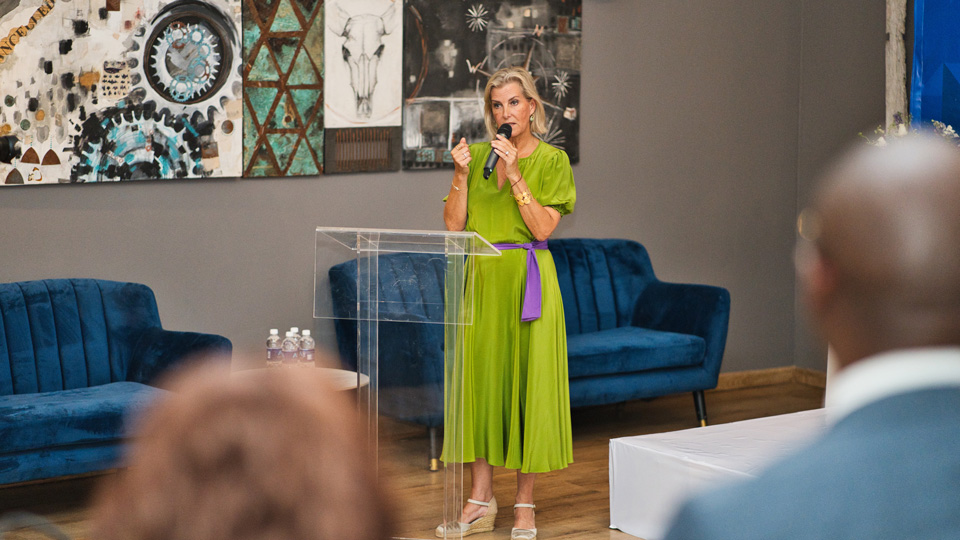
The Duchess of Edinburgh travelled to Zambia last week (14 September) to raise awareness of the need for greater eye health resources globally.
The Duchess was hosted by the International Agency for the Prevention of Blindness (IAPB) in Lusaka, the capital of Zambia, alongside Orbis and Sightsavers.
The trip was designed to build momentum towards ending avoidable sight loss worldwide.
Zambia has made significant progress in addressing avoidable sight loss over the past decade, including expanding cataract surgery services, increasing specialist training, strengthening community-based care, and making substantial progress towards eliminating trachoma, Orbis said.
With more than 60% of Zambians living below the poverty line, however, the charity noted that challenges to accessing eye care still remain.
Lucia Mvula, country director at Orbis Zambia, said: “At Orbis, eye health is about more than treatment; it is about enabling people to learn, work, live independently and reach their full potential.
“Across Zambia, many people still live with avoidable or treatable vision loss. Through the eye health consortium, we work closely with the Government of Zambia, led by the Ministry of Health, and our partners to prevent sight loss and expand access to care.”
Mvula added: “Challenges remain, and we must continue working together to end avoidable blindness and make affordable eye care accessible to all.”
The Duchess, who is a global ambassador for the IAPB, also met government leaders and local healthcare professionals whilst in Zambia.
The importance of eye care in supporting education and economic opportunity was highlighted during the visit.
The Duchess said: “If a child can’t see, they drop out of school. If they can’t see, their life chances are drastically reduced. If somebody can’t see in the home, they can’t sustain themselves, [or] their families.
“I used to say that, actually, eye health was life-threatening. I still believe it is. I’ve met people who live on the streets because they cannot live with their families anymore because they feel that they’re a burden. And so, they leave and take themselves away. So, I place it at a high priority: eye care for all.”
Working towards the elimination of trachoma
The Duchess also visited a Sightsavers programme addressing trachoma whilst in Zambia.
Sightsavers Zambia country director, Glenda Mulenga, said: “People living with advanced trachoma describe the pain as like having sand or thorns constantly scratching their eyes. Left untreated, it can lead to irreversible blindness, affecting people's ability to work, earn an income and attend school. Yet trachoma is preventable and treatable, making its elimination an achievable goal.
“The Duchess of Edinburgh’s visit is an opportunity to recognise the leadership and commitment shown by the Government of Zambia, communities and health workers in tackling trachoma.”
Mulenga added: “Zambia has made significant progress, and we hope that sharing our experience will help encourage and inform efforts to eliminate trachoma across the region.”
The Duchess’ visit came ahead of the world's first Global Summit for Eye Health, which will be held in Antigua and Barbuda on 2 November and will aim to facilitate action and secure the commitments needed to help people across the world access the eye care they need.
More than 1.1 billion people worldwide live with sight loss and more than 90% of cases are preventable or treatable, Sightsavers said.


Comments (0)
You must be logged in to join the discussion. Log in