


01 September 2026
Dr Anish Jindal holds a number of roles across hospitals and academia, he is an honorary associate professor at University College London (UCL), deputy programme director for the MSc optometry and ophthalmology advanced clinical practice programme, and leads across several modules.
Outside of academia, Jindal is a principal optometrist at Moorfields Eye Hospital NHS Foundation Trust and a consultant optometrist at the Phoenix Hospital Group – roles that utilise his clinical expertise in acute eye care, glaucoma and external diseases.
Now, he can add another accolade to his long list of roles, following recognition as a Principal Fellow of the Higher Education Academy by Advanced HE. He is the first optometrist to attain this at UCL.
The professional title recognises national excellence in teaching, strategic impact and leadership within, across and beyond academic institutions.
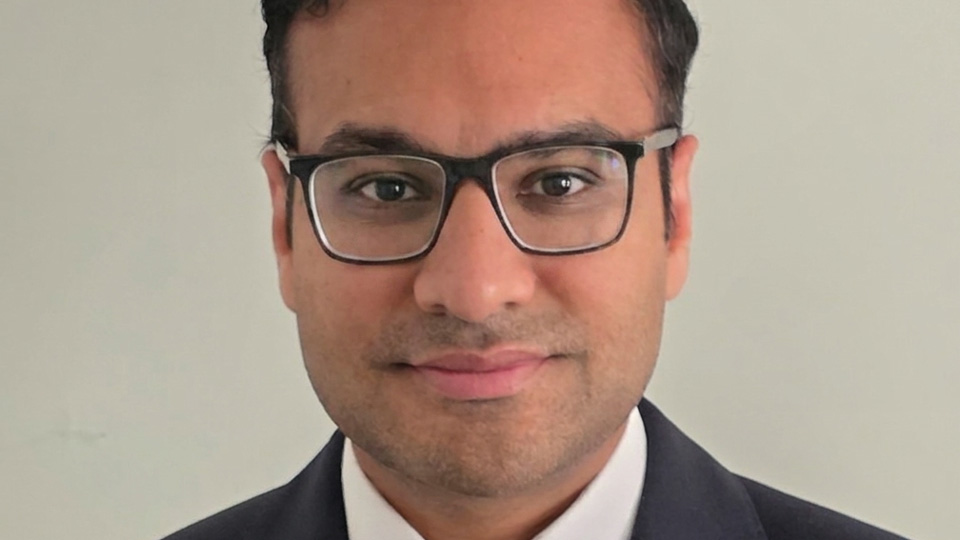
Reflecting on what the recognition means for him personally, Jindal told OT: “I’ve been working as an optometrist for more than 20 years, where education has been a major factor in my clinical, research and leadership roles, which have supported students, professionals and patients in their delivery and understanding of eye care.”
He added: “It’s incredibly gratifying that my work has had an impact with a whole range of healthcare professionals, and that this work has been recognised.”
Speaking to OT, Jindal said that the recognition encourages him to drive forward further education and work to his strengths in developing education and improving access.
Jindal shared how driving collaborative partnerships and working relationships across institutions with clinicians, academics, strategic leads, students, educators, clinicians, and managers, has played in bringing many projects and initiatives to fruition.
“These projects wouldn’t have happened without their hard work, and I’m very humbled to be given this award,” he said.
Accreditation and collaboration
The panel awarding the fellowship particularly commended Jindal’s work across transformative accreditation initiatives.
This included Jindal’s work in the role as joint associate director for education across UCL and Moorfields Eye Hospital between 2022 and 2024, during which time his work led to UCL achieving its first Nursing and Midwifery Council (NMC) institutional accreditation for undergraduate and postgraduate programmes.
Building on his experience of the NMC accreditation and collaborative partnerships, Jindal secured the first NHS England ACP accreditation for adult ophthalmology in 2025 for the Master’s programmes at UCL.
Asked to identify some key learnings from the many projects in which he has been involved, Jindal reflected on the “huge learning curve” involved in accreditation.
He explained that grasping the opportunities that came his way has taken him out of his comfort zone.
“I learned so many things through that process which was very beneficial to subsequent accreditations and quality assurance,” the optometrist said.
The knowledge and experience gained in each of the projects he has developed, has ultimately led to new opportunities and roles.
“These projects enhanced my collaborative leadership skills and, in doing that, has influenced everything I’ve done in research, scholarship, and clinical activities,” Jindal said.
As the MSc module lead for ocular emergencies, Jindal led in the development of the first UK acute eye care modules, which were aligned to the Royal College of Ophthalmologists Ophthalmic Practitioner Training Framework and the NHS England Advanced Clinical Practitioner Framework.
Using his specialty in glaucoma, Jindal explored how education intervention in primary angle closure referrals. Through this, he coordinated the development of accessible education packages with Moorfields Learning and provided lectures to over 700 optometrists between 2023 and 2025.
The education package supported the reduction of angle closure glaucoma referrals in London and has been integrated into higher education institutions.
Life lessons
Reflecting on the recognition as Principal Fellow of the Higher Education Academy, Jindal said his biggest learnings are: “If you want something, don’t give up and don’t underestimate the power of collaboration.”
“It is very easy to do things by yourself and get trapped in a silo. This process has broadened my ability to network and work with others to deliver impactful outcomes for healthcare professionals,” he added.
“Optometrists usually come out from university very clinically focused, which is amazing. But I definitely see there is scope to develop research and education,” Jindal said.
This supports the NHS England focus to develop advanced practitioners among healthcare providers
Jindal said: “If you excel in research, that will influence your practice and then you can support others through education and lead. When we look at medical professionals, that training is within the undergraduate curriculum.”
This is evolving as an opportunity with the ACP programmes offered by higher education institutions.
With a growing number of optometry schools and more practitioners coming through, supporting leadership is going to be crucial, Jindal suggested.
“I think it is even more important that we have leaders in research and education, as the skills of optometrists and ophthalmic professionals evolve, they can then mentor and support the evolving cohorts leaving university who will then go on to transform the workforce and deliver excellent patient care,” he said.
Jindal said: “I think that is where the future will lie – in taking on further courses, broadening the professional remit, networking and collaborating. It not only nourishes yourself, but others as well.”


Comments (0)
You must be logged in to join the discussion. Log in