


23 July 2026
In recognition of Dry Eye Awareness Month, OT approached experienced eye care professionals during July for their on-the-ground insight and reflections on managing dry eye disease.
From common misconceptions about the condition to the profound effect dry eye disease can have on patients, here OT explores the world of dry eye disease management in 2026.
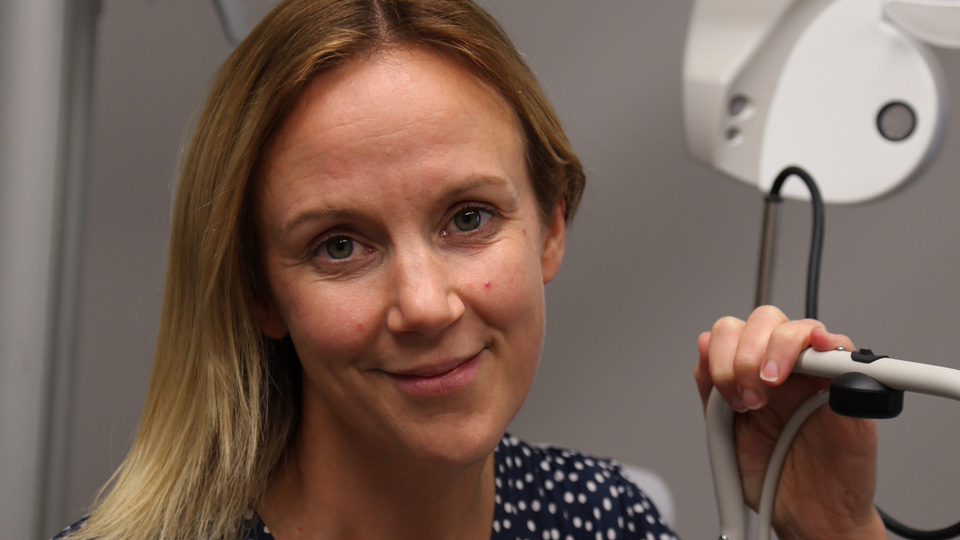
Sarah Farrant, optometrist and co-director of Earlam and Christopher
What do you find rewarding about specialising in dry eye disease?
Dry eye disease is one of the most rewarding areas of practice because you can genuinely transform someone’s quality of life. Many patients arrive after being told to ‘just use drops’ or believing they’ll simply have to live with their symptoms. It’s incredibly satisfying to identify what’s actually driving their disease and develop a personalised treatment plan that makes a real difference, using skills and technology that genuinely transforms their ocular surface.
What excites me most is how rapidly the field is evolving. We’re no longer treating everyone the same way – we’re recognising that dry eye is a complex disease with multiple underlying causes. That shift towards precision and cause-based care is making outcomes better than ever before.
The UK experienced record-breaking hot weather in June. Has this had any effect on the dry eye cases you see in practice? What preventative steps can people take in the heat?
We’ve seen many patients whose symptoms have worsened during the recent hot weather. People sometimes think of dry eye as more significant in winter, but heat can be just as challenging. Higher temperatures increase tear evaporation, while fans, air conditioning, pollen and spending more time outdoors can all destabilise the tear film.
Simple measures can make a real difference: avoid direct airflow onto the eyes, wear sunglasses outdoors, take regular breaks from screens and don’t wait until symptoms become severe before restarting treatment. Consistency is key for people with established dry eye disease.
What misconceptions are held by members of the public and clinicians about dry eye disease? How would you address these views?
The biggest misconception is that dry eye is ‘just dry eyes.’ It’s often viewed as a minor inconvenience when, in reality, it can have a huge impact on comfort, vision, productivity and quality of life.
I also think we’ve mostly moved away from the outdated idea that every patient simply needs artificial tears. Dry eye isn’t one disease – it’s an umbrella term for a range of different conditions. Unless we understand why a patient has dry eye, we’re often just treating the symptoms rather than the cause.
The future of dry eye management is personalised care. Instead of asking, ‘Which drop or hot compress should I use?’, we should be asking, ‘What’s driving this patient’s disease?’ That’s where we can make the biggest difference.
We’ve seen many patients whose symptoms have worsened during the recent hot weather
Mandy Davidson, optometrist at Dolphins Optometrists and medical and professional affairs manager at Scope Eyecare
Why is dry eye disease a professional passion for you?
I'm not sure exactly when my interest in dry eye disease began, but over time I became increasingly aware of the number of patients struggling with symptoms such as ocular discomfort, fluctuating vision, difficulty reading, challenges with driving, and the frustration that often comes when nobody has connected the dots between their symptoms and the underlying cause.
By taking the time to listen and fully understand patients' experiences, I realised that relatively small interventions can have a profound impact on quality of life. What fascinates me about dry eye disease is that it is rarely just about the ocular surface. It can affect confidence, productivity, hobbies, social interactions and overall wellbeing.
Every patient presents with a unique story. Identifying the underlying drivers – whether that is meibomian gland dysfunction, blepharitis, lifestyle factors, medications, systemic disease or environmental influences – allows us to develop a truly personalised management plan.
I am also drawn to dry eye because it is such a rapidly evolving area of practice. Our understanding of the tear film, ocular surface inflammation and disease mechanisms continues to grow, alongside an expanding range of evidence-based treatment options. It is one of the few areas where education can genuinely transform both patient outcomes and practitioner confidence, which is why I have become so passionate about developing and delivering practical, accessible education for eye care professionals.

What emerging dry eye disease treatments are you excited about?
This is a particularly exciting time in dry eye care because we are moving away from a one-size-fits-all approach and towards more targeted management strategies based on the underlying aetiological drivers identified in the TFOS DEWS III Management and Therapy Report.
While I have seen excellent outcomes with technologies such as intense pulsed light and low-level light therapy, I am especially encouraged by the growing focus on treatments that address the inflammatory processes underpinning dry eye disease. We now recognise that dry eye is often a chronic inflammatory condition, and effective management requires us to look beyond symptomatic relief alone.
One technology that I am particularly interested in is Quantum Molecular Resonance (QMR), delivered through the RexonEye device. Unlike treatments that primarily target a single aspect of disease, QMR has the potential to support patients across the spectrum of evaporative, aqueous-deficient and mixed dry eye.
Clinical studies suggest that it may help stimulate cellular activity, promote tissue repair and reduce ocular surface inflammation, and a recently released study has shown that it may benefit patients with corneal neuropathy. It is exciting to see innovative, non-invasive technologies being developed that aim to influence the underlying disease process, particularly for patients with aqueous-deficient dry eye where treatment options have traditionally been more limited.
Another area of considerable interest is the growing body of research exploring the relationship between nutrition and ocular surface health. We are gaining a greater understanding of how dietary patterns can influence dry eye disease, not only through the intake of beneficial nutrients, but also through the potential detrimental effects of overconsumption of ultra-processed foods.
Many of these dietary factors can influence the gut microbiome, an area attracting increasing attention due to emerging evidence of its role in ocular surface health and dry eye disease. Together with broader systemic health considerations, nutrition is increasingly recognised as an important factor in supporting tear film stability, reducing inflammation, and potentially improving dry eye symptoms.
Ultimately, what excites me most is not any single treatment or technology. It is the move towards truly personalised dry eye care – combining advanced diagnostics, lifestyle modification, nutritional support, targeted therapies and patient education to create management plans tailored to the person sitting in front of you in the consulting room.
His daily warm compress routine had become one of his favourite parts of the day. Each evening, he would sit quietly, apply the compress, listen to music or the radio, and use the time simply to relax and unwind.
Can you tell me about a memorable patient experience involving someone with dry eye disease?
One patient who has always stayed with me was an older gentleman who attended because of persistent dry eye symptoms. Like many patients, he was hoping for a quick solution, but after discussing his condition and expectations, we agreed on a straightforward management plan, involving regular warm compresses, lid hygiene and ongoing self-care.
When I reviewed him a few months later, he shared something I had not anticipated. He told me that his daily warm compress routine had become one of his favourite parts of the day. Each evening, he would sit quietly, apply the compress, listen to music or the radio, and use the time simply to relax and unwind.
Naturally, I was delighted that his ocular comfort had improved, but what struck me most was that the treatment had become much more than a clinical intervention. It had evolved into a meaningful daily ritual that supported both his symptoms and his overall wellbeing.
That experience reminded me that successful dry eye management is not always about the latest technology or the most advanced treatment. Sometimes it is about helping patients develop simple, sustainable habits that make them feel better, more comfortable and more in control of their condition.
For me, it perfectly illustrates why dry eye care is so rewarding. When we improve ocular comfort, we are often doing much more than treating the ocular surface – we are helping people maintain their quality of life, confidence and enjoyment of everyday activities.
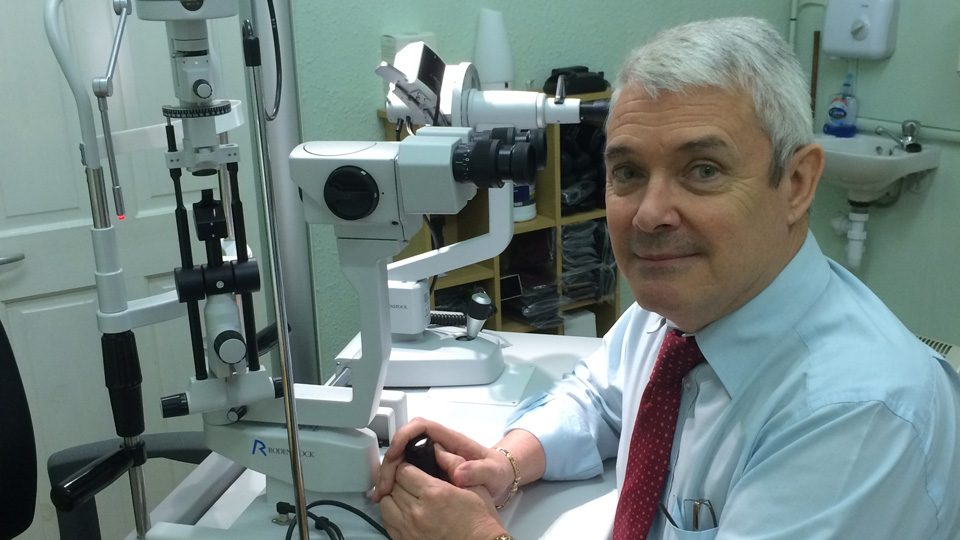
Andrew Price, dispensing optician and dry eye specialist
Can you tell me about your professional history specialising in dry eye disease?
For most of my career I have worked within contact lens care, including some time working within a glaucoma clinic in the US – this naturally led to a real interest in the ocular surface and how to help patients with conditions that adversely affect it. I have been running a dry eye clinic at my Cheshire practice for the past 10 years. Within my clinic, I am mostly prescribing speciality contact lenses and providing comprehensive and holistic care for dry eye and contact lens discomfort patients.
I have developed a comprehensive website for eye care and healthcare professionals; the Eye Care/Eye Drops Database. This website provides information on ocular surface products and medications as well as diagnostic and treatment instruments. It includes a referral directory where individuals can find dry eye, contact lens, IP optometry and ophthalmology practitioners.
What do you find satisfying about offering care to patients with dry eye disease?
It is rewarding to hear from patients how their ocular surface condition is much better after many years of fruitless treatments and living with a condition that detracts from their quality of life.
Are there any memorable patients who come to mind?
One patient whose life was changed by treatment came to me after finding little relief through previous appointments with opticians, doctors and eye specialists. The quality of her vision was poor and unstable – at some points she was unable to drive or work. She also experienced the physical symptoms that we would expect with dry eye disease, but her overriding concern was her poor and variable vision that had not improved with any prescriptions in her many spectacles.
This had taken a great toll psychologically on an otherwise bright and intelligent woman. She appreciated not only the slow but steady clinical improvements, but also the understanding and support that I was able to provide during our appointments.
She appreciated not only the slow but steady clinical improvements, but also the understanding and support that I was able to provide
What misconceptions do members of the public and clinicians have about dry eye disease?
First, we must recognise that ‘dry eye’ is an umbrella term, covering a number of different ocular surface conditions that can give rise to similar symptoms. The original causation must be identified and treated, and in my opinion that can only be done by an eye care professional in a specific dedicated ocular surface exam. Diagnosis and suggested treatments do not belong over-the counter, over the phone or through shopping websites.


Comments (0)
You must be logged in to join the discussion. Log in