


22 May 2026
I had never thought about optometry before, but my first part-time job after GCSEs was in Specsavers.
I gained a really good insight into the world of optometry, seeing the benefit and the impact that optometrists have on people’s lives – which is something I had not even thought about before.
I was working at one of my uncle’s practices and he brought me into the world of optometry.
He is a really big role model for me in terms of how to be a good optometrist, the kinds of things you should do, and the things you should look out for.
I remember doing a collection for a man who was around 45 years old and had never worn glasses. When he got the glasses, he started crying because he had never seen his son clearly before. That was that for me. I realised you can have that much of an impact on people’s lives. The fact we can help people preserve their sight and make it better, that’s definitely one of the reasons I wanted to do optometry.
The optometry degree has been very different to what I expected.
I thought it would be a lot of theory and biology, but the degree is a mix of everything – there is a lot of physics and you need to know about the brain. It’s very practical, which is the best thing to improve over time. I have really enjoyed learning about the eye, the body, the brain, and how the eye links everything together.
A few years after qualification, I would like to be doing the independent prescriber qualification.
I would like to get as much knowledge as I can early on in my career. Alternatively, I would like to be working some days in the community and some in hospital. But I will definitely be building my knowledge and skills to ensure my patients get the best support and care they can.
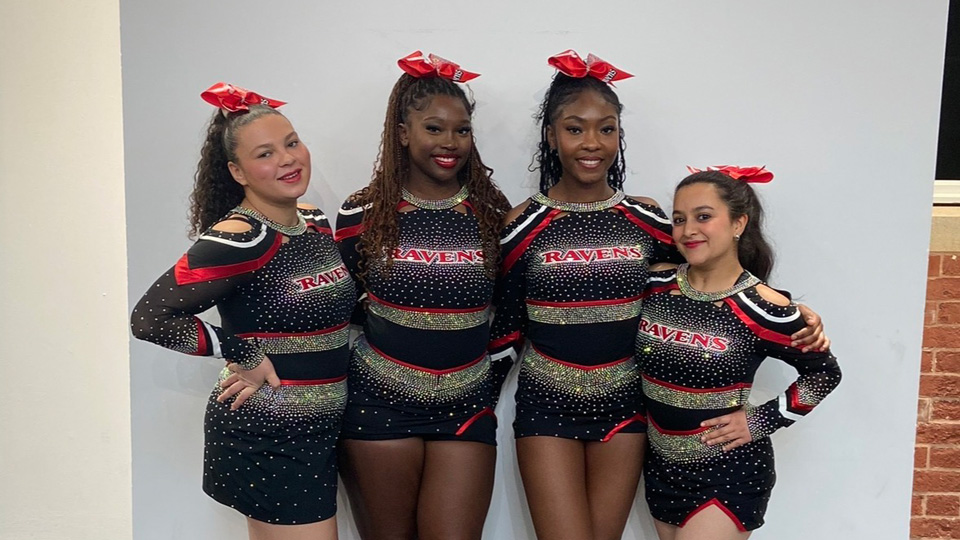
Sports and exercise has been a big thing for my wellbeing.
In my first year, I joined my university’s cheerleading team. Everyone thinks it’s just pom-poms but we perform dance and stunts and have competed nationally. In second year, I became an executive on the team.
There might have been things from my studies I didn’t understand, then I’ve gone away to exercise and come back with a fresh mind and found it really helped.
Doing things outside of optometry is really important because you need to give yourself a break. Talking to people who are not optometrists shifts your perspectives. If you’re constantly surrounded by the same things, you are reminded of them and never get that break.
I couldn’t do cheerleading this year unfortunately because lectures clashed with training, and I did see the change in my mental health. I felt a lot more pressure and stress around exams. In previous years, I always had that time for training in the diary – whether I wanted to or not – that I had to go and do.
If there is one thing I could say it would be to look after your mental health, because it is the most important thing. The worst thing is to keep things to yourself. If you don’t feel you have someone to talk to, the AOP’s Peer Support Line is there.
My three must-haves for studying...
- My iPad. Everything is online so I use my iPad to annotate diagrams and take notes
- A pen and paper. There is always going to be something you could learn, and a quick scribble down really helps
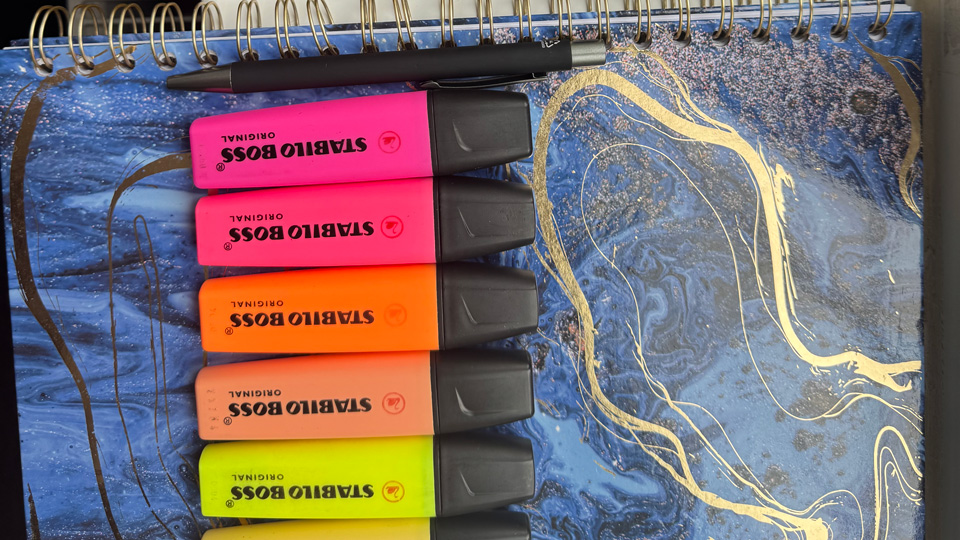
- Highlighters. I find that colour coding sections of modules can trigger things in my memory.
More A to optometry
-
 Being a calming voice for patients
 -
 “It’s rewarding knowing that I’m part of something that aims to make a difference for students in the profession”
 -
 “From the moment I stepped into the role and met the optometrist, I thought: ‘I’m going to do that job one day’”
 -
 “The main reason I wanted to become an optometrist was to make a direct difference in people's lives”
Comments (0)
You must be logged in to join the discussion. Log in