


05 January 2025
What motivated you to study optometry?
In my mid-teens I was looking at what career to go into. There was a period of time when I thought I could be quite good in a finance or business role, or perhaps as a lawyer. I liked studying science subjects, though, and realised I wouldn’t have that in those careers, so I knew a healthcare profession would suit me. I felt that optometry was a profession with many avenues to go down. I thought: optometry is the one.
Studying optometry at university has only opened more of those doors for me and given me the insight that, if I want to, I can mix things up every day of the week. Optometry gives you contact with other people, but not only in the testing room. You can go into directorship, own a business, or go into research and speak at conferences. You can play to your strengths.
What were the main reasons you wanted to become an optometrist?
I feel that vision is taken for granted a lot. I looked at how vital vision is to everyone, and in the way it assists people to live an active lifestyle. From an optometrist’s perspective, small adjustments that might seem minor or routine can have a massive impact in someone’s life. That patient might go home and have an improved quality of life, or be able to do something that they weren’t able to beforehand. That really motivates me.
I’ve played sports from a very young age. When I was around the age of 11 or 12, I told my mum that I couldn’t see the whiteboard at school and, more importantly to me, I couldn’t see the cricket ball very well when I was playing. We went to the optometrist, I was given glasses and contact lenses, and afterwards I could see clearly – I could play cricket. That optometrist just did a few little things that were probably routine for them but made a massive impact for me. If I can do that on a daily basis, then I can go home with a smile on my face.
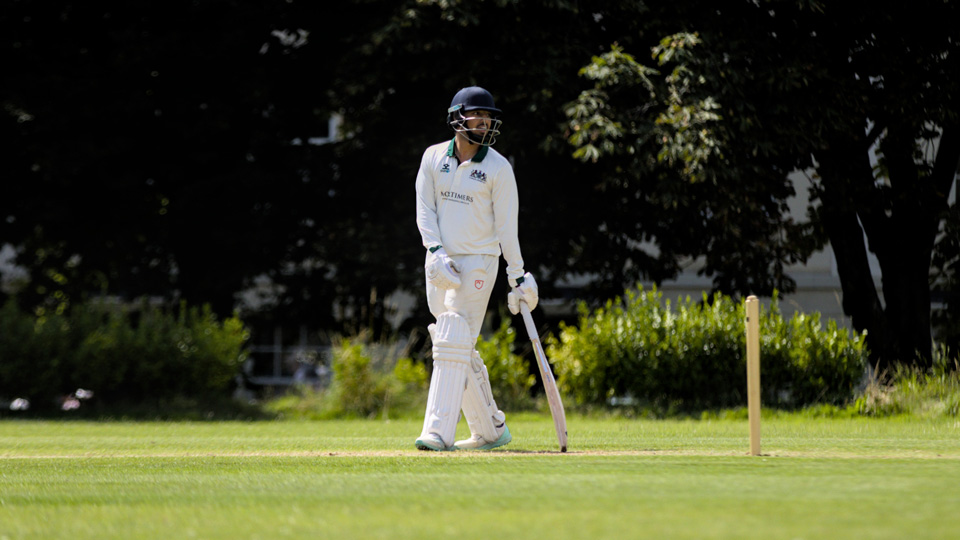
From an optometrist’s perspective, small adjustments that might seem minor or routine can have a massive impact in someone’s life
What placements have you carried out, and what have you learned from your experience of optometry so far?
I have had two placements through university, both in the community, and I initiated a few placements myself. One of them was in an advanced eye care setting in Melbourne, Australia. I saw advanced clinics and things I wouldn’t have seen otherwise at that early stage of my studies. I learnt how the optometry profession works in Australia, as well as treatment plans, and how it differs from here.
More recently I had a placement at Western Eye Hospital, part of the Imperial College Healthcare NHS Trust. I was there across a couple of weeks sitting in clinics for glaucoma, uveitis, medical retina, vitreoretinal, accident and emergency, complex contact lenses, oculoplastics, and theatres.
I have a part-time job with Newmedica, which has given me more exposure to advanced care, as well as an understanding of the patient pathway post-cataract referral. I work within the outpatient department and in theatres.
I’ve gone out of my way to set up these placements based on my career aspirations. I want to go into hospital optometry, so I needed to get exposure early in my career.
What is your favourite aspect of optometry so far?
Narrowing it down is really tough. I find complex contact lenses very interesting. This ties in with another interest of mine, sports vision, because there is a small percentage of sportspeople who will require complex contact lenses. Advanced eye care interests me the most because no two patients will look the same.
Do you have a career path in mind? What are your professional goals?
I don’t want to settle for one thing. I have a whole range of goals that I want to achieve across my career. I always want to challenge myself. Hospital optometry is the main goal at the moment. I would like to progress in a hospital optometry role and continue my education with additional qualifications.
I also have an interest in research and academia. Having played various sports throughout my own life, I feel that there are areas of sports vision that could be further researched and that is something I want to do at some point in my career. Whether that be in the next 10 years or 15 years, I’m not sure. I have goals that I want to achieve – it’s a case of when I want to do them.
As an AOP student representative, what did you enjoy most?
Being an AOP student representative has opened so many doors and allowed me to meet so many new people. It has given me an insight into the resources that I can access. I’ve also been to brilliant events like 100% Optical, where I had the opportunity to introduce speakers on stage. It is such a good opportunity to have at an early stage in your career because it enables you to make connections. Optometry is such a small world that meeting people at this stage in your career will only help you as you go onwards and upwards.
Being an AOP student representative has opened so many doors and allowed me to meet so many new people
Keeping balance in a busy schedule
What helped you settle into university?
I moved to a university around three hours away from home. Being so far from friends and family, I think you have to go outside of your comfort zone. Everyone is in the same boat and trying to meet new people. I put myself out there and initiated conversations with people I didn’t know. You have to push yourself a little bit.
A few days into university I met someone at a bus stop and found out he had the same interests as I did. We became friends and I was introduced to a friendship group through him – now the six of us live together.
If you have certain interests, then look for societies around those hobbies to meet likeminded people. I don’t live with any other optometry students. I like to have that separation between my academic, professional life, and my home life. It is really helpful with regards to balancing studying with socialising and making time for yourself.
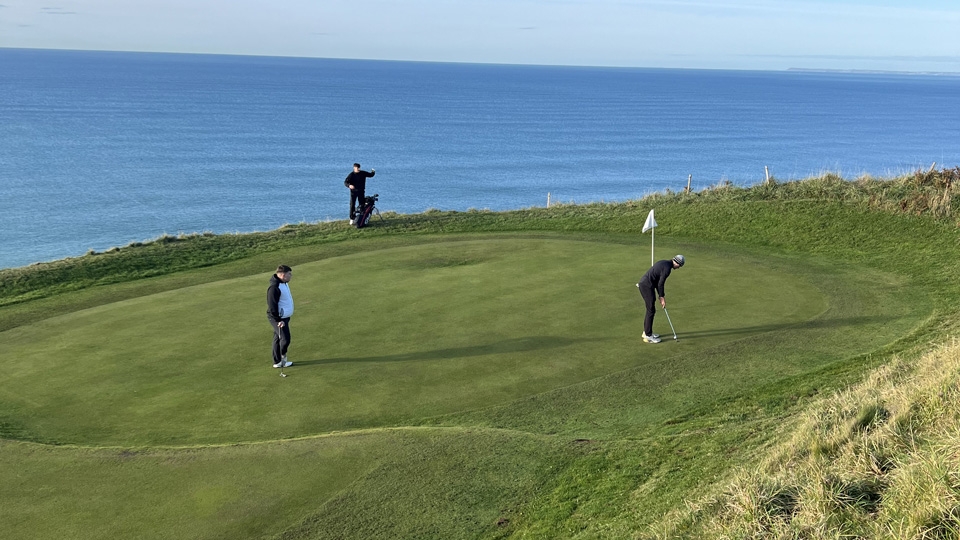
How do you approach balancing studying and work, with socialising and making time for yourself?
At university, you are in charge of your learning, and because of that you have to be strict with yourself. Meeting deadlines, for example. Having a routine is really important. I brought myself a paper diary, which helps me to visualise what my week looks like. Spontaneous plans can be fun, but having a general idea of what the week is going to look like helps me to be more productive. I make sure to factor in time for hobbies. A healthy balance is important to me and though my days look jam-packed, I like to keep busy. Whether I’m playing two or three sports a week, doing university work, or going out with friends, I know I have spread out my time equally.


Comments (0)
You must be logged in to join the discussion. Log in