

02 October 2026
At a time of significant change across the health system and primary care, it is vital that the profession’s voice is visible, coordinated and influential. We have a real opportunity to improve services and health outcomes for the public, everywhere in the UK, but we can only achieve change through a chorus of voices.
Between July and September, the AOP hosted a roadshow programme designed to build a stronger network of members who have the skills and tools to champion the profession locally and nationally. The events provided an opportunity to connect members directly with AOP Council members and the AOP’s staff, strengthening two-way dialogue.
Overall, the AOP aims to mobilise members and build a stronger collective voice for the profession across the UK. In order to support this, we delivered the roadshow programme through a series of six events across England, Scotland, Wales and Northern Ireland.
The series of face-to-face workshops aimed to create a platform to inform, connect and mobilise members around our strategic priorities. To achieve this, it was important that we visited all the nations as well as different corners of England – to give members, wherever they live and work, an opportunity to attend. As you would expect, not all the locations we visited were easy to get to, which is why we held a session at 100% Optical this year to launch the programme.
The sessions combined strategic briefings, policy updates, practical advocacy workshops and case examples with the AOP’s senior leadership and external affairs team: chief executive, Adam Sampson, director of communications and external affairs, John White, and myself.
Policy changes because people tell compelling stories, present credible evidence, build relationships that win support and patiently make the case for doing things differently
The roadshow events aimed to create an engaging and interactive experience for members that introduced them to the aims of the AOP’s new Five-Year Strategy – including our big focus on influencing and engaging our key stakeholders. We wanted to build a better understanding of how the strategy fits within the wider health political context and will shape the profession’s future. But we also wanted to provide a space for members to ask questions, challenge, and contribute to our strategic ambitions.
Three key themes emerged from running the roadshows. Firstly, we found that attendees valued direct engagement with the AOP team and having a direct line to senior leadership.
Photos from the roadshow
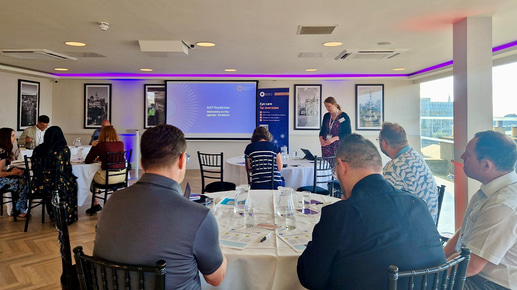
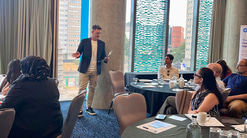
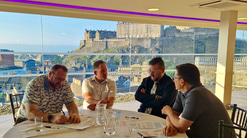
Peer discussion and interaction were repeatedly identified as the key benefits of the event, while we also found that the events increased understanding, enthusiasm and engagement with advocacy and AOP campaigning.
The roadshows were never designed as a one-off; they are part of an ongoing programme of work to engage with members throughout the UK, face-to-face. We’re in the process of designing the next series for 2027.
The events were positively received, with 95% of attendees rating them highly. We have had lots of great suggestions on topics to cover and how we enhance the interactive parts, so we will build on the learnings from this year’s events.
Policy does not change because governments wake up one morning with a brilliant new idea. Policy changes because people tell compelling stories, present credible evidence, build relationships that win support and patiently make the case for doing things differently. The voice of members, as practitioners on the ground, is central to that case.
About the author

Serena Box 
Head of media, PR and external affairs
Serena Box is a health communications strategist, with oversight of the AOP’s external affairs team. She drives advocacy, media campaigns and stakeholder engagement to raise the profile of eye health and champion the role of primary care optometry. Serena builds strategic partnerships across the optical, health, and charity sectors, lobbying government to advance eye health goals. She has a strong interest in public health, system reform policy and social equity. Contact her via email to support the AOP’s advocacy work


Comments (0)
You must be logged in to join the discussion. Log in