


10 April 2026
From retinoscopy and ophthalmoscopy to subjective refraction and contact lens fitting, there are many skills optometrist and practice director, Jaclyn Pugh, learned at university.
However, throughout her career, Pugh has been confronted with situations that her training did not equip her for.
University did not teach her about bearing the weight of responsibility that comes with being accountable for 15 staff members’ livelihoods.
Her training did not provide lessons on what to do when a global pandemic strikes, or how to balance time with her children, husband and practice.
The delicate calibration of Pugh’s personal and professional worlds is a work in progress. She has realised over time that establishing a routine within her diary helps to protect time with her family and friends.
“Without that core structure, I live at work. That is where the vacuum is,” Pugh shared.
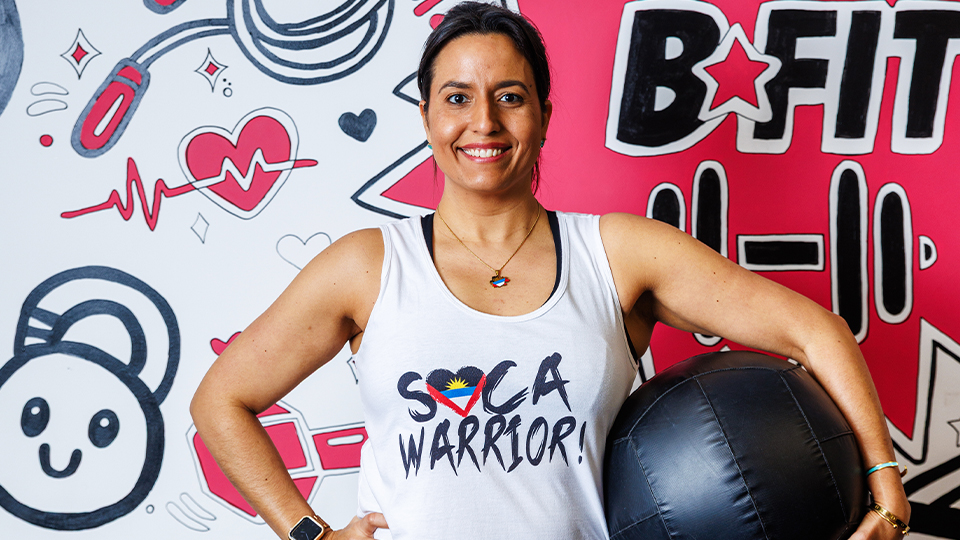
In her spare time, Pugh will make macaroni cheese or pancakes with her eight-year-old daughter and four-year-old son while they listen to soca music.
She gathers with other women in Chepstow to flip tyres, lift weights and run around a muddy field.
Pugh was one of eight founding members of the boot camp when it was established in 2023. Today the group has 136 members.
“There are women from all walks of life – GPs, chiropractors, dog walkers, accountants and artists,” she said.
For many of the women who turn up in patterned leggings and bright active wear, the time spent sweating, swearing and occasionally crying is a rare hour apart from their work and caring responsibilities.
Within the group, there are women who are navigating the diverse milestones that life brings – marriage, pregnancy, divorce, problems at work.
Pugh described the sense of relief that comes from being herself among a group of women as “like therapy.”
“Sometimes you just want to feel like you belong. It’s a reminder of what living feels like outside of work and motherhood,” she said.
The independent prescribing (IP) optometrist became involved in the boot camp through her personal trainer – who has subsequently become a friend after she helped her to navigate a challenging period in her life.
What we strive for is community optometry. We don't shy away from the personal connections, because they're what really mean everything
Pugh began personal training after losing a pregnancy at 13 weeks and experiencing significant blood loss in 2020.
Pugh, who had not exercised regularly before, wanted to build back strength in her body after a period in her life when everything felt out of control.
She remembers crying on the phone in an initial call with personal trainer, Becky Florey, who specialises in pre- and post-natal training, trying to explain what she had been through.
“She said ‘Come along, whatever it is, just come,” Pugh recalled.
While Pugh found the early training sessions tough, she kept turning up. She noticed the exercises getting easier and the recovery times becoming shorter.
“I haven’t completely transformed or anything in five years. But mentally it has been a huge, huge improvement,” she said.
The bigger picture
Growing up in Antigua, when something did not go to plan, Pugh’s mother would comfort her with aphorisms like every disappointment is a blessing or bad breeze never blow.
“In the Caribbean, we talk in proverbs,” Pugh said.
Alongside her parents’ work ethic, Pugh has carried this wisdom into her working life – helping her to put her challenges as a business owner in perspective.
“In the beginning, when you’re younger, everything feels very urgent, but once you’ve had some lived experience, you realise it's all a piece of the puzzle,” Pugh reflected.
While Pugh has navigated many challenges during her career, she has never had to face these difficulties alone.
When Pugh took over ownership of The Optical People in 2020 she was attempting to get up to speed with the intricate details of running a business while a pandemic was unfolding.
Dispensing optician, Lynne Fraser – who would go on to become a fellow director – stepped up to work alongside Pugh without pay.
“I sent everyone home on furlough and she just stayed for free. She said, ‘I need to help you.’ It was amazing,” Pugh said.
I don’t really keep secrets – it’s good to be vulnerable. It’s good to be human
She also paid tribute to the support of her husband who was the primary caregiver for their children between 2020 and 2022 when he was made redundant from his job as a pilot. His support enabled her to focus on building the business and refurbishing the practice.
“He was the glue that held everything together,” Pugh said.
Pugh aims to show the same care to her staff as she does to her patients. She is also open about the challenges she experiences in the hope that her staff will also feel comfortable confiding in her.
“I don’t really keep secrets – it’s good to be vulnerable. It’s good to be human,” Pugh shared.
She has supported her staff – both male and female – through their own grief following pregnancy loss.
“It’s so common, but it doesn’t make it any less horrendous or traumatising,” Pugh reflected.
While some people may avoid living in the community where they work, Pugh enjoys chatting with the patients she bumps into while shopping for groceries or dropping off the post.
“What we strive for is community optometry,” she said.
“We don’t shy away from the personal connections, because they’re what really mean everything,” Pugh emphasised.
While Pugh could have hesitated at any one of the many leaps of faith it takes to become a business owner, she is glad that she took the plunge.
“Life begins at the edge of your comfort zone,” she told OT.
“I’m thrilled with where I am and really grateful with everything I have got,” Pugh shared.
The burden of responsibility
Scottish IP optometrist, Richard Spruce, has worked for 21 years within the same independent practice group where his best friend’s father offered him his first morning of work experience.
Splitting his time between practices in Alva and Selkirk, Spruce feels a deep sense of loyalty to the communities that he serves.
This sense of connection is what makes his job rewarding – but it is also a commitment that has, at times, felt like a burden. In 2018, Spruce realised that something needed to change.
“I was stressed constantly,” the Optometry Scotland vice chair recalled.
“I felt responsible for everybody and everything at all times and it was getting oppressive,” he said.
This period of feeling overwhelmed prompted Spruce to make changes in his life. With the support of his wife, he set aside time in his week for activities completely unrelated to work.
Spruce began playing rugby for the first time since school. While there have been times when it has been hard to get out of the door for practice in the cold, he enjoys the rush of endorphins that comes after a training session.
“Exercise is great. It reduces your stress levels naturally,” Spruce said.
I felt responsible for everybody and everything at all times and it was getting oppressive
As well as the physical benefits of rugby, Spruce has valued the opportunity to play alongside people of different ages and backgrounds.
“When you are an optometrist, you are often working on your own, making decisions by yourself,” he reflected.
“When you’re playing rugby, you’re working as a unit to achieve the same objective,” he said.
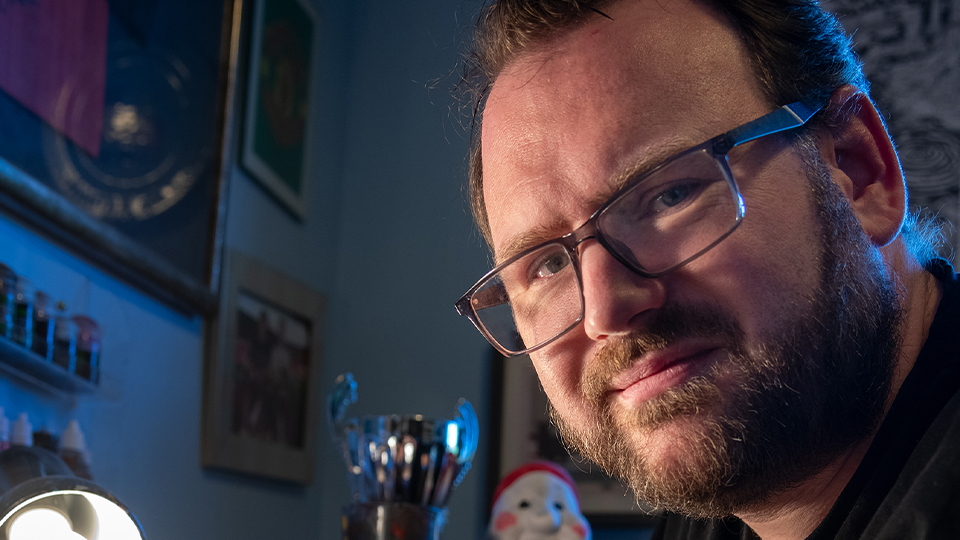
Away from the rugby pitch, Spruce found that painting miniature figurines gave him a sense of calm.
“It’s almost like mindfulness,” he said.
“When I am painting, I’m not thinking about anything else. It’s nice to give your brain a rest,” Spruce reflected.
Reflecting on what resilience means as an optometrist, Spruce shared that there are times when you need to take a breath between patients to “get your head back in the room.”
“I think resilience is being able to meet that next patient with a smile, even after the last one has been hard work,” he said.
While Spruce is now in a better place mentally, he continues to protect time allocated to the people and activities that matter to him outside of work.
“I listened to a podcast a while back and they said, ‘The first rule of work-life balance is to go home.’ No one ever sits on their deathbed and wishes that you’d spend more time at work,” he said.
Communication in practice
IP optometrist, Eilidh Thomson, is not easily lost for words. During her pre-registration period, her supervisor gently advised that while many patients will enjoy chatting as she does, there will be some who prefer a more succinct examination.
While studying optometry at Glasgow Caledonian University, she was awarded the best in year prize for communication.
“I remember my brother laughing at the time, saying, ‘Of course, she won the prize for talking’,” Thomson recalled.
However, there have been times in her career when it has been challenging to find the right words.
Early in her career she remembers discovering signs of a brain tumour in a woman who was a similar age to herself.
“I remember going home that night and being quite upset talking about it with my husband,” she said.
Thomson found it helpful talking to her former supervisor and other practitioners about their experiences.
“It helps to lessen the load,” she said.
After her appointment as chair of Optometry Scotland in 2024, the patient’s father got in touch with Thomson to congratulate her.
“They have been so kind to me, even after their daughter passed away. They said to me that they felt like we were able to give them more time than we might have had otherwise,” she said.
“I will never forget that patient,” Thomson added.
The optometrist observed that the reality of delivering bad news is often different to how students imagine it will be.
“You can learn about delivering bad news at university, but I think until you’re put in that position, it’s hard to really know how you’re going to be able to cope with it,” Thomson said.
When navigating telling patients they can no longer drive, Thomson aims to be kind but firm.
“If they don’t fully understand, there’s a risk that they may continue to drive,” she said.
“Those conversations are never easy, but you do become more comfortable with it with experience,” Thomson shared.
Over the course of her career, Thomson has learned how to hone and tailor her communication style depending on who is sitting in the chair.
She has realised that just because a patient makes an observation about their vision, they do not necessarily want her to fix it.
“If I could impart any wisdom to an optometrist early in their career, this could save someone hours of time,” Thomson said.
“A patient may be happy with the level of vision they have got. By accepting this, you are showing that you are on their side. You’re listening to what they are telling you they want,” she added.
You can learn about delivering bad news at university, but I think until you're put in that position, it's hard to really know how you're going to be able to cope with it
Navigating burnout
At the peak of his burnout, optometrist, Jason Searle, was troubled by pervasive sense of dread.
He would wake up on Saturday morning worrying about what Monday would bring. When he returned home from work, he felt like a shell of himself.
“I just physically just did not want to do anything,” he told OT.
In the months preceding his burnout, he had juggled demanding locum roles and was beginning a new job. Then his wife was rushed to hospital with an ectopic pregnancy.
“We lost our baby and I nearly lost my wife in one day,” Searle shared.
While his new employer supported him with in-house counselling and a phased return to work, in early 2022, Searle realised that he needed to step away from work completely to allow himself to recover.
“I didn’t really want to leave, but I just knew I couldn’t keep up,” Searle said.
Gradually, Searle recovered from burnout – aided by his wife and the kindness of the optometry community within Gloucester.
“I’m very lucky. I’ve got a supportive network around me. That helped with my resilience and lifting me back up,” he said.
Searle, who works as a locum and associate lecturer at the University of West England, is now careful to allow himself to recover between work.
“I try not to do more than two days in a row before taking a day off. That does give me a chance to have that bit of breathing space,” he said.
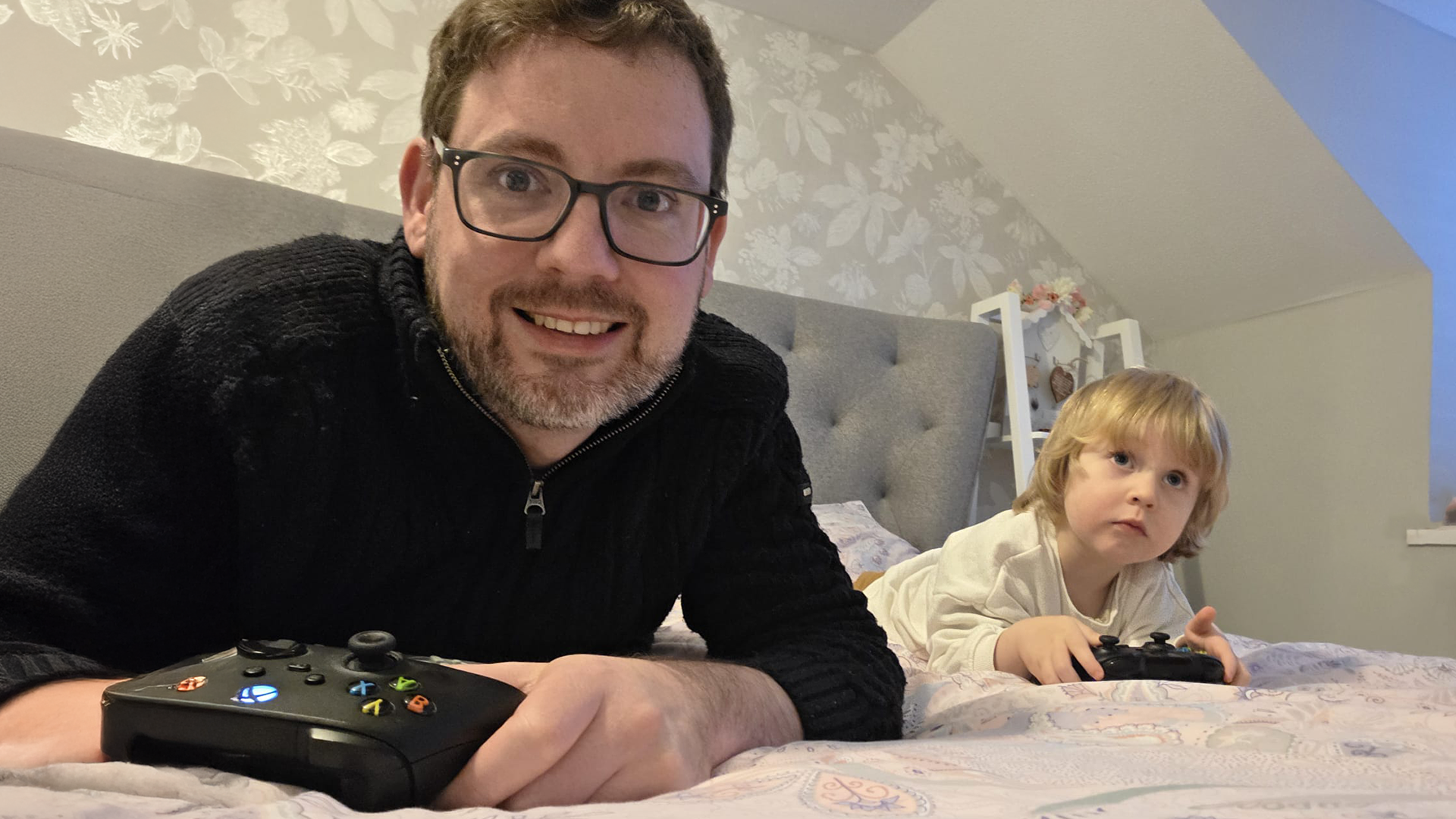
He enjoys playing strategy games where he has the chance to use his brain in a different way.
“I think it’s important to prioritise hobbies that are completely unrelated to optics. It gives you time to recharge yourself,” Searle said.
Reflecting on the signs of burnout, Searle shared that alongside physical exhaustion people can become cynical about their job.
“With hindsight, I’ve seen it in so many different ways, in different practices,” he said.
For those who may be experiencing burnout, Searle encouraged taking a break from work if this is financially feasible.
He added that practitioners could also approach their employer to see if any adaptations are possible.
For those considering leaving the profession altogether, Searle encouraged people to consider a different role.
“Try something else before calling it quits,” he said.
“There are so many different ways of working as an optometrist and there is probably a way that matches your skillset,” Searle emphasised.
The restorative effect of nature
After a day working at his independent optometry practice in Sheffield, optometrist and practice owner, Karl Hallam, can often be found cycling in the Peak District or going for a run and jumping in a lake.
Hallam is surrounded by dark heather moorlands, dotted by curlews and mountain hares that change colour to a snowy white in winter.
“If you go out for a ride at dusk, you often see a barn owl,” he said.
Sheffield is a city where at the end of the working day many people emerge from their offices and shops to play in the expansive countryside – an experience that Hallam compares to “secular worship.”
“There’s a long history of people from industrial cities in the north escaping into the Peak District to walk and cycle,” he said.
“Some people went to the church on a Sunday and some people went to worship in the hills,” Hallam shared.
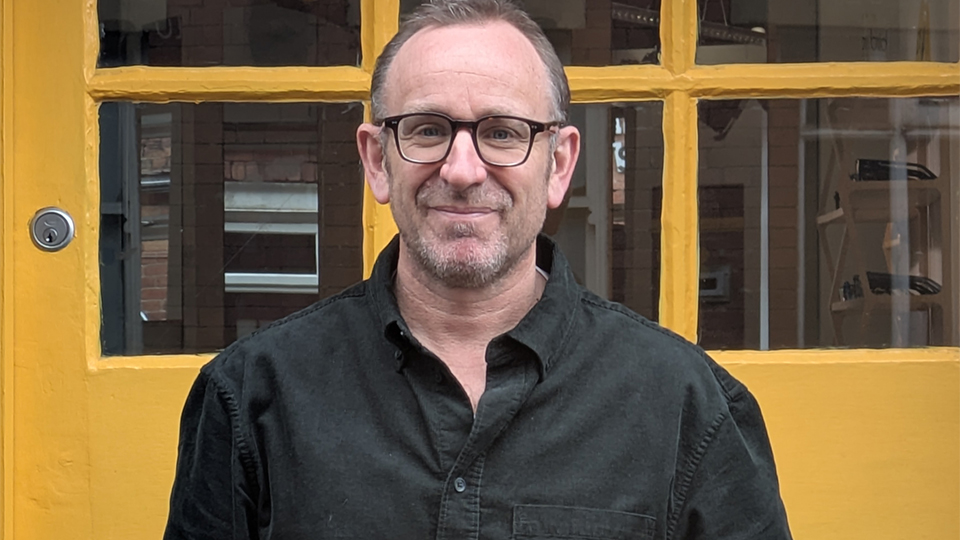
When Hallam established Eyeye in 2017, he had a vision of creating an optometry practice where there would be no conversion targets, or lost sleep over rushed eye examinations.
“Most of my sight tests before I was running my own business were conducted in an environment where I was fighting the clock,” he said.
“I wanted to create an environment where I could do eye tests that I was proud of,” Hallam shared.
He hoped that this model of practice would help to address the disconnect that some young practitioners feel between the skills taught at university and qualified practice.
“We give young optometrists the time to do the job as they were trained to do. We don’t berate people about conversion rates because we don’t measure them,” Hallam said.
Hallam focuses on taking care of his staff as well as his patients.
“That means backing them,” he said.
“We don’t tolerate any prejudice from our customers, and if there is any hint of that then they are struck off our customer list,” Hallam shared.
The optometrist prefers to work directly with suppliers. Each year, Hallam and his staff will travel to Paris to treasure hunt for new frames at Silmo.
“If you put that effort in, you can offer people better value and better quality for a much lower price,” he said.
Hallam will gravitate towards suppliers that focus on the product itself, rather than money spent on an elaborate stand.
“A regular company we go to is just one guy who is always at Silmo looking slightly grumpy with his table out,” Hallam observed.
“When you pick up the frames, they are just stunning. The company was started by his grandfather,” he said.
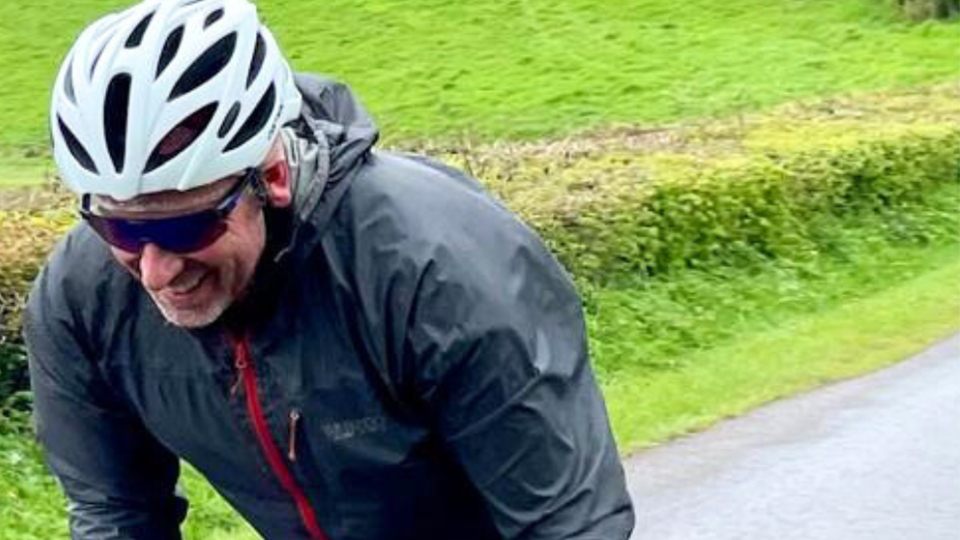
The only benchmark Hallam does use at Eyeye is whether patients are motivated to return following their experience in practice.
“When people go for a coffee afterwards and their friend asks them how the sight test went, we want them to say ‘It was great. They were lovely’,” Hallam shared.
The optometrist added that while he does not track conversion rates, he does aim to ensure the business is performing.
“It’s just that we think financial performance flows from the service we deliver and supporting optometrists,” Hallam said.
Since its establishment, Eyeye has weathered Brexit, a global pandemic and economic downturn. The great outdoors offers a reliable respite from the pressures of business ownership.
“One of the things about optometry is you’re either stuck in your testing room, or you're stuck on the practice floor,” Hallam said.
“Going outside and getting some fresh air in the countryside – there’s lots of evidence showing that is good for you mentally as well as physically,” he shared.

Behind the cover story
Miniature models and gym equipment featured in this edition’s cover photoshoot – which stepped out of practice to explore work-life balance


Comments (0)
You must be logged in to join the discussion. Log in