


13 April 2026
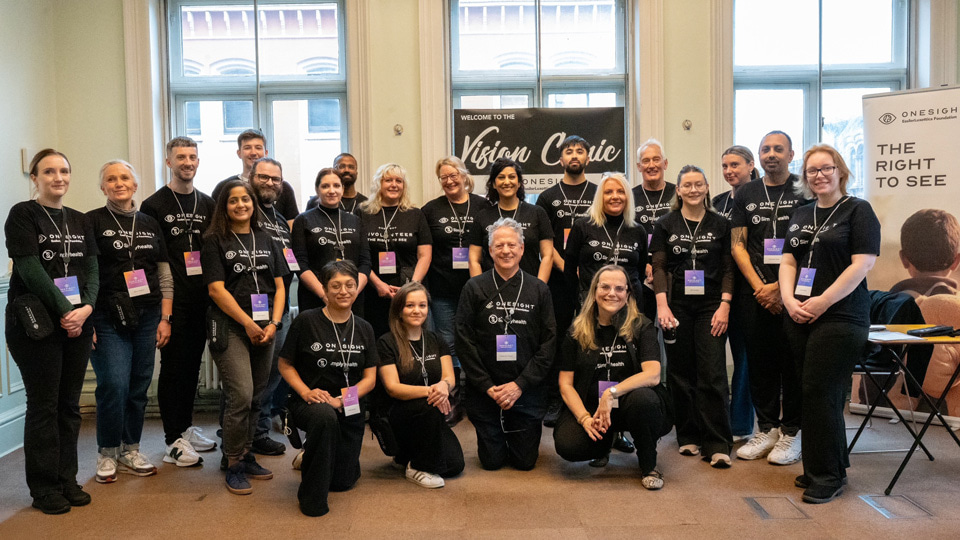
The OneSight EssilorLuxottica Foundation ran a clinic offering free eye examinations and spectacle dispensing to those experiencing homelessness in Manchester last month (23–27 March).
The clinic, held at Central Hall, was organised in collaboration with the Manchester Homelessness Partnership.
Optometrists and dispensing opticians saw 103 people over five days, including refugees from Hong Kong and families who fall outside NHS eligibility for free eye testing.
Shweta Anand, a clinical services manager at Vision Express, helped to coordinate the clinic.
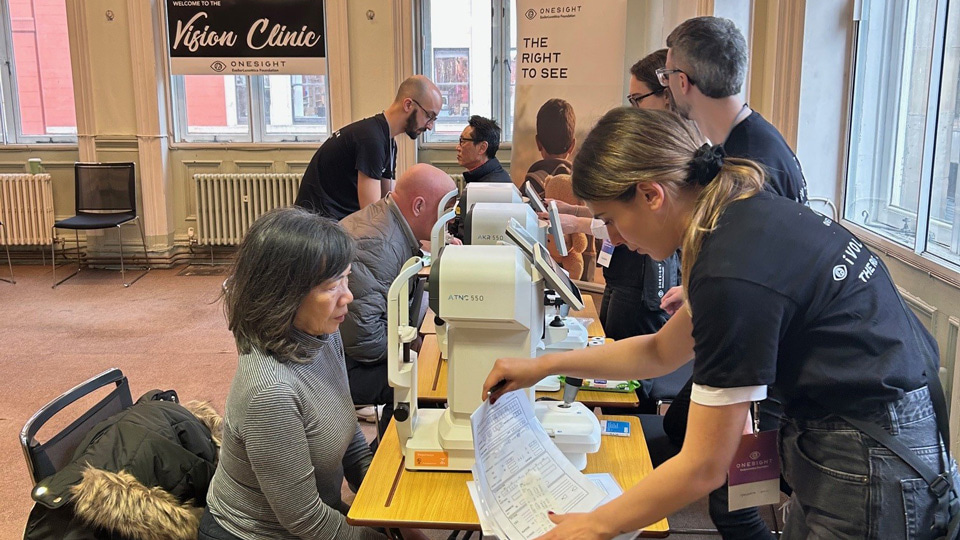
She explained to OT that, after entering the clinic, patients progressed through pre-screening and vision checks, history and symptoms, a full eye health and prescription check, and finished their visit with spectacle dispensing.
“The lenses are popped into the frames that they choose, and they take the glasses away on the same day. They don’t have to wait,” she said.
Potentially serious conditions were identified during the week, Anand told OT.
She explained: “Yesterday, one of the optometrists picked up some changes to the blood vessels at the back of the eyes. We’re lucky to have an ophthalmologist volunteering for two days, so he had a look, and it was suspected that the patient might have either diabetes or high blood pressure.”
The team was able to organise a referral straightaway, Anand said.
The clinic volunteers were also able to dispense spectacles to a patient who had been living without them for a number of years after breaking his previous pair in a traffic accident, she told OT.
“It’s a long time to go without, and it was stopping him from doing certain things,” Anand said.
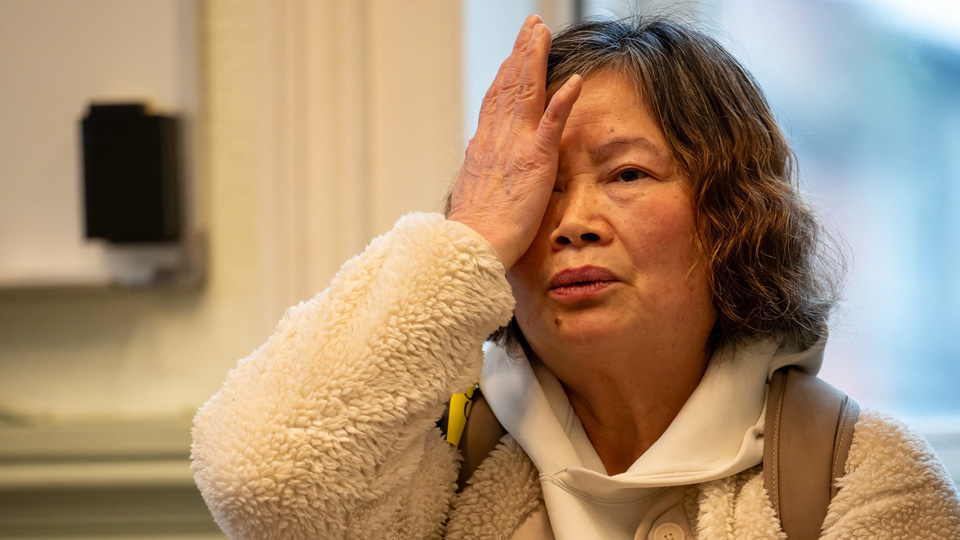
Inside Essilor Luxottica’s OneSight Foundation clinic in Manchester
Exclusion from healthcare and varying priorities for those experiencing homelessness
Those experiencing homelessness are often excluded from NHS-funded eye care due to not having a fixed address or GP registration.
Barriers to accessing eye care can make it more difficult for those experiencing homelessness to regain independence, apply for benefits or look for work.
The Manchester Homelessness Partnership, a cross-sector network working with people with lived experience of homelessness, worked to ensure that those who would benefit could attend the clinic.
Val Bayliss-Brideaux, network and communication worker at the Manchester Homelessness Partnership, said: “Vision care is one of the most overlooked aspects of health for people experiencing homelessness in Manchester – and yet it impacts all facets of life.
“This partnership gave us the chance to address that in a real, practical way, and we are proud to have been part of it.”
Bayliss-Brideaux told OT that health often isn’t a priority for those experiencing homelessness.
Eye health, oral health and diet are the key focus for the Manchester Homelessness Partnership in 2026, she said.
“If you’re trying to find somewhere safe to live, you want to feel safe,” she added.
Bayliss-Brideaux continued: “You might be fleeing domestic violence. You might be an asylum seeker. Your priority is finding somewhere safe, finding somewhere to live so you’re not on the street, or trying to reunite with your family if you’ve lost them.”
This is especially true for the refugees from Ukraine and Afghanistan that the partnership works with, Bayliss-Brideaux told OT.
There are six asylum seeker hotels in Manchester and the partnership also works with families in temporary accommodation, she explained, adding that often these types of homelessness fall under the radar because it is not as visible as rough sleeping.
There are around 1000 children and families using the Manchester Homelessness Partnership’s services currently, Bayliss-Brideaux said.
Manchester’s Central Hall is a Methodist church and people are used to visiting in order to access other services, including women’s groups and refugee support, making it a useful venue for the OneSight Foundation clinic, she explained.
In terms of eye care, those experiencing homelessness might feel uncomfortable visiting a High Street practice due to being unsure of the reception they will get from staff or a lack of clarity on what they are entitled to, Bayliss-Brideaux said.
She told OT: “Having preventative care is the main thing. Very little preventative care goes on with homeless people.”
Bayliss-Brideaux added: “I think, if we can just improve the quality of life for people, this helps them.
“If somebody is able to read better, it might help them more with their benefits, training, and learning English. There are lots of advantages.”
A collaboration for eye care accessibility
The clinic was supported by Simplyhealth. Every service, including dispensing of prescription spectacles, was delivered free of charge.
Representatives from Vision Express, David Clulow, Optegra and HumanWare also joined OneSight EssilorLuxottica and their volunteers at the clinic.
Margarida Barata, Europe programmes director at the OneSight EssilorLuxottica Foundation, said: “Homelessness and poor vision are both isolating. Together, they can be devastating. This clinic is about breaking that cycle — because we know that when someone can see clearly, everything else becomes a little more possible.”
Anand, who is also an optometrist, has previously worked with the OneSight EssilorLuxottica Foundation on eye care clinics in Moldova and Dublin.
She told OT: “It’s nice to give back to those who wouldn’t have access to that care, and to be able to make a difference in any small way possible.”
As an optometrist, it is meaningful to be able to share clinical skills with those who might not have access to this expertise otherwise, Anand added.
She also noted that Vision Express support colleagues had been on hand at the clinic throughout the week.
It is helpful for colleagues to see where donations from patients, received as part of in-store giving, are being utilised, Anand told OT.


Comments (0)
You must be logged in to join the discussion. Log in