


26 February 2026
In February and March, many optical professionals across the UK will be observing Lent – which has traditionally been a period of fasting, reflection and almsgiving within Christianity. In the UK, Lent began on 18 February and will conclude on 2 April.
OT spoke with optical professionals about what Lent means to them and how they observe the period of reflection, prayer and charitable giving.
My Lent
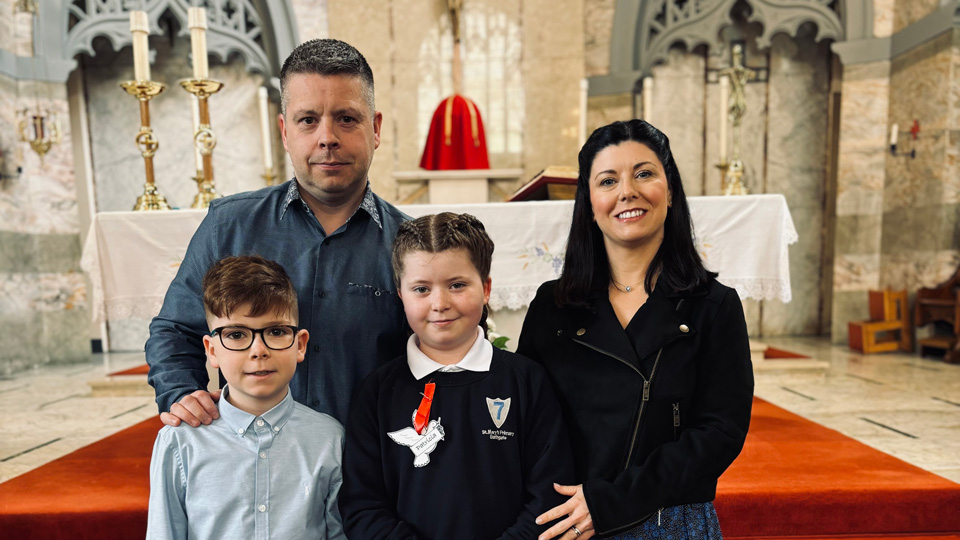
IP optometrist and Specsavers Linlithgow director, Diana Kelly, on how the smell of incense and sound of hymns evokes memories of Lent
Lent is a 40-day period in the Christian calendar leading up to Easter. In practical terms, we observe Lent through prayer, fasting, and acts of charity.
Preparation usually begins on Ash Wednesday, when we attend mass and take time to think intentionally about what we will give up or take on during the season, and we encourage our two children to do the same.
This year we have selected Alzheimer’s Society as our chosen charity and my husband Damian is doing the Manchester Marathon on April 19, which is two weeks after Easter this year. This is a case close to our hearts as I lost my dad to dementia in 2023.
Rather than focusing only on ‘giving something up,’ I try to approach Lent as a period of spiritual discipline and growth. This might involve fasting from certain foods, reducing social media use, or committing to daily self-improvement.
I also try to be more deliberate about generosity – whether through financial giving, volunteering, or simply being more attentive to the needs of others. Personally, Lent is a time of reflection, humility and recalibration. It invites us to pause and reassess what is truly important.
Lent is a time to consider balance – how I care for my own wellbeing so that I can continue to care effectively for others. We try to teach our children to be compassionate and treat others fairly and with kindness.
As a child, Lent often meant giving up chocolate or sweets, but as I’ve grown older, my understanding has deepened. It has become less about small sacrifices and more about intentional spiritual growth. My earliest memories are from attending mass with my Granny and she used to always keep aside treats for me to have once Easter finally arrived.
The sounds I most strongly associate with Lent are reflective hymns and quieter church services with the smell of burning incense. There is often a stillness — a noticeable contrast to the celebratory joy of Easter that follows.
In our optometry practice, Lent is not formally observed, but it occasionally arises in conversation with patients, particularly if appointment dates coincide with Ash Wednesday or the Easter period. These moments can create gentle opportunities for connection and understanding
The traditional significance behind fasting during Lent is that you are taking yourself away from the worldliness of things
My Lent
Claddagh Optical optometrist and clinical director, John Weldon, on the meaning behind Ash Wednesday and closely-guarded pancake recipes
As well as working as an optometrist, I currently have a placement as a chaplain for one day a week within a secondary school. I spend a lot of time talking with staff and students – it’s a great privilege that they feel comfortable to talk about anything that is troubling them.
For myself, Lent generally means paying more attention to my religious practice. I will go to Mass every day. I'm very lucky that as the clinical director in our own practice I can start and finish when I like. So, ordinarily, I'll go to Mass in the morning before starting work.
We often associate Lent with giving up things – for example, chocolate, sweets or alcohol – but for the last few years, I have been focusing on taking something up instead. I have previously helped to provide meals to people who are experiencing homelessness.
Last year, our big project was supporting a parish community in the centre of Gaza city. We have another ongoing project to support Syrian refugees in the Beqaa Valley in Lebanon.

There is a charitable organisation in Ireland called Trocaire – the name is Irish for mercy. Every year Trocaire has a Lenten campaign. Families will have a trocaire box on the dinner table and put their discretionary spending money in the box. For example, rather than going out for dinner, you put the money you would have spent on a meal in your trocaire box. By the end of Lent, you have collected a considerable sum of money by giving up treats for yourself to help others elsewhere.
The traditional significance behind fasting during Lent is that you are taking yourself away from the worldliness of things. On Shrove Tuesday, we have a big celebration and spoil ourselves with sweet things like pancakes. Then, when we are marked with ash on Ash Wednesday, the priest or minister will say ‘Remember, you are but dust and unto dust you shall return.’ We remember that we are part of something much bigger and greater than ourselves. We prepare ourselves to be more focused on the holiness and the divine nature of the things around us – rather secular worldliness.
My traditions have been handed through generations of my own family. I remember when I was four or five coming home from the shops with my mum and collecting the coins together for the trocaire box. Each household has their own special pancake recipe – it is one of those secret arts. I can remember my grandmother making really thick, fluffy pancakes. Now we make the thinner, European-style crepe pancakes – but all pancakes are good.
Smell is one of the most deep-seated senses. The smell of butter frying in a pan or frankincense are associated with Lent for me. Incense is used in the church during a lot of the ceremonies during Lent and Easter so there is a strong memory associated with it. The purpose behind incense in a Christian sense is that the rising smoke symbolises our prayers and aspirations rising towards heaven.
A church congregation can be like an extended family
My Lent
Locum optometrist and University of Ulster clinic supervisor, Veronica Nellins, on how Lent acts as a reset and helps to remove unnecessary distractions from her life
Lent begins on Ash Wednesday. On the days leading up to that I consider what Lenten promises I am going to make that year and prepare for these. For example, if me or any members of the family are going off certain foods I don't tend to buy them at the weekly shop the weekend before.
Ash Wednesday itself is a day of fast and abstinence. This means we only have one main meal and two small snacks and we do not eat meat. We also attend a service on Ash Wednesday to receive ashes. Other parts of Lenten promises include prayer and almsgiving. I look at my diary and make time to attend extra services like Stations of the Cross. We also have a trocaire box in a prominent place in our home to remember to give alms. Good Friday is also a day of abstinence near the end of Lent.
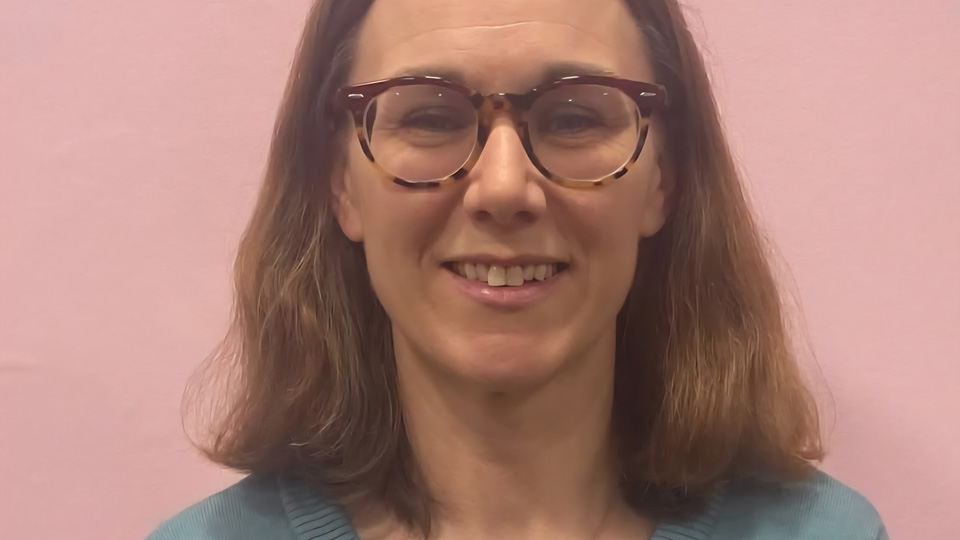
I don't tend to make New Year resolutions as I find that time of year is still Christmas time: a time for celebration both religiously and in life. I wait until Lent to reset. I use it to try to remove unnecessary distractions from my life and spend more time on meaningful thoughts and actions.
The stations of the cross is a 14 step Catholic devotion focusing on the Passion and Death of Jesus. As you know, my name is Veronica. In the 6th station of the cross, Veronica wipes the face of Jesus. A parishioner in the small town where I grew up gave me the nickname 6th station. It made the service more special for me and also reminded me how a church congregation can be like an extended family.
Following Lenten abstinence can sometimes be difficult in practice, especially on occasions when I abstain from chocolate and a very kind patient brings in a box of chocolates as a gift. I do discuss Lent and Easter with some patients, especially those I have got to know over the years. I try not to complain about any fasting I am doing as I try to set a good example for my children. If you receive sympathy as a reward in this life you will not get rewarded in heaven.

Sukkot 2025: “There is a feeling of togetherness”
OT speaks with optometrists and dispensing opticians about the Jewish festival of Sukkot


Comments (0)
You must be logged in to join the discussion. Log in