


05 November 2025
A newborn baby has received timely treatment for hereditary retinoblastoma after the condition was detected at birth through the pioneering Generation Study.
The study involves performing whole genome sequencing on blood samples taken from the umbilical cord shortly after birth in order to identify 200 rare diseases.
Freddie Underhay received treatment for retinoblastoma at Birmingham Children’s Hospital after the condition was identified through the Generation Study.
His ophthalmologist, Dr Joe Abbott, highlighted the value of participation in the initiative.
“The chances of protecting Freddie's eyesight have been greatly improved by finding out about his eye tumours earlier,” he said.
Freddie’s mother, Vicky Underhay, shared that before the genetic testing, there were no signs that anything was wrong.
“He was a normal little baby, so the results came totally out of the blue. He had passed all his routine eye tests in hospital,” she said.
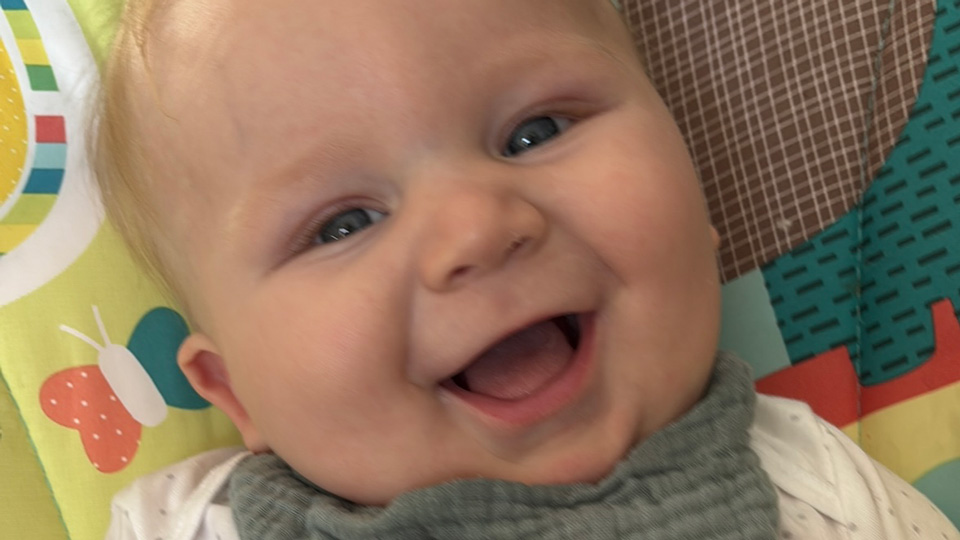
Freddie’s father, Joey Underhay, highlighted that participation in the Generation Study had changed his son’s life “phenomenally.”
“We were told that the first six months are vital in diagnosing and treating the condition. There’s no telling at what point it would have been discovered if we hadn’t taken part and what might have happened,” he said.
The Generation Study aims to screen 100,000 newborns for rare genetic conditions between 2024 and 2027.
Genomics England chief executive officer, Dr Rich Scott, highlighted that genomics has the potential to transform healthcare in the UK and “get ahead of serious illness.”
“It’s been incredibly moving to see the life-changing impact the Generation Study is having for families like Freddie’s, who have been able to access treatment that makes a world of difference soon after being born,” he said.


Comments (0)
You must be logged in to join the discussion. Log in