


04 June 2026
A warm smile, open body language, an attentive expression – sometimes the smallest actions can make a big difference to a practice’s youngest patients.
Every member of the practice team has a role to play in ensuring that children feel welcome from the moment they walk through the doors of an optometry practice.
Even small interactions can help a young patient to feel relaxed and view the experience positively – potentially shaping their view of eye care for years to come.
OT spoke with optical professionals in different roles about how they approach offering children a relaxed and engaging experience in practice.
Staying flexible
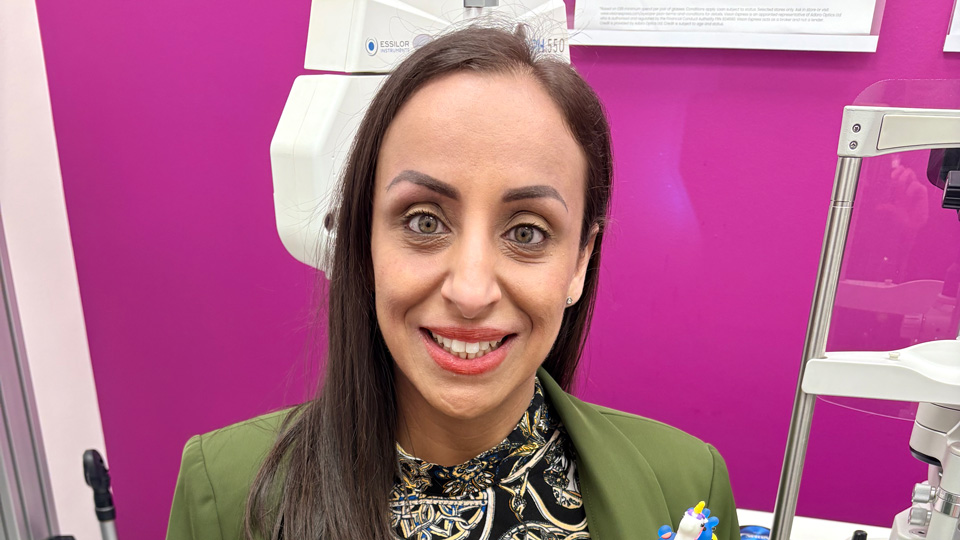
Vision Express optometrist, Kiran Sangha, told OT that making a child feel comfortable in practice starts long before the sight test itself.
“I make sure I’m smiling, open in my body language, and focused on them rather than speaking over them. I ask about their day, what they enjoy, and I weave this into the sight test,” she said.
“If they love Paw Patrol, Chase might suddenly be ‘sitting on my shoulder’ to help direct fixation. It breaks the ice and gives them something familiar to anchor to,” Sangha shared.
The optometrist is flexible with her routine when she is testing children.
“I let the child lead: it’s what they want to do first, what equipment they’re curious about, and how much they want to engage,” she said.
Although Sangha will speak to the child’s parents or carer to take on board their questions and concerns, she also checks with the child directly.
Sangha’s top tip is to meet children exactly where they are – both physically and metaphorically.
“Go out to greet them, get down to their level, introduce yourself warmly, and keep the whole interaction positive and pressure‑free. A fluid, flexible sight test builds trust,” she said.
“Children remember how you made them feel, and a good experience in the test room can shape how they approach healthcare for years to come,” Sangha added.
A rewarding role
Dispensing optician and director from Specsavers Falkirk and Specsavers Grangemouth, Zander McNaughton, shared that working with children is one of the most rewarding aspects of working as a dispensing optician.
“I enjoy helping them feel comfortable and confident during their visit, especially if they are nervous about the eye test journey or wearing glasses for the first time,” he said.
“It’s amazing to know that improving a child’s vision can have a positive impact on their academic performance, development, confidence at school and in everyday life,” McNaughton highlighted.
Reflecting on his approach to paediatric dispensing, McNaughton noted that his focus is on creating a relaxed and friendly environment.
“I communicate in a simple and engaging way, so the child understands what is happening and feels involved in choosing their glasses,” he said.
He noted that, as a medical device, it is important that frames are suitable, comfortable and correctly fitted.
McNaughton helps to guide parents on the best frame and lens options for their child’s lifestyle and prescription.
“My top tips for enhancing a child’s eye care experience would be to be patient, use clear and age-appropriate language, involve the child in frame selection, and ensure the fit of the glasses is accurate and secure,” he said.

Magic moments
Optometrist and ophthalmic director of Specsavers Falkirk and Specsavers Grangemouth, Gabriel Ferriol Pericas, told OT that using ‘fun’ fixation targets can be helpful for capturing the attention of young patients.
“This improves reliability and allows a more accurate assessment of ocular alignment, which can be critical in paediatric optometry,” he said.
When measuring stereopsis in children, Pericas reframes the TNO or Titmus stereo tests as a ‘magic book’ and ‘magic glasses’ to help motivate young patients to find the 3D images.
Reflecting on his top tips when testing children, Pericas highlighted the value of building rapport early in the appointment.
“Make a positive comment about them being here, show genuine enthusiasm about checking their eyes and show specific praise to reinforce their effort,” he said.
“Keep the interaction light-hearted and short, creating an entertaining and memorable visit that leaves the child feeling proud of how well they have done,” Pericas shared.
It’s much more than seeing if they need glasses. Children’s vision plays a huge role in their development, their education and enjoyment of life
David Burghardt Vision Care director, Richard Spencer, emphasised the importance of children’s eye care.
“It’s much more than seeing if they need glasses. Children’s vision plays a huge role in their development, their education and enjoyment of life,” he reflected.
Spencer highlighted the importance of treating each child as an individual.
“Every child is different, at different stages of development, of understanding, and they may have additional needs. Build your routine around them – they’re not just small adults,” he said.
The dispensing optician and student optometrist noted that an eye examination can be intimidating for a child – particularly if it is their first visit.
Spencer has found finger puppets useful in capturing a child’s attention during the eye examination.
“Try to make it a fun experience – it makes it easier for both the child and yourself,” he said.
Spencer also encouraged optometrists to be patient when testing children and accept that the eye examination will not run as smoothly as it might with an adult patient.
“Get them back for a second visit if you need to investigate further,” he advised.
While Spencer will speak to the parent or carer during the eye examination, he also takes care to engage with the child – adapting his communication style to their level of understanding.

A reassuring experience
David Burghardt Vision Care student dispensing optician, Emily Elmore, told OT that her own experiences of eye care growing up has shaped her approach to offering children’s eye care.
“Both positive and challenging moments have helped me better understand how a child might feel whether nervous or excited. I aim to create the kind of experience I would have valued myself – which is supportive, clear, and reassuring,” she said.
“It’s important to me that children leave feeling comfortable and happy with their glasses, rather than overwhelmed,” Elmore shared.
She added that glasses can make a “huge difference” not just to a child’s vision but to their education and self-esteem.
“It’s rewarding to be part of that positive change and to build trust with both the child and their parents,” Elmore said.
When interacting with children, Elmore aims to make the experience relaxed, engaging, and age-appropriate.
“I take time to communicate in a way the child understands, often involving them in choices so they feel a sense of ownership over their glasses and want to show them off,” she said.
Elmore observed that prioritising comfort and fit can help to ensure that children wear their glasses. She also emphasised the value of engaging with children directly.
“Even young children appreciate being included in decisions,” she said.
Adapting the sight test
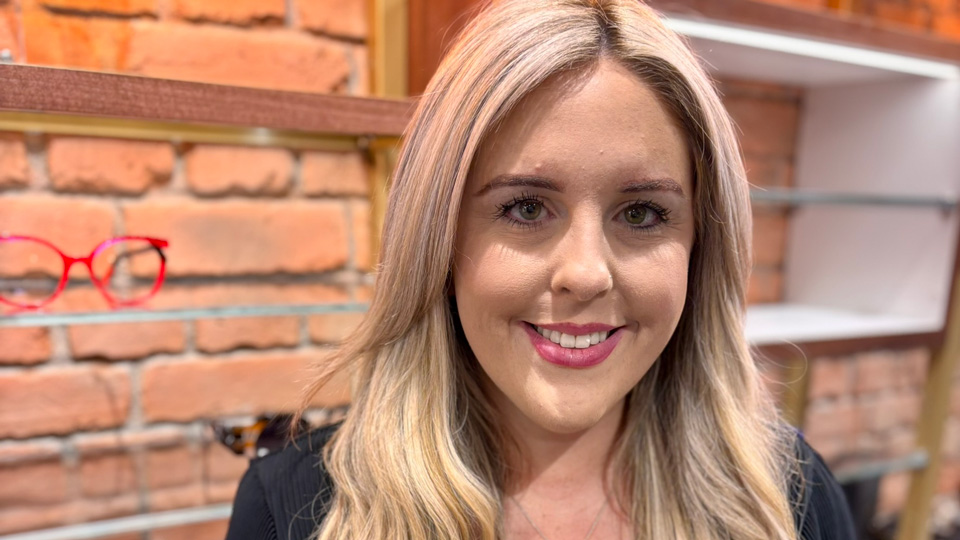
Optometrist Rachael Smith, from Rawlings Opticians in Winchester, highlighted that mirroring a child’s language and posture can help to put them at ease.
“I will change around my routine according to the age of the child as it’s important to get the vital measurements early on while the child is engaged and concentrating,” she said.
Smith added that while it is important to work fast to make the most of a child’s concentration, an optometrist should not appear to be rushing.
If a child is particularly active or non-cooperative, Smith emphasised the importance of remaining patient and calm.
“When it comes to giving advice at the end of the appointment, praise and reassurance are needed,” she said.
“Use simple language and explanations that a layperson will understand – don’t slip into using industry terms,” Smith added.
Optometrist, Katie Vince, of Rawlings Opticians in Stockbridge, told OT that when she is testing children she demonstrates all the techniques she will perform.
For example, Vince will shine the retinoscope beam on her hand before shining it in a young patient’s eyes and occlude her own eyes before occluding the patients.’
Vince highlighted the value of making the sight test fun when examining children – and including them in the conversation as well as the parents or carer.
“Accept your test may not be ‘perfect’ or run as you normally would and that’s OK,” she observed.
A warm welcome
Dispensing assistant, Kat Roberts, of Rawlings Opticians in Alresford, told OT that she focuses on maintaining a calm presence and giving every child who enters the practice a warm welcome.
“I always make sure I smile to give a good first impression,” she said.
Receptionist and optical assistant, Emma Stride, who also works in the Alresford branch of Rawlings Opticians, told OT that she gets to know the children who come through practice by asking open questions about their favourite hobbies and activities.
Stride will talk with children at their height, use their name, and offer them a sticker after the eye exam.
“I started wearing spectacles at the age of 11, so that has helped me in how I approach children who wear glasses,” she said.
It’s our job to ensure a great frame size and fit, but that shouldn’t get in the way of an enjoyable experience
Dispensing optician, Phil Harrison, who is the manager of Rawlings Opticians in Alresford, told OT that in his role he aims to make children confident rather than begrudging glasses wearers.
“I take the time to help pick frames that can help them show off their personality and make them feel as comfortable as possible,” he said.
He advises optical professionals who are parents to treat children who come through the practice as they would want their own children to be treated.
“Make sure you never let them feel like they are invisible,” he said.
Harrison shared that when he first started wearing spectacles at the age of 13, he was hesitant about becoming a glasses wearer.
“The person who served me at the time helped me see the benefits of wearing glasses – that is now how I try to treat each child getting their first pair of spectacles,” he said.
The practice environment
As a practice manager, Harrison has ensured that Rawlings Opticians is a comfortable and welcoming environment for children – with children’s books and building blocks in the waiting area.
“This helps as it means they do not have to sit still waiting to go through. Kids love to keep moving and playing, so it’s good to help give them this option,” he said.
Ant Neale, a dispensing optician and practice manager for the Banstead branch of Rawlings Opticians, shared his commitment to sourcing appropriate frame collections for young patients.
“It’s important not to simply source adult frames that have been shrunken down, but to look for options that have been specifically designed for a child’s developing facial anatomy,” he said.
“Durable materials, such as TR90, ensure longevity and comfort, and a wide variety of colours give patients plenty of options and keeps them engaged and excited when selecting their new spectacles,” Neale shared.
He added that dispensing glasses to children should be a fun experience for both the patient and their parent or carer.
“It’s our job to ensure a great frame size and fit, but that shouldn’t get in the way of an enjoyable experience for all,” Neale said.
As a dispensing optician, Neale enjoys being able to shape a child’s perception of eye care and spectacle wear – especially for first time glasses wearers.
“First impressions count, so a child’s first pair of spectacles and their experience around having them dispensed can be incredibly lasting,” he said.
First impressions
Receptionist and optical assistant at Rawlings Opticians in Stockbridge, Molly Irvine, highlighted the value of first impressions when seeing children in practice.
“Many children may be nervous, especially if they’re young or haven’t been to an optometry practice before,” she said.
"Always try to greet them with a smile even if you’re busy or tired – visiting the practice can be scary for them and a little kindness can go a long way,” Irvine shared.
Becky Chiverton, a dispensing assistant at the Stockbridge branch of Rawlings Opticians, shared that she focuses on being enthusiastic about the sight test and making it seem exciting to young patients.
Chiverton, who has worn spectacles for myopia from a young age, encouraged practitioners to consider the way they use language when talking with children.
“Being told I had a ‘high prescription’ always made me feel like there was something wrong with me, and I would be nervous to know if it had got worse again,” she said.
She added that using negative language with children can make them feel downhearted and mean they do not look forward to their next visit.



Comments (0)
You must be logged in to join the discussion. Log in