


10 April 2025
Optometrists and dispensing opticians will celebrate one of the most important days in the Sikh calendar next week.
Within India, Vaisakhi is a spring harvest festival that recognises the first day of the month of Vaisakh, which falls around mid-April every year.
For Sikhs, Vaisakhi has a deeper spiritual significance – commemorating the formation of the khalsa [initiated Sikhs] in 1699.
OT spoke with practitioners about the significance of Vaisakhi and how they approach marking the day.
My Vaisakhi
Optometrist and AOP councillor, Jagdeep Kaur Gill, on childhood celebrations in Punjab and the uplifting sound of many voices singing in unison
Vaisakhi has been celebrated for centuries in the Indian subcontinent, marking the end of the harvest festival, which was crucial for the predominantly agricultural population. The Vaisakhi of 1699 holds special significance for Sikhs, as it was the day when Guru Gobind Singh called upon those willing to sacrifice their lives for a revolution. Five individuals stepped forward and were initiated with amrit [nectar] using a double-edged sword.
This event formalised the Khalsa, signifying a commitment to the Guru’s mission of creating a better world. From that moment on, khalsa members were to adorn the five Ks: kanga [wooden comb], kara [iron bangle], kachera [long undergarment], kes [uncut hair] and kirpan [sheathed blade]
This, in itself, was a revolutionary act in a society where even individual appearance was determined by the status quo. Caste-based surnames were abolished, and initiates adopted the names Singh, for men, and Kaur, for women.
Guru Gobind Singh envisioned Vaisakhi as a pivotal moment – creating a new society that would elevate the common man from a state of subjugation to one of empowerment and leadership. It was about empowering the ordinary person to rise as a sovereign being and engage with the world.
Vaisakhi celebrations typically begin with attending the Gurdwara [place of worship], and for the past two years, we've organised children's activity days there. Our day starts early, with the whole family helping to set up for the event and ensuring everything is ready for the activities. These activities aim to teach children about the significance of Vaisakhi and Sikh values in a fun and engaging way.
My first memory of Vaisakhi is from Punjab, where I spent most of my early years. In Punjab, various melas [festivals] take place. These vibrant gatherings offer everything from sweet treats to toy stalls and rides. It was also a wonderful opportunity for the whole family to come together. I have nostalgic memories of the delightful aroma of sweet fried treats like pakoras [vegetable fritters] and jalebis [deep fried sweet] filling the air, making the celebration even more special.
As I’ve grown older, the significance of Vaisakhi has deepened for me. While the excitement of the mela and the joy of family time remain a fond part of the celebration, I've come to appreciate the deeper spiritual meaning behind the day.
For Vaisakhi, my mum would typically make pakoras, using different vegetables, such as potatoes, onions, and cauliflower. These vegetables would be tossed with gram flour and spices to make the batter. The mixture is then fried, resulting in crispy pakoras that are crunchy on the outside and soft on the inside. They are usually served with a tangy chutney, making them the perfect snack to enjoy at Vaisakhi.
Attending the Gurdwara with the sound of the entire congregation singing hymns from the Guru Granth Sahib [holy scripture] is an experience like no other. On any given day, hymns are recited from the Guru Granth Sahib but during Vaisakhi, Sikhs make a special effort to seek sangat [congregation]. Even those who live far away from the Gurdwara make the effort to attend and participate in the congregational prayers. This collective devotion creates a truly divine experience.
Vaisakhi is a celebration that engages all the senses
My Vaisakhi
Newmedica Gloucestershire operations director, Jagtaar Singh, on treating people from all walks of life equally and the pure joy that comes with the first taste of parshad
This Vaisakhi, my family and I will be visiting our local Gurdwara to take part in the celebrations. The day will be filled with prayers, the singing of Sikh hymns, and langar – a free vegetarian meal served to everyone, regardless of religion, caste, or background.
Langar is a fundamental part of Sikhism, symbolising equality, unity, and selfless service to humanity. It’s a reminder that we are all one, and no one should go hungry or feel excluded. Vaisakhi is not only a time for reflection and gratitude but also an opportunity to come together as a community and embrace the values of kindness, humility, and service.
What I enjoy about Vaisakhi is the colour, the joy, and the incredible atmosphere. Vaisakhi is a time for family, community, and celebration. As a family, we come together to share a meal—typically saag [spiced spinach] and makki di roti [cornmeal chapatis], a traditional dish that reflects the harvest season of Vaisakh.
My children especially love the activities at the Gurdwara, where they learn about the history and significance of the day in a fun and engaging way. There’s an amazing buzz in the air, and as part of the celebrations, we also visit family and friends, sharing boxes of Indian sweets as a gesture of love and gratitude.
One of my earliest memories of Vaisakhi is visiting the Gurdwara as a child and witnessing a gatka [Sikh martial arts] display. I can still remember the rhythmic beat of the drum, the clash of swords, and the powerful battle cries echoing through the air, all set against the backdrop of Sikh prayers. The energy, skill, and devotion in that moment were truly unforgettable.
Vaisakhi is a celebration that engages all the senses. The deep, rhythmic beat of the nagara [battle drum] combined with the soothing melodies of kirtan [classical Sikh hymns] creates an atmosphere that is both powerful and uplifting.
The rich smell of freshly prepared parshad [a sweet pudding] throughout the Gurdwara is something I will always associate with Vaisakhi – warm, comforting, and symbolic of equality. And, of course, the first taste of that parshad, with its soft texture and sweetness, is a moment of pure joy.
For me, one of the strongest values in Sikhism is equality – regardless of faith, gender, background, or beliefs. In our daily working lives, we encounter people from all walks of life, and ensuring that each individual is treated with respect, dignity, and fairness is something I hold as a core principle.
As I have grown older, Vaisakhi has certainly become more about the kids for me. I hope they grow to have the same fond memories and experiences that I had growing up.
Vaisakhi in pictures
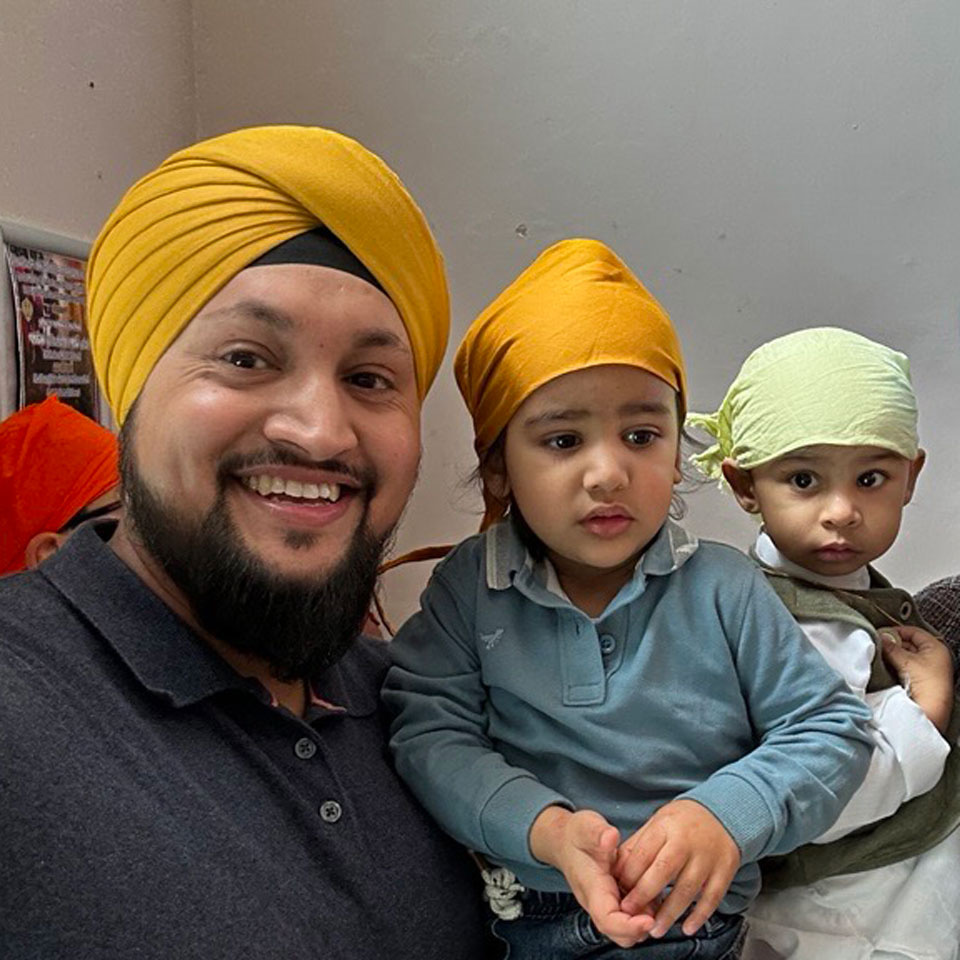
Newmedica Gloucestershire operations director, Jagtaar Singh, on left, celebrates Vaisakhi
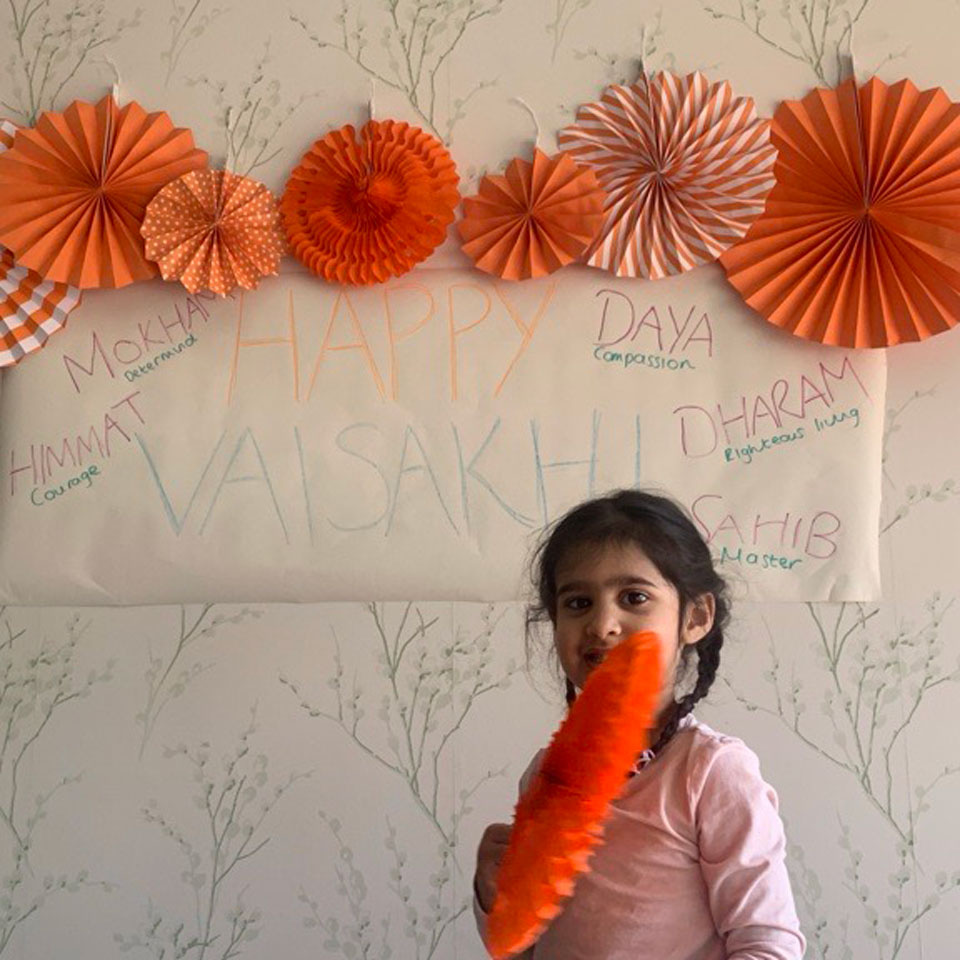
Jagtaar Singh’s daughter, Sansaar Kaur, below a banner celebrating Vaisakhi
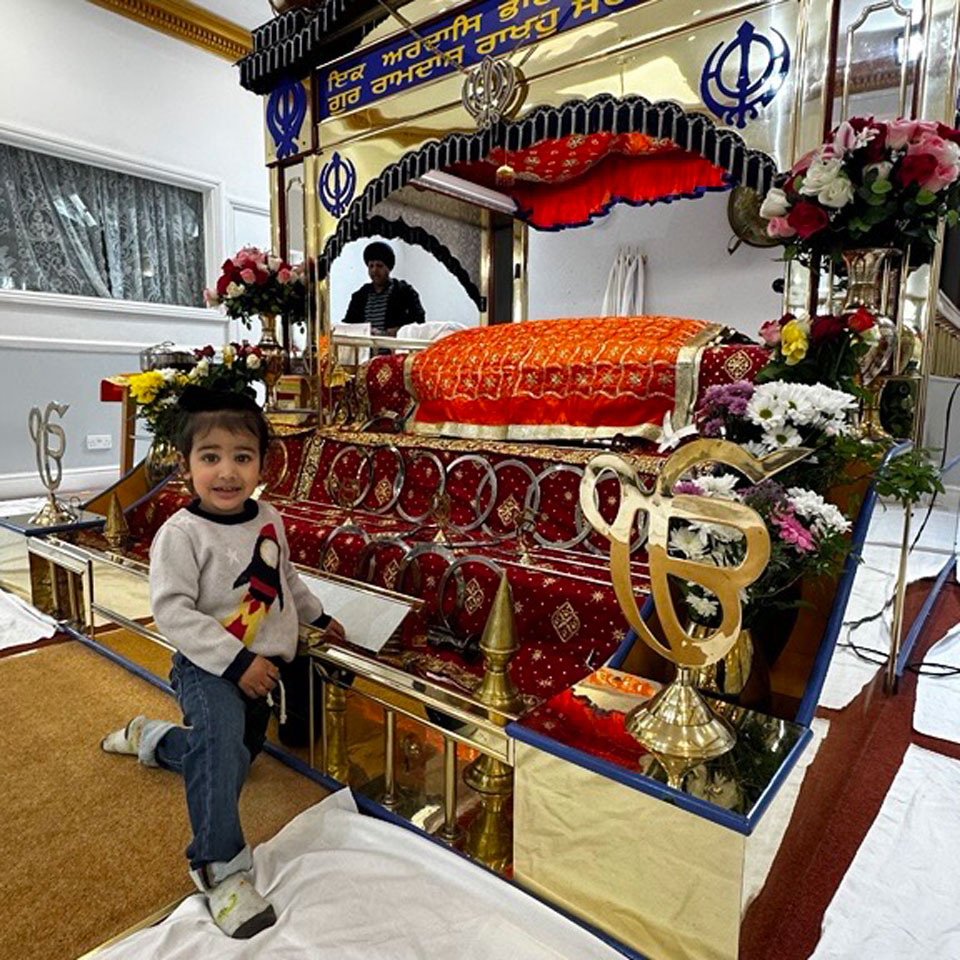
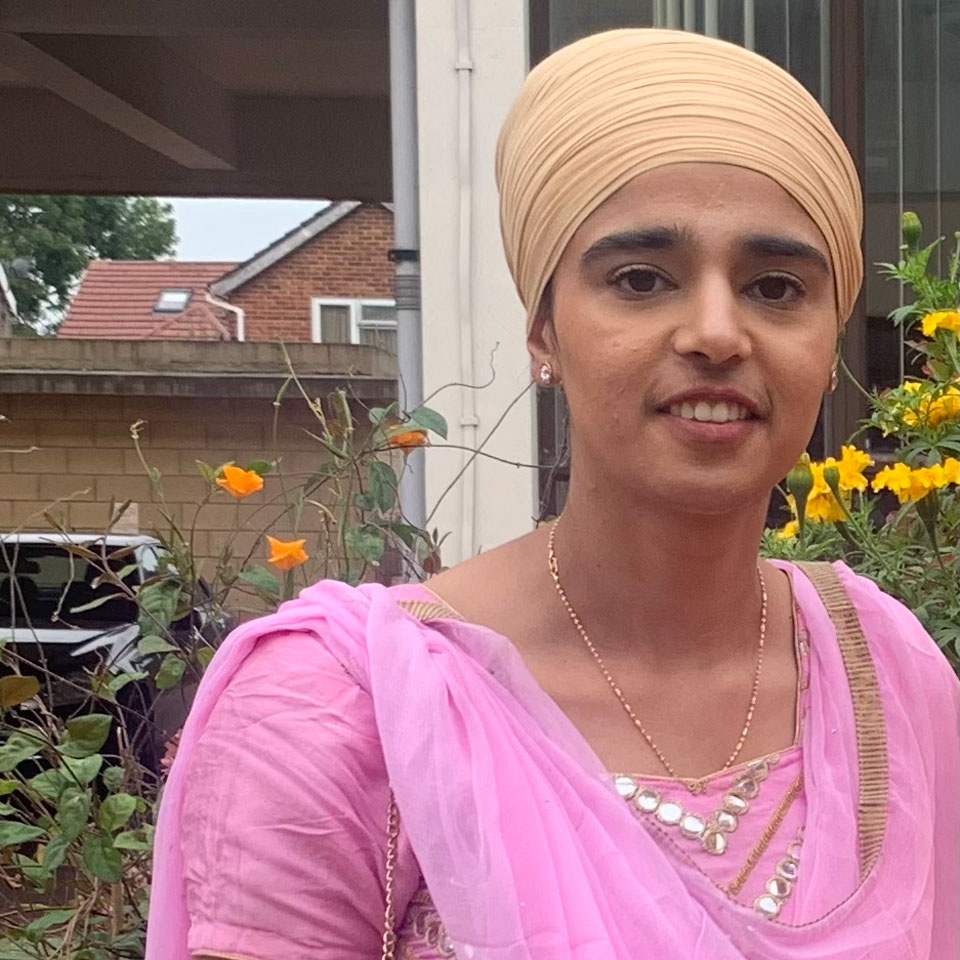
Optometrist and AOP councillor, Jagdeep Kaur Gill, celebrates Vaisakhi
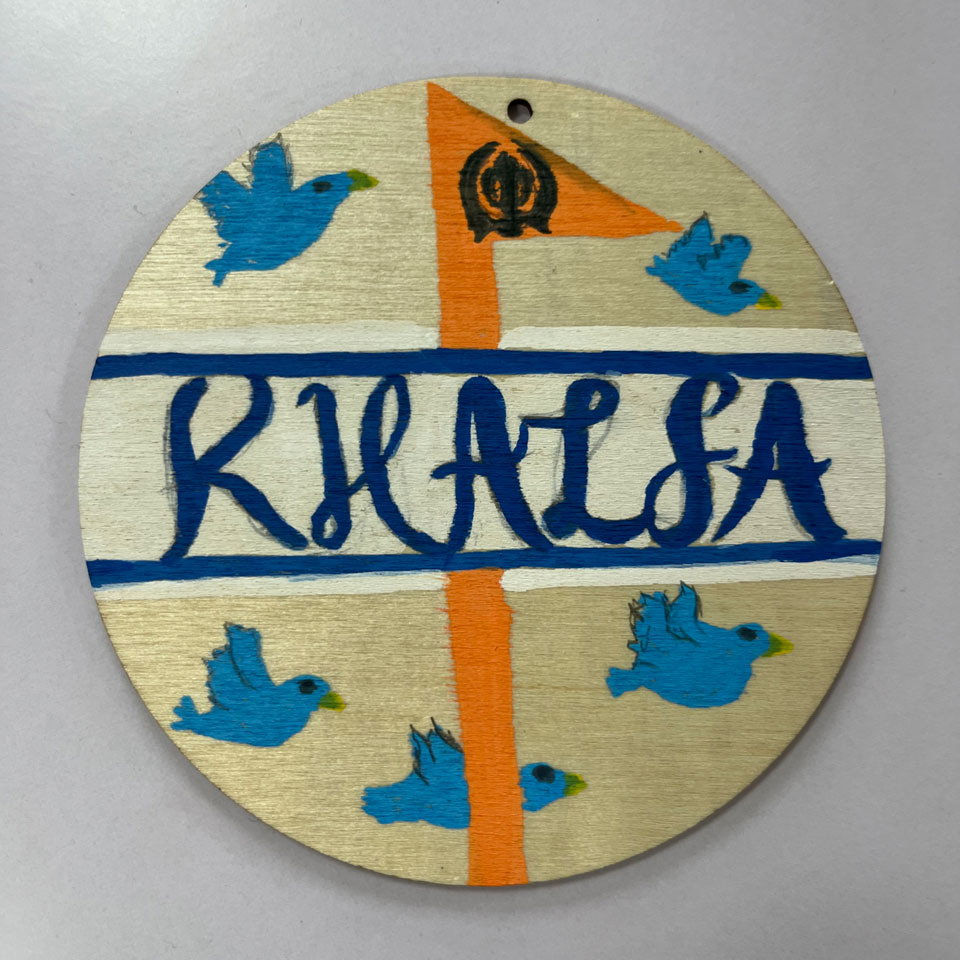
Artwork created as part of children’s activities organised by Jagdeep Kaur Gill’s East London Gurdwara
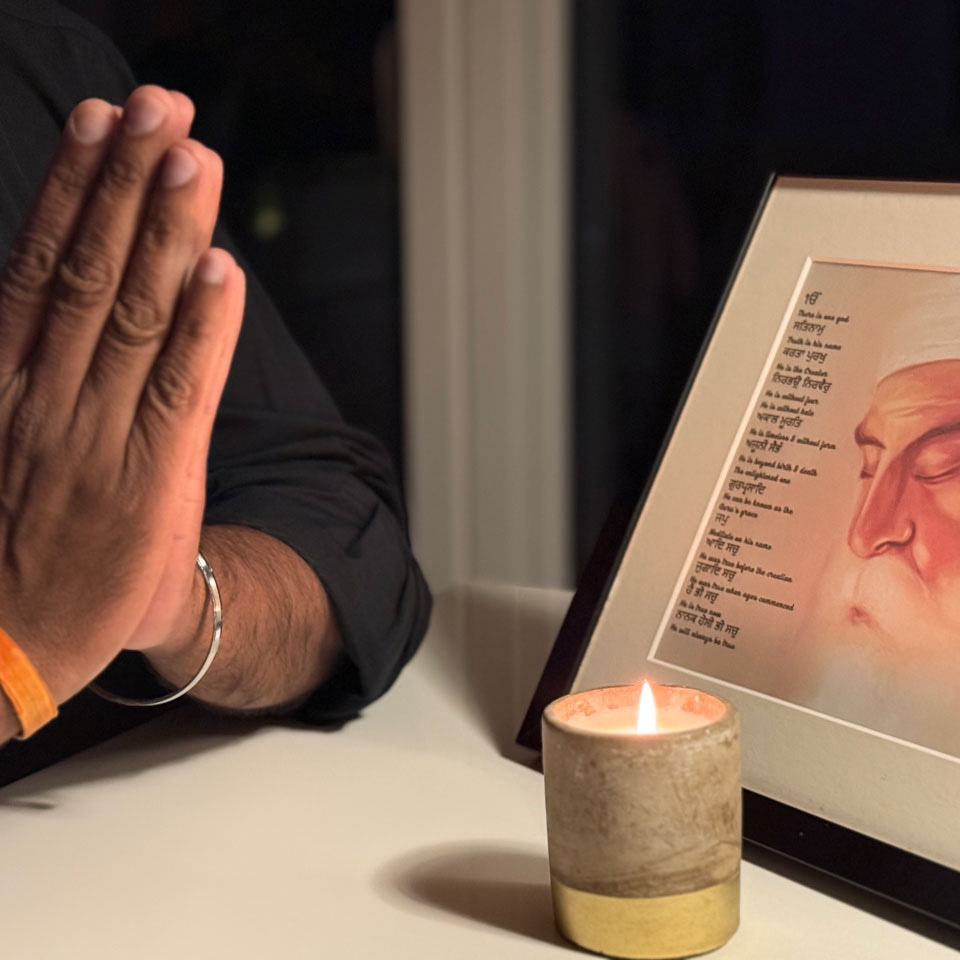
Optometrist and AOP councillor, Kamal Kalsi, wears a bracelet made with material from the Sikh flag
My Vaisakhi
Specsavers West Bridgford optometrist partner, Gurbeer Sivia, on hosting four generations at his house
Vaisakhi has both a cultural and religious significance – it is celebrated by Punjabis, whether they are religious or not, as it marks the start of the harvest season. It is also a day of great religious significance, marking the occasion when the khalsa was created to fight oppression and uphold the basic freedoms of everyone.
For Sikhs, Vaisakhi is an opportunity to remember those historical events, but it's also a reminder that we should take this as an opportunity to think about what our roles are in life, where we are in our spiritual journeys, and what we can do to continue to serve humanity going forward.
On Vaisakhi, family will come over in the evening after work and we will go to the Gurdwara. We will sing hymns together, take part in meditation sessions and spend quality time with friends and family. It’s a really good bonding opportunity.
There will be a lot of cooking involved as we will host the whole family. We are lucky enough to have four generations to celebrate with – my grandparents and my little ones too. We will have pakoras, samosas and maybe something sweet like jalebi. Often it is hard to find the time to see friends and family, but when this festival comes around, everyone comes together.
When I was a child, I would take part in the nagar kirtan [procession] with my mom and dad. We would hold an orange flag, which is a symbol of Sikhism. Now I do the same thing with my children. To pass that flag from generation to generation is quite an emotional feeling.
My first memory of Vaisakhi is going to the nagar kirtan inSmethwick as a six-year-old. I remember the wonderful colours, the balloons and drums. There were motorcyles at the front of the procession.
Vaisakhi celebrations in the UK have growing bigger over time as the Sikh community has grown. The visibility of the Sikh community has also increased – for example, there are more Sikh MPs in parliament. The British Army has introduced camouflage turbans. When I was growing up, if we saw a Sikh on TV, everyone would come running because it was such a big thing. We are a little bit more out there now.
Although there are many differences between people, if you try to understand the person next you – the significance of their appearance or what is important to them outside of work – it helps to break down barriers. A lot of the time you realise that people have more in common than what makes them different.
Everyone is welcome to come and eat, regardless of faith or social status
My Vaisakhi
Optometrist and Newmedica head of clinical proposition, JagdeepSingh, on teaching his children about Vaisakhi
Vaisakhi is a time for spiritual reflection and an opportunity for Sikhs to come together, connect to our faith and also celebrate our values and identity. My family and I will start the day by going to our local Gurdwara for prayers. We take the opportunity to carry out sewa [acts of service] by preparing langar, cleaning dishes and supporting charitable activities.
What I enjoy most about Vaisakhi is the unity and belonging that it brings, whether it’s through participating in a nagar kirtan, visiting my local Gurdwara or enjoying the food and festivities with family and friends.Growing up, I remember my dad putting me on his shoulders when we took part in the nagar kirtan and being able to see how many people were in the procession.
The nagar kirtan has a real feeling of community. Free food is distributed to everyone. It is an opportunity not only to engage with the Sikh community, but with people from all different backgrounds and faiths. Last year, in Wolverhampton, we had around 40,000 people in the procession.
As I have become older Vaisakhi has become an occasion for me to reflect on my blessings, the teachings of our Gurus and to reaffirm my commitment to the principles of Sikhism such as sewa, equality and devotion.
Karah parshad is scared sweet offering in Sikhism and distributed to all those visiting a Gurdwara. It is made with equal portions of whole wheat flour, clarified butter, sugar and double the quantity of the water. Since my childhood it has been a tradition in our house that my mum will make karah parshad in the kitchen on the day of Vaisakhi.
At home, my wife and I read the story and history of Vaisakhi to our son and daughter and tell them about the teachings ofour Gurus. For us, it’s about instilling the same principles that our parents shared with us at a young age. We are fortunate because our local community, and communities across the UK, have been open to us practising our faith. We can continue to instil the same values that have been passed down through the generations.
My Vaisakhi
Optometrist and Hertfordshire University optometry lecturer, Jugjeet Singh, on how langar sees people from all backgrounds sit at the same level
Vaisakhi is a time of year where it is most common for Sikhs to have their initiation ceremony. When we take amrit, we think of it as being reborn. So, in a way, we have two birthdays – our natural birthday and the day we took amrit on.
For myself, I will consider the year that has gone by and reflect on whether I have bettered myself from a spiritual perspective. On Vaisakhi, we will spend time with family and visit the Gurdwara. We will listen to the prayers and hymns, and perform acts of selfless service such as helping with the langar. This has huge significance in Sikhi – food is served without discrimination. Where I live in South East London, if you go to the Woolwich Gurdwaraat lunchtime you will find all sorts of people there – supermarket workers, town hall staff and homeless people. Everyone is welcome to come and eat, regardless of faith or social status.
Vaisakhi is a period of huge spiritual and religious significance, and it also coincides with the days getting longer and the weather becoming warmer. It is a positive and joyous time.
Music is very important in our Sikh tradition, because most of our religious texts are written in raags – a north Indian Pakistani phrase which means to colour the mind with a certain emotion. Most of our scriptures can be played to music. The energy from that sound can be very uplifting.
Things have changed for the better from when my parents first came to England. The concept of doing a nagar kirtanin the 1960s in the UK was probably unheard of. Now schools have things like Vaisakhi week – we never had anything like that when I was at school in the 1980s. That can only be a good thing. If people can understand each other by learning about our traditions and religions, then the walls that exist between communities can be broken down.
My Vaisakhi
Optometrist and co-founder of Out of the Box Optics, Gajan Singh, on his first memory of Vaisakhi and the vibrant atmosphere of the nagar kirtan
Vaisakhi is an opportunity to commemorate both historical and ongoing struggles. It is a chance for the Sikh community to come together and remember those who have made sacrifices for us in the past, as well as reflecting on the revolutionary paradigm shift that took place in 1699. Equality, justice, service and compassion are just some of the virtues that were consecrated on that significant day. A Sikh's identity, and duties that come with this, were cemented. It is our duty to stand out, and to stand up, against tyranny and injustice.
The word Gurdwara means the door to the Guru, and Guru translates to one who takes you from darkness into light. A Sikh disciple and their Guru are interlinked like a drop of water within the ocean.
During Vaisakhi, the bright flag outside each Gurdwara will be reset with fresh fabric, much like how nature resets in spring.
There is a sense of social responsibility as part of the nagar kirtan, with people preparing food to give out to the community, or taking responsibility for sweeping the streets after the procession. It’s a very positive and vibrant atmosphere.
My first memory of Vaisakhi was seeing the martial arts display when I was nine or 10 as part of the East Ham nagar kirtan. I was in awe of what they could do. It was exciting – I remember being astounded by the sheer number of people. There are old friends who I only see once a year, during the nagar kirtan, so it's a chance catch up and reflect.
There are some misunderstandings that surround Vaisakhi; for example, that receiving amrit is a baptism. The origin of amrit is to offer your head: to make the ultimate sacrifice as part of one’s duty. Amrit means ‘nectar of immortality.’ There is an understanding that our actions will be immortal as long as they a righteous. Another misconception is that Vaisakhi is the Sikh New Year, or that the nagar kirtan is a parade. It is a procession but there is a solemn purpose that underpins it. When our traditions are described, it’s important for our voices to be heard, rather than for the essence to be diluted.
I'm very heartened to see industry publications, such as Optometry Today, highlighting important events for its diverse readership. It does well to reflect the community we both represent and serve. Vaisakhi greetings to all!
My Vaisakhi
Cardiff domiciliary optometrist and AOP optometrist, Kamal Kalsi, on the ritual of refreshing the Sikh flag outside each Gurdwara
My fellow AOP councillor, Jagdeep, has described the significance of Vaisakhi very beautifully. Vaisakhi provides a great sense of community spirit and brings everyone together. As I have grown older, I have better understanding of the significance of the day compared to when I was a child.
I grew up in a small town in Tanzania. Preparations for Vaisakhi would start three days in advance at our local Gurdwaras, where the giani [congregation leader] would start reciting the Guru Granth Sahib. During the three days preparation, food halls would be open to anyone to come and eat. The langar would be prepared day and night. On the third day, after finishing the reading of the holy book, celebrations would start.
My mum would always make kheer [rice pudding] for us, sprinkled with almond flakes and raisins, normally served warm. The taste of it reminds me of Vaisakhi every time.
The Nishan Sahib [Sikh flag outside every Gurdwara] can be seen from a distance, above the houses, and lets people know that is where they can come to worship. People know when they see the flag that the Guru Granth Sahib is inside.
In Tanzania, at the start of the Vaisakhi celebrations, we would all gather around the Nishan Sahib. The flag would be lowered down, taken off the post, and repairs would be carried out. The flag is made from natural materials, such as silk or cotton, and the weather can cause a lot of damage over a year. The flag is washed and cleaned with milk, which is part of the ritual because it is believed to be pure. The flagpole is then dressed with a new yellow flag. The Nishan Sahib is then erected back up for another year.
Some people will take scraps of fabric from the flag that is no longer in use. Care is taken with the flag because the Nishan Sahib represents the Sikh community. The old flags are not just thrown away. In Tanzania, every few years a boat would be hired, and we would take the old flags out and lower them into the water. On my wrist, I wear a bracelet with a piece of flag fabric my mother brought over from Tanzania.

Diwali and Bandi Chhor Divas 2024
OT speaks with optometrists about how they will be commemorating the Hindu festival of light and Sikh day of liberation


Comments (1)
You must be logged in to join the discussion. Log in
Anonymous10 April 2025
A very colourful, vibrant and inclusive religion thanks for the insightful article.
ReportLike4