


28 January 2026
A research project has seen 135 types of intraocular lenses (IOLs) exposed to the harsh environmental conditions that are present in space.
Berkeley Eye Center ophthalmologist, Morgan Micheletti, MD, FACS, collaborated with the John A. Moran Eye Center’s Intermountain Ocular Research Center (IORC) at the University of Utah to send the IOLs to the International Space Station.
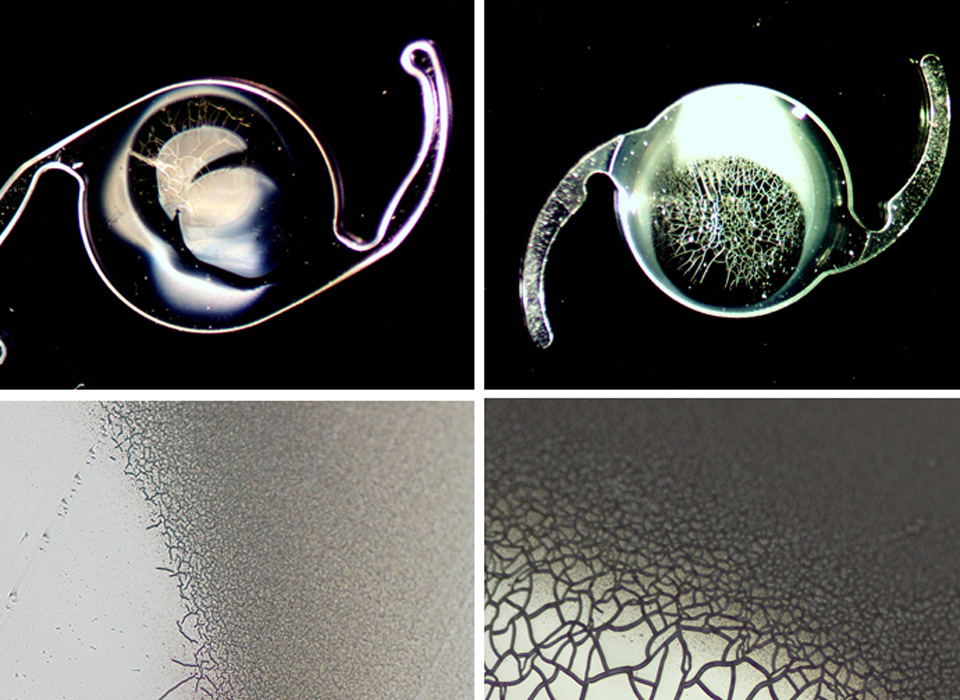
The lenses spent six months mounted to the International Space Station in special capsules where they were exposed to a range of challenging environmental conditions – such as high UV radiation, extreme temperature fluctuations, and elevated atomic oxygen levels.
Micheletti shared that one of his goals is to perform the first cataract surgery in space.
“Cataract surgery is the most common operation on earth. As space exploration advances, we believe it will one day become routine off Earth as well,” he said.
Co-director of the IORC, Dr Lilliana Werner, shared that the lenses displayed distinctive patterns – such as cobblestones, bubble wrap and burn scars – after exposure to the environmental conditions in space.
“These are damages I’ve never seen before,” Werner said.
“This damage does not happen on Earth,” she added.
Cataract surgery is the most common operation on earth. As space exploration advances, we believe it will one day become routine off Earth as well
Micheletti explained that the purpose of the project was to determine how IOL materials act in space.
“In my lifetime, someone will have cataract surgery off of this planet, and we need to figure out how to send lenses there,” he shared.
The project was delivered in partnership with NASA and the Space Center Houston materials testing programme.


Comments (0)
You must be logged in to join the discussion. Log in