


03 July 2025
Specsavers, in collaboration with Glaucoma UK, has provided a briefing note to MPs highlighting the role optometrists play in glaucoma care, as part of Glaucoma Awareness Week (30 June–6 July).
Explaining what glaucoma is, the briefing note sets out the personal and economic costs of the disease, and how community optometry could help support patient need in England.
The briefing note also outlines successful existing NHS community glaucoma services, where fewer patients have needed to attend hospital eye services, but highlights the “postcode lottery” of access to community glaucoma services.
Bhavik Parmar, a lead clinical performance consultant at Specsavers, explained: “The briefing highlights how optometrists have a key role to play because they can spot the early signs of glaucoma during a routine eye test. Most glaucoma patients will be identified in primary care optometry, with many cases detected during routine sight tests.”
“For patients with stable glaucoma, it talks about how optometrists have an ongoing role in monitoring their eye health and helping them to manage their condition,” Parmar said.
The potential benefits of commissioning community eye health services on long NHS waiting lists are also included in the briefing note, along with developments in effective integrated pathways for glaucoma patients in community settings.
Parmar said: “A significant proportion of those currently waiting for hospital eye care could be getting care more quickly if community eye health services were commissioned more consistently across the country.”
The importance of regular sight tests
Specsavers has highlighted the experiences of Rachel Parkinson, who has normal tension glaucoma, to highlight the importance of regular sight tests.
Parkinson, 45, attended a regular sight test in 2020 and had an optical coherence tomography scan (OCT).
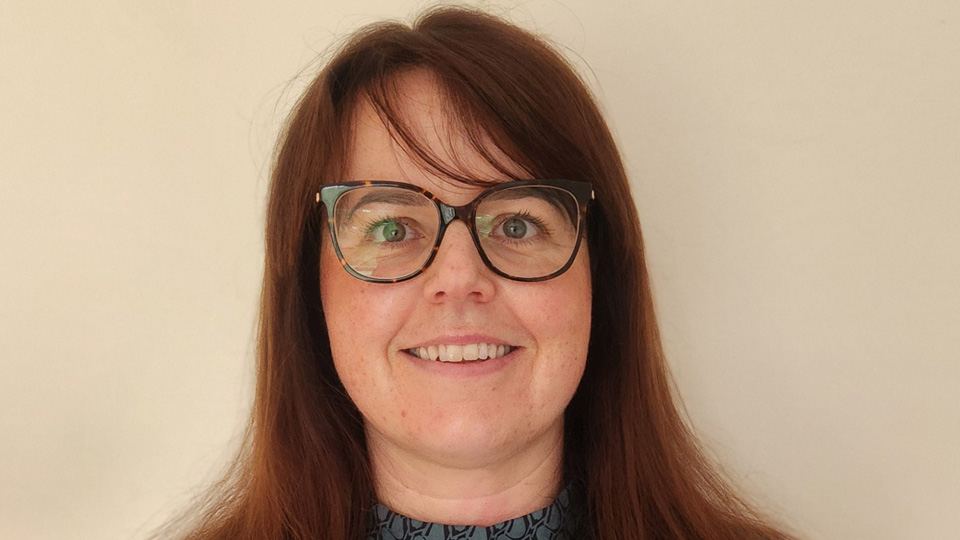
She shared: “The optometrist examined my eyes and the images from the scan and advised that I needed a referral for an ophthalmology assessment. This was just before lockdown, so unfortunately it was about a year later when I was seen at the glaucoma clinic at my local hospital.”
Explaining that she had not noticed any symptoms, Parkinson said: “Test results showed I had lost vision in my left eye as the glaucoma was already advanced. I thought older people got glaucoma but I’m young, I’m a mother, and I have a job.”
Following treatment, Parkinson now attends the glaucoma clinic twice a year for checks, continues to receive regular eye tests, and has support from Glaucoma UK.
Parkinson emphasised: “Without regular sight tests my glaucoma would not have been picked up. My sight had deteriorated without symptoms. I would strongly encourage everyone, whatever age you are, to get your eyes tested.”
Paul Morris, director of professional advancement at Specsavers, highlighted: “Glaucoma is more common than people think. In the last 12 months Specsavers has referred more than 100,000 people for follow-up glaucoma care and 30,000 were under 60 years old.”


Comments (0)
You must be logged in to join the discussion. Log in