


11 February 2025
In the weeks leading up to 100% Optical on 1–3 March, OT will highlight a key theme identified from the education programme and gather expert insight on why this might be a topic delegates could include in their CPD planning.
This week, OT looks at three sessions at 100% Optical that will explore topics related to patient communication, asking the speakers to provide a behind-the-scenes insight into their presentation.
1 Lecture with discussion workshop: The role of primary eye care professionals in the Eye Care Support Pathway
On 1 March, experts from Royal National Institute of Blind People (RNIB) will present a workshop exploring the role that optometrists and dispensing opticians can play at all stages of the Eye Care Support Pathway.
RNIB produced the pathway guidance and recommendations following collaborative workshops with patients and professionals to ensure no patient faces a diagnosis of an eye condition without support.
Louise Gow, head of optometry, low vision and eye health, and Preeti Singla, optometry and low vision engagement manager at RNIB will present a session on the support available for patients, how practitioners can find local services and link patients with vital support.How to ensure patients receive accessible information that is meaningful will be covered, giving patients an understanding of their situation, their options, and ensuring they have ownership of decisions around their eye care.
Delegates will have the opportunity to discuss what their practices currently do and what changes could be made.
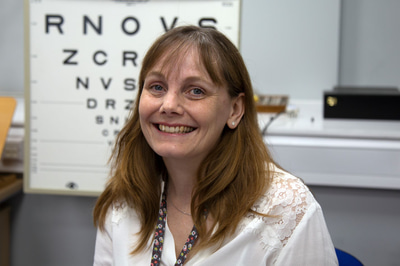
“We want people to feel empowered to know that everyone has it in their gift to ensure patients are supported, and have the tools to face an eye condition diagnosis,” she added.
The session will take place on 1 March in the Dispensing workshop, from 1–2pm.
2 Peer review: Effective communication and breaking bad news
Lorcan Butler, optometrist for The Brain Tumour Charity, will lead a peer review in the Dispensing workshop from 4.45–5.45pm discussing the importance of effective communication.
Butler told OT: “To be an effective communicator you have to show empathy to your patients at all times.”
He pointed out that communication skills haven’t always been prioritised in the education and CPD of optometrists.
“We as a profession are very good at detection and diagnosis, but unfortunately not very good at transitioning this into layman’s terms,” he shared, adding: “Empathy can’t be learned from a textbook. It’s a compulsory life skill that we all need to develop and excel in in this patient-centric industry.”
Butler said: “Breaking bad news will never be easy. Detach yourself from the clinician for two minutes to show your genuine compassion and empathy before returning to your professional tasks and responsibilities.”
Delegates who attend this session will have the opportunity to reflect, learn from previous conversations and consider how to approach breaking bad news in future.
3 Lecture with discussion workshop: Providing optimal care for people with learning disabilities
This session, held in the Dispensing workshop on 3 March from 3–4pm, will provide strategies for optometrists and dispensing opticians to optimise the support they provide to enable people with learning disabilities to achieve equitable eye care.
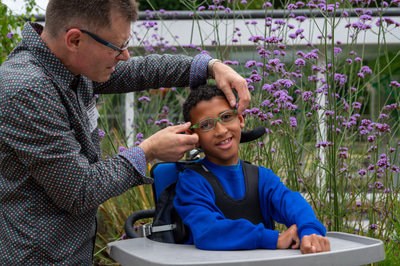
Donaldson said: “At SeeAbility, one of our key messages is everyone with a learning disability can, and should, have an annual eye test.”
The organisation highlighted that people with learning disabilities are 10 times more likely to experience a problem with their eyes, yet less likely to receive the eye care they need.
“In our session, we hope to equip optometrists and dispensing opticians with increased confidence in their ability to make a huge difference to the lives of people with learning disability by supporting them to get the most from their vision with the right glasses and support,” Donaldson continued.
The session will explore strategies for successful communication, along with case studies presenting some common clinical presentations in order to consider how to achieve optimal patient outcomes and successful spectacle wear.
If enhancing your skills in patient communication forms part of your plans for development in 2025–2027, why not make a start with education at 100% Optical? Visit the education programme to find many more sessions dedicated to this topic, and more.


Comments (0)
You must be logged in to join the discussion. Log in