
.jpg?rev=38bfe75414634f1fa438a7c6bca2cf14&hash=76E3579EE07E6176C1938D551BDA2999)

07 August 2026
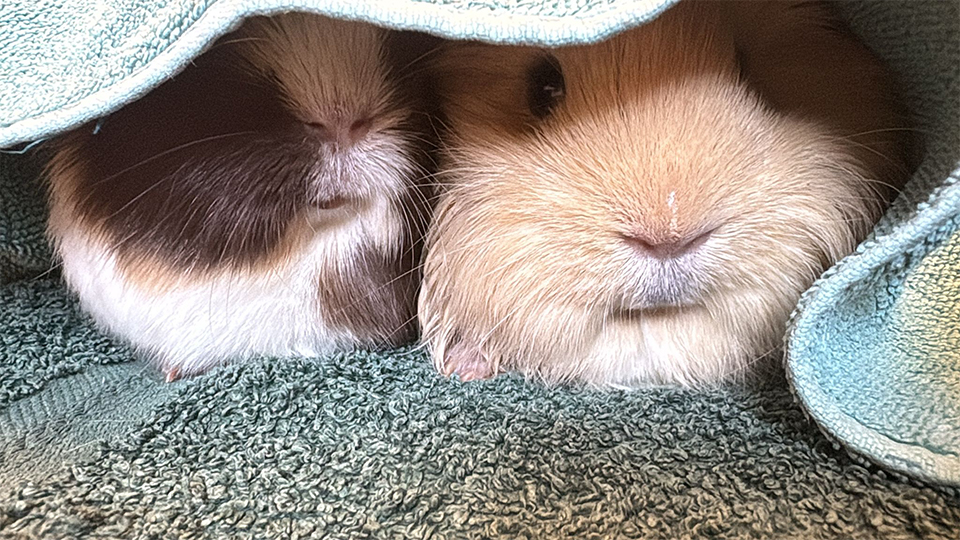
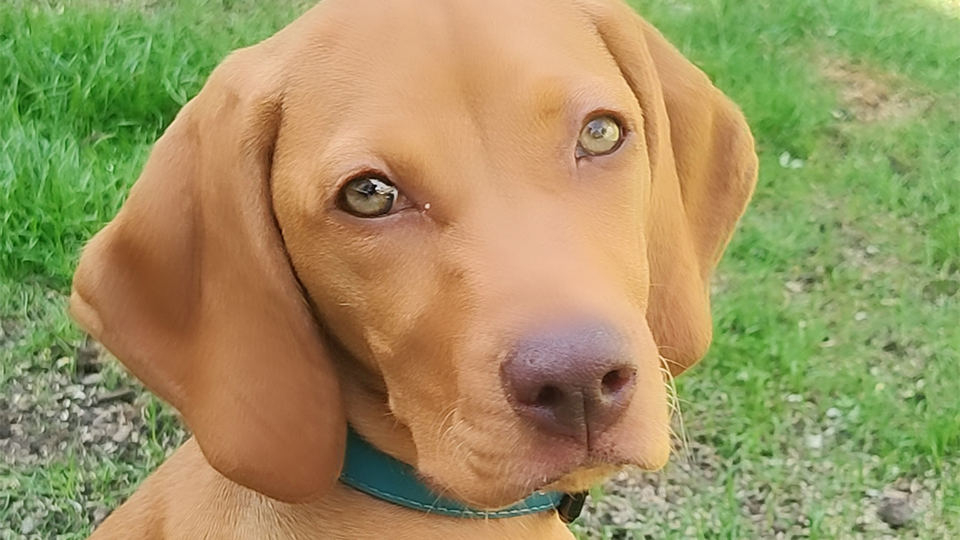
Sarah White, dispensing optician and owner of Bawtry Eye Academy, lives in Doncaster with her two daughters, four guinea pigs, and a dog called Amber. Before work, she is usually found cleaning out the guinea pigs, taking the dog for a walk, and drinking a big mug of decaf tea.
After work, she will usually be found prepping meetings for her role as the treasurer for her local optical committee, helping out a friend in her deli and wine shop, or transporting guinea pigs to and from the local rescue centre in her role as a guinea pig foster mother. Later in the evening, Sarah is usually found at the cinema with her daughters and her mum.
Her number one tip for prepping for the next day is to “live and die by your to-do list” – and to plan out the entire working week the Sunday before it starts.
Why did you decide to train as a dispensing optician?
I always liked helping people, but I also liked fixing problems, and I was always good at science at school.
I didn’t go away to university – I got married instead. I then trained as a dispensing optician as a day release course, in 1990. Some of the people on the course I'm still in close contact with now. A few of us opened practices at roughly the same time, so we’re all going through a journey together.
Can you tell me about your first day as a dispensing optician in practice?
Yes, it was very scary. It was in a purpose-built, newly opened Dollond & Aitchison practice in Doncaster. It was a huge, fantastic team, with five optometrists. I’m still in contact with some of them now. But I remember it being almost overwhelming, because it was so busy. I absolutely loved it.
What is your favourite thing about being a dispensing optician?
Following patient journeys, and being able to help them. As an independent practice, we see some interesting cases. You help somebody and you solve a problem, and then they come back to you, and then they’ll recommend somebody, and then you start seeing the family friend. You go through a journey with them. When they get grandchildren, they come in and show you photos. That's my favourite part – being involved and feeling like part of the community.
What is your most memorable customer experience?
A child had Down syndrome, and I dispensed his first pair of glasses. The look on his face when he could see his mum – honestly, I’ll never forget that.
When engaging with the public, what is your number one piece of advice?
You’ve got to listen to people rather than trying to solve a problem that you don't know everything about yet. That is so important. At my practice, we do take time with people, and we do get so much more back from customers and patients. They know we will sit and listen – we have a cup of tea with them, and find out all the little details. When you’ve got that connection, it builds loyalty, and people will share more with you. You end up knowing more information, to being able to better solve their problems. Listening is a skill.
You’ve got to listen to people rather than trying to solve a problem that you don't know everything about yet
Can you share your favourite moment of the day?
The 10 minutes before the first test, and the anticipation of what is going to happen and who is going to come through the door. We look at it as an opportunity to show people what we can do, rather than worrying about somebody coming in who is difficult. It’s always about the anticipation of how we can make somebody’s day better.
How valuable are your practice team colleagues?
They are everything. We are a very tight-knit team – we’ve always got each other’s backs. If you haven’t got somebody there who you can talk things through with, or that you can trust to do the job as well as you do, you’ve got nothing.
What is your top tip for working successfully with the optometrists in your practice?
We don’t have any hierarchy. I’ve worked in practices where optometrists aren’t involved in things. But optometrists are as much a part of the team as anybody. If I buy the staff a box of chocolates for doing something really good, everybody gets one. Even if an optometrist is a locum and doesn’t come very often, they still get one. Everybody is part of the team, and it’s a level playing field.
That’s probably the key to the success of how we work, because the optometrists are just as invested in the practice as everyone else. They can make suggestions, and they can contribute to how we work. If they have an idea, they are encouraged to put it forward.
What do you plan to do next to upskill in your career?
I’m always looking to develop myself. I do loads of continuing professional development, although at this stage, and because I am also a contact lens optician, I don’t want to do any more qualifications.
I became an AOP councillor so that I could work more towards developing my professional career, and to share some of the knowledge that I’ve got. After 35 years in practice, it’s more about what I can do to develop myself to be more instrumental in giving back. At my age, I’ve earned some experience points. We’ve done years of fundraising and charity work, and I feel that this is the next thing.
How do you see the role of the DO evolving over the next five years?
I would love dispensing opticians to have more stature, and to be more involved in the clinical side of things. I’m hearing of more dispensing opticians getting involved in doing visual stress assessments, and getting involved in community urgent eye care and minor eye conditions services. I think it would be nice to encourage people to get more clinical accreditation, and then be respected and used more in practice.
Equally, dispensing opticians training up optical assistants to get it right first time, rather than logging a remake, would be good to see. There’s more job satisfaction for a dispensing optician if they see a job being done well first time, because the patient experience is everything. Without patients, we wouldn’t be here. It’s about us giving back and being able to solve problems.
Is there one piece of technology or tool that you particularly enjoy using in practice?
I live and die by my ruler. No matter what tech we’ve got, I love my ruler.
I’ve also just got a meibographer. For dry eye patients, I love that, because you can actually see what is happening. That’s my number two.
What is the most important thing you have learnt this month in practice?
There have been so many learning opportunities. I’ve learned, this month, that there is so much more to learn.

Comments (0)
You must be logged in to join the discussion. Log in