


07 April 2026
This week (1–9 April), many Jewish optometrists and dispensing opticians in the UK will mark the Jewish festival of Passover.
Statistics from the General Optical Council show there are 248 Jewish optometrists and dispensing opticians working in the UK.
OT spoke with optometrists and dispensing opticians about what Passover means to them.
My Passover
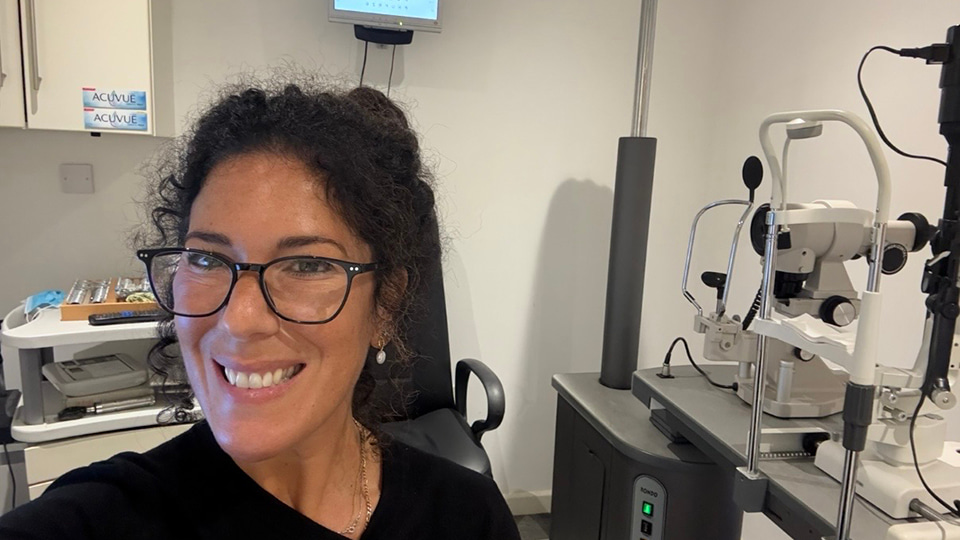
Optometrist, Louise Marshall, on the symbolism of food consumed during Passover and passing traditions on to the next generation
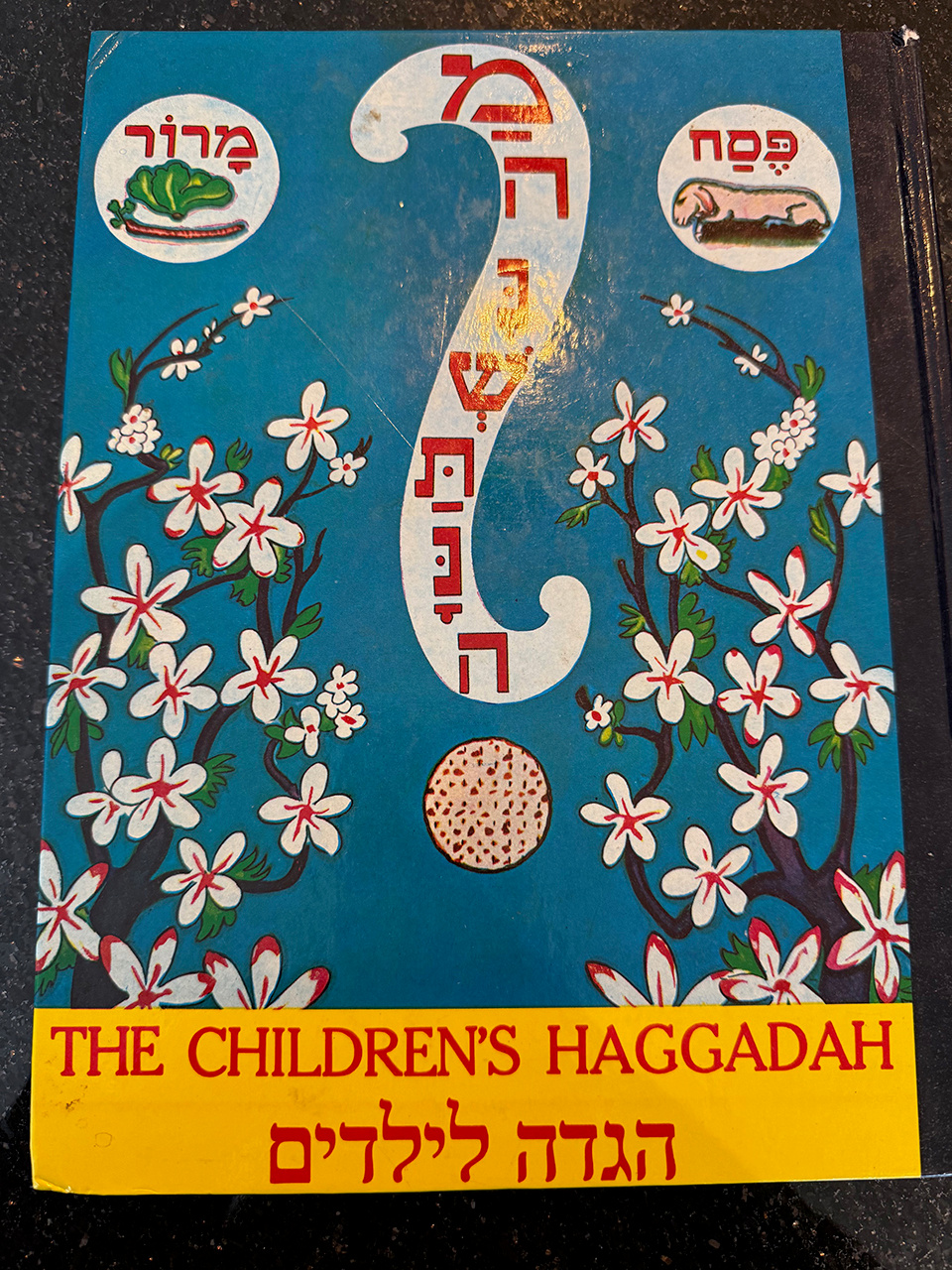
During Passover, there are two Seder nights where we sit down, have a family meal and read from the Haggadah – recounting how the Jewish people were freed from slavery in Egypt. We tell the story of that time by what we eat, what we sing and what we drink.
We have a Seder plate with different foods that each have a unique meaning. We eat Haroset,made with apple, cinnamon and almonds, representing the mortar the slaves used, and parsley dipped in salt water to symbolise their tears.
Most Jewish people, however observant they are, will have at least one Seder night with family and friends. Everyone has their own Haggadah to read from. You normally go around the room and each person will say part of the story.
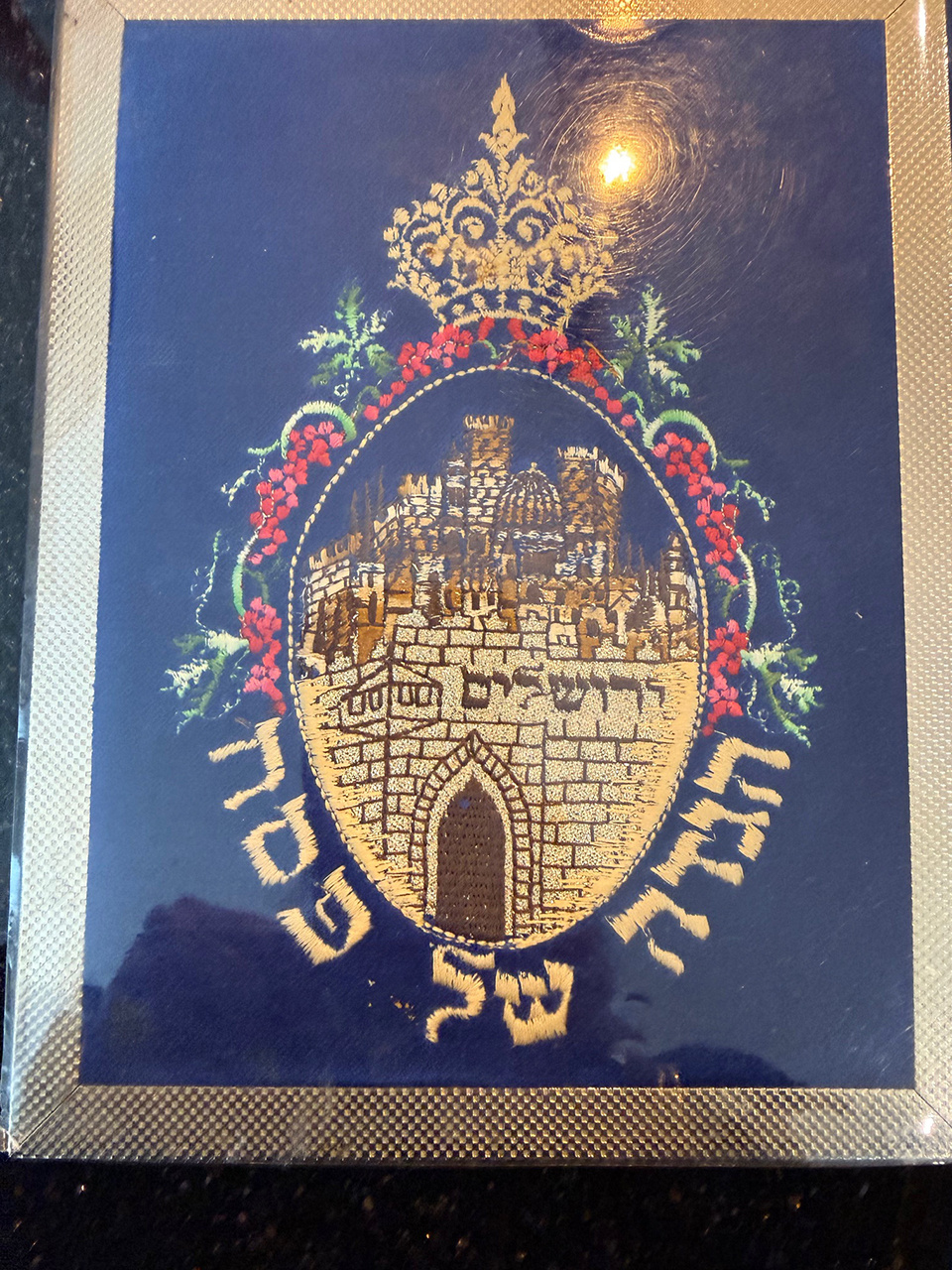
Every year we get out our Haggadahs to read from. My husband was given his Haggadah for his Bar Mitzvah at the age of 13. His parents bought it for him. I'm sure one day my grandchildren will use the same one.
Near the beginning of the evening the youngest person will stand on a chair and sing a song where they ask, ‘Why is this night different to all of the nights?’ This is one of four questions that form the Ma Nishtana. When Jewish children start school, the Ma Nishtana is one of the first songs they learn.
During the Seder meal, we lean to the left as we drink wine. When the Jewish people were enslaved, they could not lean while eating or drinking as they were in shackles, so being able to recline represents our freedom.
You know that everywhere in the world where there are Jewish people, we are all doing the same thing at the same time
When the Jews left Egypt, there wasn’t enough time to leave the bread to rise, so during Passover we only eat unleavened bread called matzah. By the time that Passover starts, we have to make sure that we get rid of any chametz [prohibited food during Passover, including food made with grains that has risen or fermented] from the house. Everything that has come into contact with chametz has to be removed from your house. I will change my plates and cutlery and take the toaster out of the kitchen.
Passover often coincides with Easter so people have time off and they might go for a Passover picnic on Good Friday or Easter Monday. We might go to the seaside or go to a park with matzah sandwiches.
You know that everywhere in the world where there are Jewish people, we are all doing the same thing at the same time. These traditions are thousands of years old; they have passed through hundreds of generations. It is a special night of the year.
Passover in pictures
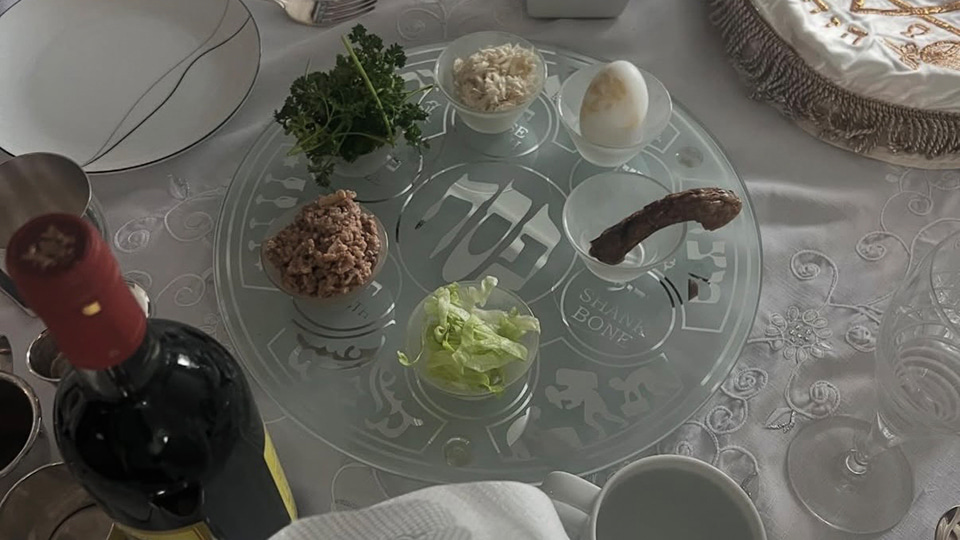
A plate of food prepared for the Seder meal during Passover. Each item of food has a symbolic meaning
My Passover
Dispensing optician, Yaron Jacobs, on taking part in customs that stretch back millennia and searching the house by candlelight for traces of bread
Passover is one of the three pilgrimage festivals in Judaism, alongside Shavuot and Sukkot. One of the names for Passover is the Festival of Matzos, because matzah is the only type of bread that we can eat throughout the eight-day festival. Starting from the first day, we are not allowed to have any regular grain products.
Any combination of wheat, barley, spelt, rye and oats that has come into contact with water and been allowed to ferment for more than 18 minutes is considered chametz. We are not permitted to eat chametz during Passover. In preparation for Passover, people are very hard at work, cleaning their houses to make sure there is no trace of chametz.
In the past, 100 or 200 years ago, no one would have food that would last for very long anyway. But nowadays, with all the food products that can sit in the cupboard for months and months, it takes longer to clear out the chametz. You either have to consume it or there are other protocols that you can follow. You can temporarily sell the chametz to a non-Jew, and then buy it back after Passover. It is a complicated legal procedure that needs to be overseen by a Rabbi. People will then cordon off and seal certain cupboards containing chametz for the duration of Passover. The prohibition on eating chametz is down to a single trace, so in my house we have a separate cooker that we only use on Passover.
The night before Passover starts, we do a physical search of the house for chametz. This is done by candlelight. We look in all the nooks and crannies. You’d be surprised – even though people have spent months cleaning their house, you always find something. We traditionally put out 10 pieces of bread wrapped in paper around the house, so you haven't searched in vain if nothing is found.
There is a deeper symbolism to matzah. There is an idea according to Jewish mystical philosophy that because leavened bread is inflated, it represents ego. Matzah, as unleavened bread, represents humility. Often, when we are too self-involved, we become blind to what the right thing to do is and just act in the way we want. If we get rid of the leaven, or ego, then we are free to make the right choices.
Because leavened bread is inflated, it represents ego. Matzah, as unleavened bread, represents humility
Passover commemorates the freedom of the Jewish people. During the Seder meal, we tell the story of the exodus from Egypt. The focus is on passing the message on to the next generation. One of the essential themes is that children should ask questions. People go to great lengths to try and get their children involved. One of the traditions is that a piece of matzah is broken in half. One half is kept on the table and the other is hidden away. The children have the job of finding it – the one who finds the matzah might receive a prize or gift. Searching for the matzah at my grandparents’ house is one of my earliest memories of Passover.
The family time together and the experience of the Seder is definitely the highlight of Passover for me. It is part of a chain of tradition that goes back millennia.
More News
-
 Painting, yoga and CPD: Optometry Wellbeing Day comes to Glasgow
 -
 How eye care is being delivered by ICBs to be highlighted at Westminster Eye Health Day
 -
 From late presentations to ocular trauma: how the Ukraine war is affecting the nation’s eye health
 -
 Public priorities for the NHS identified at Labour Party Conference
Comments (0)
You must be logged in to join the discussion. Log in