


25 September 2025
National Eye Health Week (NEHW) is upon us, putting a spotlight on issues of eye health and raising awareness of the importance of routine eye testing.
A forecast released by Eye Health UK, the charity behind NEHW, has highlighted the risks of rising eye disease over the next decade and emphasised the need for public education on vital entitlement for help with eye care costs. Read more about the forecast here.
Charities, practices, and ophthalmology providers, have also been taking part in the awareness week to illustrate important messages around eye health. OT gathered a few of the activities, initiatives, and launches from this week.
1 Turn over a new leaf for health eyes with Glaucoma UK
Glaucoma UK is encouraging the public to “turn over a new leaf” and create habits for healthy eyes this autumn.
The charity highlighted that glaucoma can often be symptomless, with 50% of people with glaucoma unaware that they have the disease.
Glaucoma UK has an interactive quiz which will enable the public to understand their individual risk of developing glaucoma, along with advice and guidance on managing eye health.
Joanne Creighton, CEO of Glaucoma UK, said: “We want everyone to take the time this autumn to look after their eye health. We know it is a busy time of year, with the return to school and end of the holiday season, but healthy habits lead to healthy eyes.”
Glaucoma UK highlighted its support for people living with glaucoma, from a dedicated helpline, to community support, and free resources.
2 Signposting accessible eye care information at SeeAbility
SeeAbility has been promoting its film 10 times more likely which highlights the eye care needs of adults and children with learning disabilities, and signposting its easy read eye care resources.
A SeeAbility spokesperson said: “National Eye Health Week is always such a great opportunity to highlight the resources and advice we have at SeeAbility for optometrists and eye health professionals.”
“Whether its signposting to easy read eye care information that can make health information more accessible and inclusive, or encouraging routine regular eye care for a group of people who often miss out, despite being 10 times more likely to have a sight problem,” the spokesperson added.
Visit SeeAbility’s website for more information and resources.
3 A sweet fundraiser with Vision Care for Homeless People
Vision Care for Homeless People (VCHP) has been encouraging supporters to participate in a healthy eye baking challenge to raise funds and increase awareness of the eye care issues faced by people affected by homelessness.
Alison Gordon, community and corporate fundraiser, shared: “Patients visiting our clinics have a much higher level of eye health problems than the general population – some 14% of the people we help have long-standing eye health problems compared to 1.4% of the general population. Our patients tend to face more health struggles due to their circumstances.”
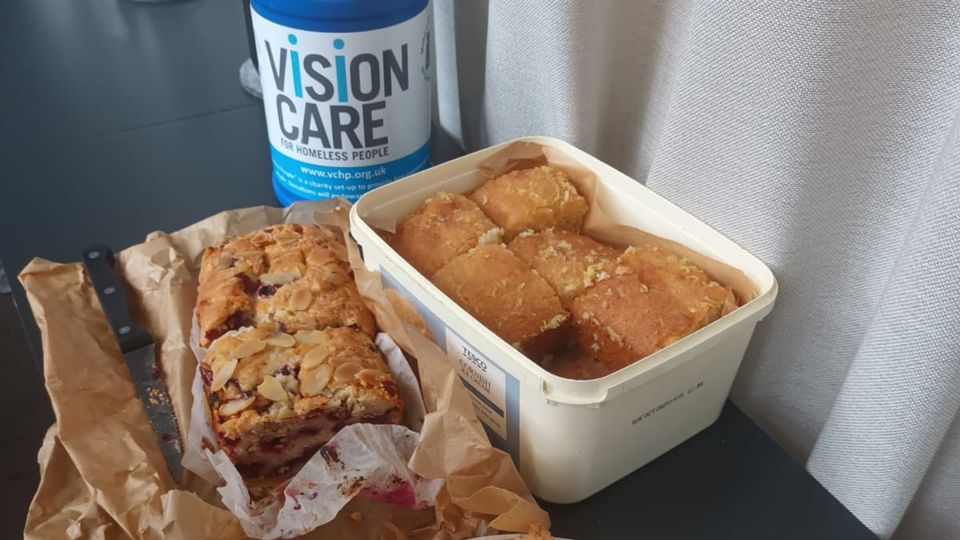
“Being able to access free sight tests provides an opportunity to spot and treat eye health conditions that could potentially lead to loss of sight as well as providing glasses to help people see more clearly,” Gordon continued, adding that the sight tests can also help to identify other health conditions.
Encouraging the optical community to get involved in the baking challenge, Gordon said: “This can be a great way to start talking about eye health issues plus raise some funds to help us provide our service.”
4 Fight for Sight addresses common myths
Fight for Sight is running a social media campaign for NEHW focused on debunking the top five myths around eye health.
Every day of the week, the charity has been posting a myth and fact mentioned in its free Mythbuster Guide download.
Myths exposed include: ‘Vaping doesn’t damage your eyes,’ ‘I don’t need an eye test,’ ‘Too much screen time can make you blind,’ and ‘People with vision loss can’t work.’
Find the resource on the Fight for Sight website.
5 Eye Health UK raises awareness in nurseries
Eye Health UK and The College of Optometrists partnered on an initiative to send a children’s book focusing on eye tests to children’s nurseries across England.
Copies of Topsy and Tim Have Their Eyes Tested will be sent to state-funded early-years providers in some of the most deprived areas of the country.
David Cartwright, chair of Eye Health UK, said: “With one in five children in the UK thought to be living with an undiagnosed vision problem that could hamper their learning and development, it’s important that we educate youngsters, their parents and carers, about how to look after young eyes to ensure any issues are detected and treated early.”
He added that the book could support providers to teach children about their eyes, as part of the Early Years Foundation Stage statutory framework for promoting physical health and healthy habits.
6 Specsavers launches glaucoma awareness initiative
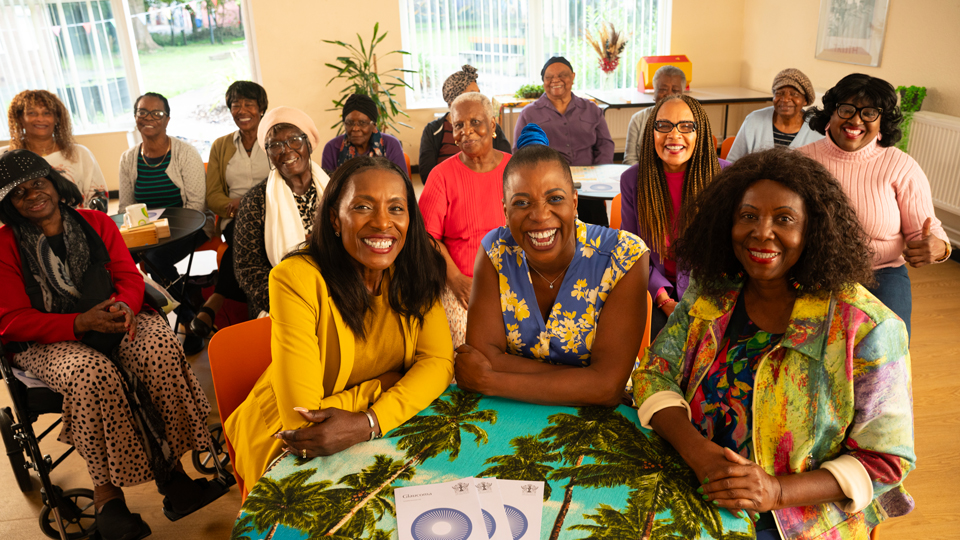
Specsavers has launched a new initiative seeking to raise awareness of the importance of eye tests amongst people from African-Caribbean communities.
Informed by advice and guidance from Glaucoma UK, the initiative highlighted that people from African-Caribbean communities can have an up to four-times increased risk of developing glaucoma.
Reflecting on these figures, Robin Asprey, development manager at Glaucoma UK, said: “That is why we need to raise awareness of glaucoma amongst higher risk communities and ensure people can access the eye care they need, in an equitable and timely manner.”
With research commissioned by Specsavers identifying that four in five adults from African-Caribbean communities in Britain agree that advice from older, esteemed women in their community would influence decisions about their health, the project encourages self-identifying ‘aunties’ to encourage their family and friends to look after their eye health through regular sight tests. OT will publish more on the initiative in the coming days.
7 Local awareness campaigns with Hakim Group practices
Hakim Group has highlighted the importance of engaging local communities in importance messages around eye health.
Claire Slade, head of professional services at Hakim Group, told OT: “Awareness weeks like National Eye Health Week provide an invaluable platform to highlight the importance of good vision and the role optometry plays in protecting it.”
“At Hakim Group, we’ve supported our independent practices with local PR campaigns to amplify the themes of this year’s awareness week and engage their communities in conversations about eye health.”
“By combining national messaging with local action, we can raise the profile of our profession, encourage people to prioritise regular eye examinations, and ultimately make a real difference to the nation’s eye health,” Slade added.
8 Boots Opticians marks one year with optomap
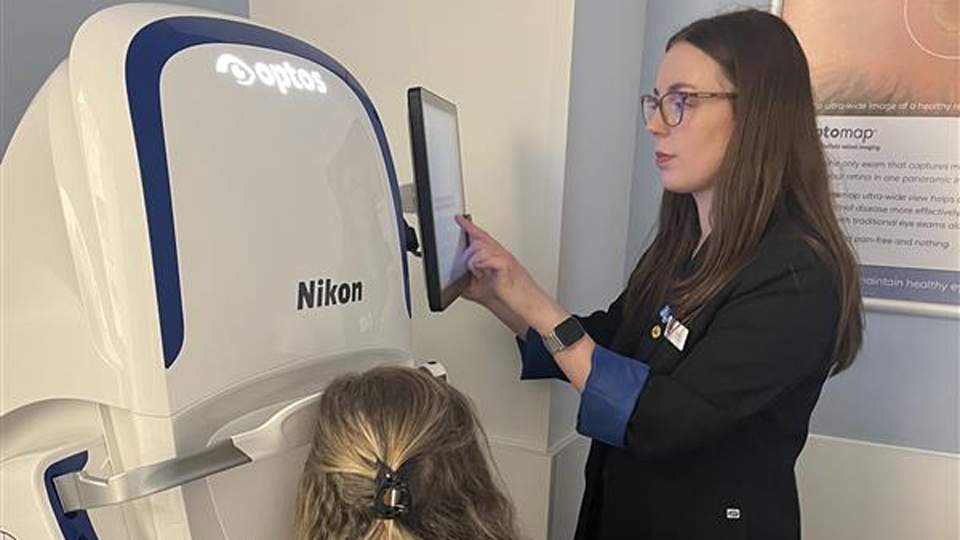
Boots Opticians celebrated one year with optomap technology in its practices.
More than 200 Boots Opticians sites now have the Optos device following the first installations in October last year.
In the past year, more than 100,000 patients have received an optomap scan, with 63% aged over 50 and 33% between the ages of 30–49.
More than 6000 children under the age of 19 have received an optomap scan in the past year.
Shanaz Begum, an optometrist at Boots Opticians Merryhill, commented on the use of the technology in practice: “The optomap scan showed a harmless freckle in the left eye on one of our patients, but it also picked up a small tear in the retina too. This tear was so far out that it was nearly impossible to see with a standard eye exam.”
Begum emphasised that the scan enabled early detection of the tear, preventing a potential retinal detachment.
9 OutsideClinic highlights lack of awareness of domiciliary services
OutsideClinic has focused on education this NEHW, promoting an information pack which provides tips and advice on eye health for the public, and releasing new research on the issue of untreated sensory decline in over 55s.
Matt Burford, professional services manager and optometrist at OutsideClinic, told OT: “National Eye Health Week is a vital opportunity to remind people that looking after your eyes is just as important as looking after your general health.”
A survey of 300 adults in Britain aged over 55 found that 37% report difficulties even with corrective lenses, with 40% sharing that this affects independence in areas such as driving, reading, and their hobbies.
The survey found that 41% of respondents were unaware that free at-home tests for vision and hearing are available for those over the age of 60.
Burford said of the survey: “Our recent research shows that too many people still delay seeking help until their vision has deteriorated significantly, yet early detection can make all the difference, protecting sight, independence, and quality of life.”
“At OutsideClinic, we want to highlight that NHS-funded at-home eye tests are available for those eligible, making it easier than ever to access essential care in the comfort of their own homes,” he added.
OT will publish more on the survey in the coming days.
10 SpaMedica interrogates pre-cataract surgery assessment data
Analysis of cataract patient data by SpaMedica has indicated a “substantial” proportion of people are waiting longer for treatment or struggling to access it.
SpaMedica carried out analysis on anonymous sight test data of more than 200,000 patients at its hospitals nationwide over the past 18 months who had been diagnosed with cataracts. The research analysed patients, by area, who had visual acuity below 6/12 in both eyes at their pre-cataract surgery assessment.
SpaMedica’s analysis found that, by the time residents in Manchester seek treatment for the condition, 22% have vision that falls short of the legal standard to drive.
This is compared to a national average of 14.5%, SpaMedica highlighted.
In Middlesbrough, at least one in five people failed to meet the minimum benchmark for driving.
Of the 10 areas where patients’ vision was severely impaired, seven are in the North West.
Dr Alex Silvester, chief medical officer at SpaMedica, said: “This research, interrogating sight test results of cataract patients at our 60-plus hospitals nationwide, raises concerns that a substantial proportion of Brits don’t seek treatment for cataracts until their vision has deteriorated significantly, to below the legal requirements for safe driving.”
“Drilling down regionally, we found that people living in the North West – specifically Manchester, Liverpool, Oldham and Rochdale – appear to be either waiting longer to get the treatment they need, or having difficulty accessing it,” he said.
A poll by SpaMedica also found that almost half of patients complain that cataracts cause them to struggle behind the wheel.
The research comes ahead of the planned release of the Government’s new road safety strategy this Autumn, which could bring in eye test requirements for drivers over the age of 70.
SpaMedica’s research found that people living in local authority areas defined as ‘most deprived’ had the poorest vision.
Silvester said: “It suggests more needs to be done to encourage the public in these places to prioritise their eye health, and highlights the critical need for timely intervention to prevent potential risks to road safety.”
He added that 98% of SpaMedica patients regain vision to a standard that means they can drive following treatments.
11 Newmedica highlights healthy vision through must-see bucket lists
Seeing the Northern Lights, travelling on the Orient Express, and visiting all seven continents are top bucket list items for people over the age of 50 in England, a poll by Newmedica has found.

The ophthalmology provider polled 2000 adults aged over 50 in England on their bucket list items, finding that 24% now feel more adventurous than they did in their 30s and 40s.
However, one in 10 of those surveyed worried that not being able to see clearly enough is stopping them from ticking items off their bucket list. Of those polled, 53% have regular eye examinations.
The survey, carried out by OnePoll, found that 54% worry their physical health might stop them from achieving their dreams.
Of those surveyed, 30% had already undergone cataract surgery or laser treatment in order to look after their vision.
Reena Dave, a consultant ophthalmologist at Newmedica, said: “More than ever, older generations are healthier, better connected, and eager to make up for lost time by chasing experiences that once felt out of reach.”
“Of course, as we age, challenges like health, mobility – and especially eyesight – can get in the way of ticking off those dream moments,” Dave said, emphasising the importance of regular eye examinations with an optometrist to detect any potential problems early.
Dave said: “Our advice is to act upon any sight conditions promptly to continue living life to the full.”
Top six bucket list items
Newmedica polled 2000 UK adults aged over 50 about the dream places and events they hope to see. Newmedica found the top items were:
1
Seeing the Northern Lights
2
Travelling on the Orient Express
3
Taking a cruise
4
Seeing the cherry blossom in Japan
5
Reconnecting with old friends or family
6
Going on safari in Africa


Comments (0)
You must be logged in to join the discussion. Log in