


24 October 2026
Becoming a qualified optometrist is a milestone moment.
While the change in daily role may not be significant, there is a sense of pressure and freedom that comes with sole responsibility for the clinical management of each patient.
To gain insight on this influential time, OT spoke with optometrists about the key challenges they faced in their first year of qualification – and how they navigated these hurdles to thrive as early career professionals.
Gaining confidence in managing acute eye conditions
Optometrist, Oran O’Connor, told OT that one of the biggest challenges in his first year following qualification was seeing more patients with acute issues – including red eyes, flashes and floaters and sudden visual changes.
He shared that he had not seen many patients with acute problems during his pre-registration year.
“The times that I did, I had my supervisor there to help guide me,” O’Connor reflected.
The early career optometrist highlighted that he gained confidence with experience.
“I also wasn’t afraid to get a second opinion from colleagues in situations where I was a bit unsure and I feel this also helped me become more comfortable in my management decisions,” O’Connor said.
He added that he now regularly sees patients with acute issues through the Northern Ireland Primary Eyecare Assessment and Referral Service.
“I am constantly gaining experience in seeing a variety of different conditions as well as keeping up to date with local referral pathways,” O’Connor shared.
Further learning post-qualification
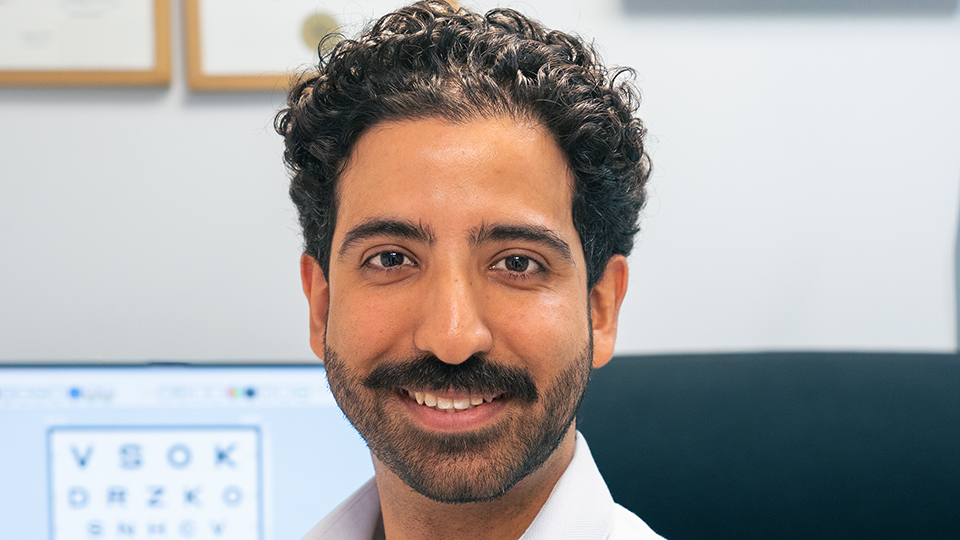
Optometrist and director of Monnow Eyecare, Adib Missaghi, told OT that as a newly qualified optometrist he felt excited by the freedom to make his own clinical decisions.
“However, the responsibility for every patient and decision was initially daunting, and I often found myself second-guessing my judgement,” he shared.
“I soon realised that qualifying was only the beginning of my learning journey,” Missaghi highlighted.
I asked a colleague to be my ‘second brain.’ We spent 30 minutes at the end of each day discussing complex cases and reflecting on our decisions
Missaghi undertook an independent prescribing qualification to develop his knowledge, skills and confidence.
“In the meantime, I asked a colleague to be my ‘second brain.’ We spent 30 minutes at the end of each day discussing complex cases and reflecting on our decisions,” he said.
The IP optometrist also began tutoring at Cardiff University – which helped to consolidate his learning.
“My advice to newly qualified professionals is to embrace opportunities beyond your comfort zone, whether through further study, teaching or gaining experience across primary and secondary care. These experiences can broaden your perspective and accelerate professional growth,” Missaghi observed.
Navigating commercial considerations
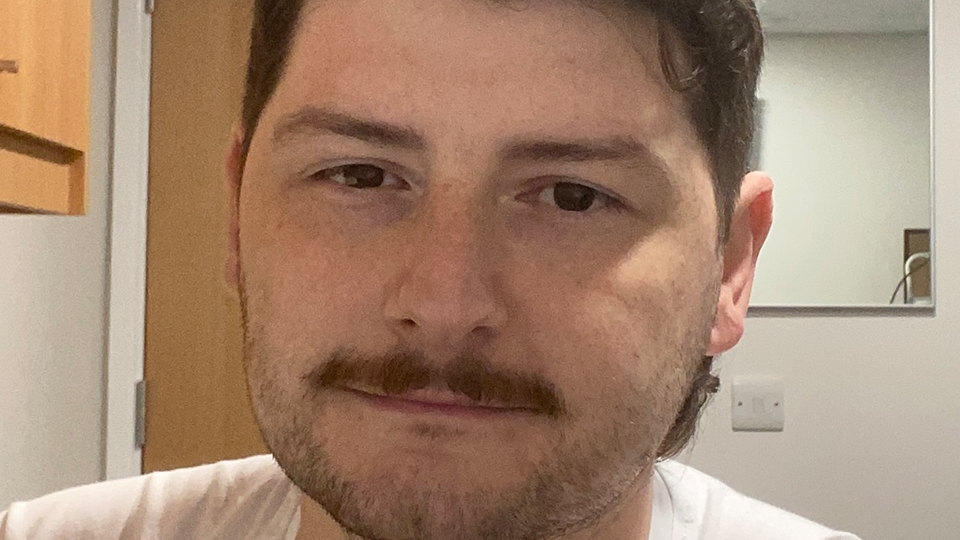
Locum optometrist, Charlie Vincent, highlighted that a key challenge during his first year of qualification was adjusting to the idea that his workplace is both a healthcare practice and a business.
He was initially reluctant to recommend products within a higher price bracket – even though these products may be the most suitable option for a particular patient.
“I didn't want patients to think I was overselling, or to view me as a salesman rather than a practitioner,” Vincent said.
Over time, Vincent came to realise that making patients aware of all available options would not compromise his integrity as a healthcare practitioner.
“After much deliberation, I concluded that the important thing was recommending the best products to the patients – not because it makes the most money, but because it benefits them the most,” he said.
Adjusting to being the sole clinician on site
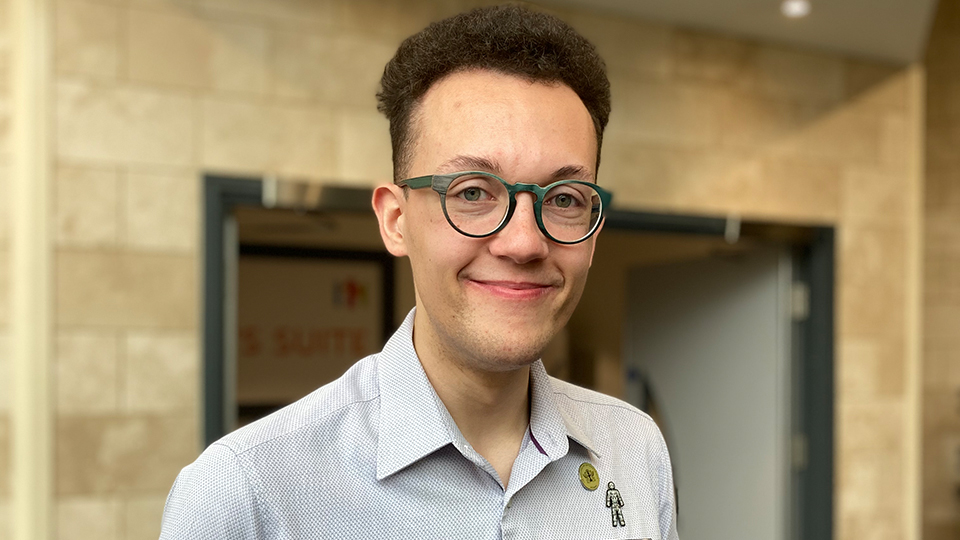
A & A Stevens Opticians optometrist, Nkosi Yearwood, shared with OT that his biggest challenge in his first year after qualifying was getting used to being the only clinician on site.
“In our small independent practice, I carry out all the clinical testing myself, without optical assistants, pre-screening or autorefractors,” he said.
“Patients value that continuity and it keeps a wide range of skills sharp, but I still remember how nervous I felt on my first day testing solo,” Yearwood highlighted.
The optometrist observed that over time he has learned to trust his training. He can also ask for guidance from his former supervisors – now his colleagues – when needed.
“Working independently doesn’t mean you have to manage every conundrum alone,” Yearwood said.
“My advice to other early-career optometrists is to build a supportive, non-judgemental peer network. Asking for another perspective helps everyone learn and improve confidence across a range of scenarios. You may be the only clinician on site, but you don’t have to feel alone,” he emphasised.
Stepping outside my comfort zone early in my career helped me discover what suited me best
Deciding on a career direction
Locum optometrist, Raf Islam, told OT that a key conundrum during his first year qualified was “figuring out what came next.”
“I struggled to decide which direction I wanted to take my career in – particularly whether to focus on clinical practice or academia,” he said.
“To navigate this uncertainty, I took on a clinical tutor role at a university, provided locum services across independent practices, multiples and domiciliary companies, and continued studying towards higher qualifications,” Islam shared.
The optometrist shared that this experience made him realise that you never truly know what you want until you try it.
“Looking back, stepping outside my comfort zone early in my career helped me discover what suited me best, ultimately allowing me to make more informed career decisions that support both my professional ambitions and personal well-being,” Islam said.


Comments (0)
You must be logged in to join the discussion. Log in