


01 October 2026
The way a locum optometrist approaches their job is not only shaped by their formal education and training, but by the many interactions they have each day with patients and colleagues.
From a receptionist with a gift for creating a welcoming environment to a resident optometrist with the ability to ask the perfect follow-up question, there are lessons to be learned from every member of each practice team.
Whether insight is gained through a pre-registration supervisor or a more experienced locum optometrist, sharing knowledge with others helps to create a more supportive workplace – and ultimately improves patient care.
In this feature, OT speaks with locum optometrist about how their practice has been shaped by the lessons they have learned from others – and the benefits of sharing their own experience with colleagues.
Influential mentors
Locum optometrist, James Brawn, shared with OT that a key mentor in his career was his pre-registration supervisor, Sharon Beatty.
“What I valued about her approach is that she devoted a lot of time to discussing clinical cases, and to assessing areas in which I still needed to develop my skills and confidence,” he recalled.
Brawn shared that Beatty’s focus seemed to be on supporting him to become a highly competent optometrist – rather than a narrow focus on ‘getting him through’ pre-reg.
“I never felt judged, and the feedback was always constructive,” he said.
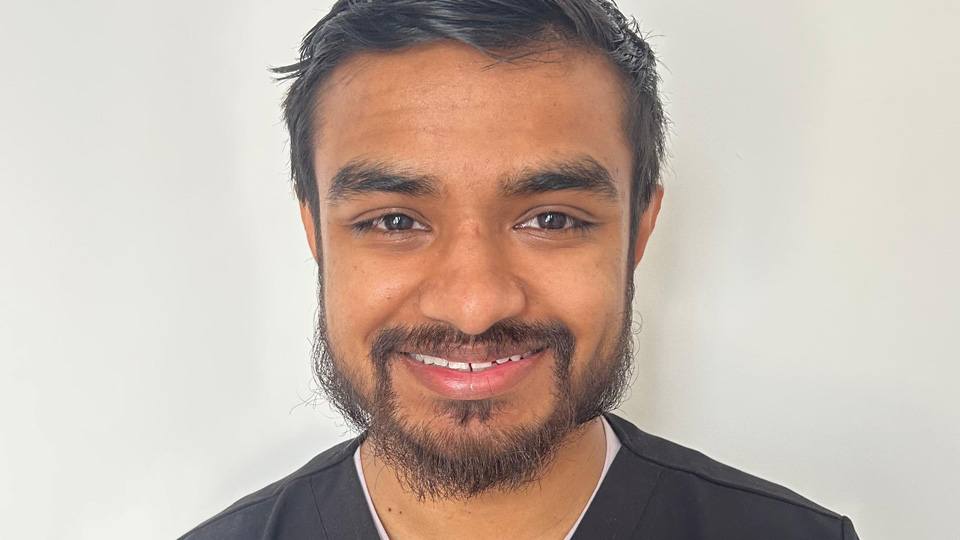
Locum optometrist, Raf Islam, recalled the influence of a more experienced colleague, Grace Frank.
“She had a significant impact on the optometrist I am today. One of the most important lessons she taught me was to always demonstrate genuine care and empathy towards every patient,” he said.
Islam recalled that Frank taught him that patients may not remember every clinical detail, but they will remember how you made them feel.
“That philosophy has stayed with me throughout my career and continues to shape the way I practise and communicate with my patients,” he said.
Locum optometrist, Jas Bahra, told OT that while she has not had a formal mentor during her career, the broad range of roles she has worked in has exposed her to people with diverse skillsets.
“I've worked in independent practice, multiples, domiciliary care, online optometry and as a locum. Each environment has introduced me to people with completely different strengths,” she said.
“If I had to identify the common thread, the people who have influenced me most are those who remain curious, regardless of how experienced they are,” she said.
I think it is so important to discuss things with fellow professionals to gain knowledge, validate your own actions and help your mental health in what can be an isolating occupation
Bahra added that she has also learned valuable lessons from people who are willing to share honest feedback.
“The best people haven't simply told me I was doing well. They have made me think, question myself and occasionally feel slightly uncomfortable – in a constructive way,” she observed.
For locum optometrist, Frank Eperjesi, optometrist colleagues at his first job served as valuable mentors.
“They often sat in on my examinations and gave good advice on body language, tone of voice, listening, clinical practice and management,” Eperjesi said.
He added that they highlighted areas of his practice where he could improve without being unduly negative.
“Looking back, I was lucky to have that environment in my first job. That experience shaped my professional practice because I came to realise that I didn’t know it all – that even my mentors didn’t know it all. They were all open to learning,” Eperjesi said.
Memorable lessons
Reflecting on memorable lessons he has learned from colleagues, Islam recounted the advice of an experienced colleague who emphasised the importance of record keeping.
“They reminded me that accurate clinical notes are your best defence if your clinical decisions are ever questioned, and that you should never rush documentation. That advice has stayed with me throughout my career,” he said.
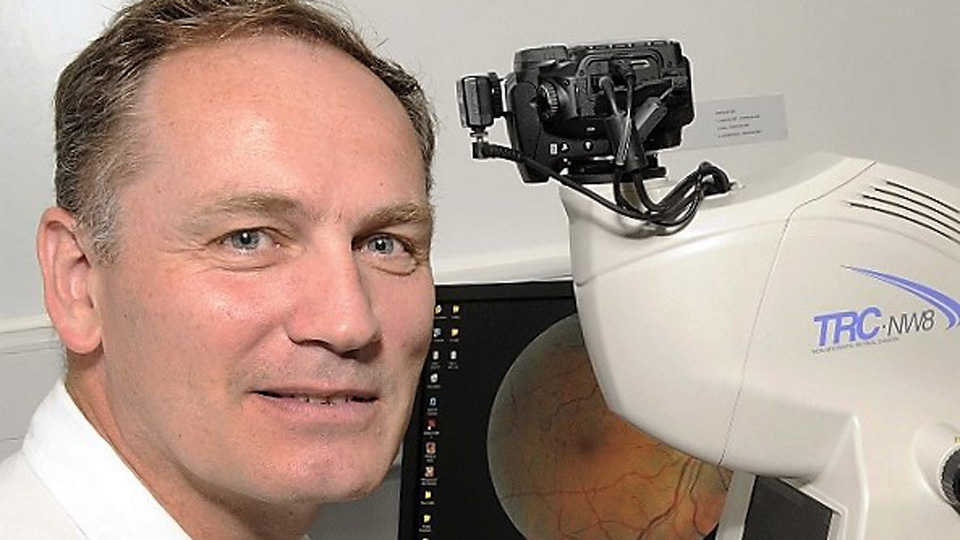
For Eperjesi, guidance on providing a tailored eye examination helped him to refine his practice.
“After qualifying I used to carry out my eye exams like I’d done at university – I would perform every test I had been taught on every patient I saw. A more experienced colleague advised me to tailor my exam to match the age, understanding and needs of the patient,” he shared.
Bahra shared with OT that observing the approach of other optometrists has taught her when to pause, look again and ask another question.
“What has always stayed with me is the calmness that often comes with real experience,” she highlighted.
“I’ve watched colleagues take a case that initially appeared quite straightforward and simply dig a little deeper – perhaps asking one more question or looking at something from a slightly different angle,” Bahra said.

The value of shared learning
Bahra highlighted that she has gained insight from practitioners working in many different roles during her career.
“Every person in practice sees a different part of the patient journey. I have learned valuable lessons from optometrists, dispensing opticians, reception teams, practice managers and directors,” she said.
Bahra added that sometimes a receptionist will mention something that completely changes the context of the examination, or a dispensing optician may observe a pattern that she has not considered.
“When teams genuinely share information and respect each other's experience, the practice becomes stronger. People feel safer asking questions, problems are identified earlier and ultimately patients receive better care,” she noted.
Islam shared that as well as being open to learning from colleagues, he is passionate about sharing his knowledge with others.
“I make time during my clinics to support less experienced colleagues, answer questions, and discuss challenging cases where appropriate. I also reassure them that they can always approach me if they need advice or a second opinion, as I believe creating a supportive environment encourages learning and confidence,” he said.
Locum optometrist, Veronica Nellins, highlighted that optometrists often work by themselves – particularly in independent practices.
“I think it is so important to discuss things with fellow professionals to gain knowledge, validate your own actions and help your mental health in what can be an isolating occupation,” she said.
As a practitioner who offers enhanced screening for glaucoma, Nellins has supported other optometrists who come to her for advice on cases they are unsure about. She has also provided colleagues with technology recommendations.
“As a locum optometrist it opens up more opportunities to use different equipment and computer software,” she said.
“Over the years I have been able to give my opinion on different equipment that I have used when practices have been upgrading,” Nellins noted.




Comments (0)
You must be logged in to join the discussion. Log in