


01 October 2026
The ability to quickly adapt to new equipment, processes and team dynamics helps locum optometrists to thrive in their daily roles.
This skill not only increases the chances that a locum optometrist will be rebooked at the same practice, but it serves to ensure that patients who come through the practice receive a consistent level of care.
In this feature, OT talks with locum optometrists about the steps they take to support a seamless patient journey – from clear communication with other team members to effective record keeping.
Towards a cohesive patient journey
Asked for her thoughts on what a seamless patient journey looks like in practice, locum optometrist, Priya Teli, observed that every stage of the patient’s visit should feel coordinated, efficient, and centred around their needs.
“From booking the appointment through to the clinical examination, dispensing, and any necessary referrals or follow up, communication should be clear and consistent,” she said.
“This gives patients confidence in the care they receive, improves their overall experience, and encourages trust and loyalty,” Teli highlighted.
She added that there are also advantages of streamlined patient journeys for practices – with this approach supporting efficiency, reducing errors and strengthening teamwork.
Locum optometrist, James Brawn, shared that in his view a seamless patient journey is one in which the patient is required to interact with the fewest number of team members and experiences minimal delays.
“In my experience, patients detest feeling like they are on a production line being passed from person to person. They also don't like waiting,” he said.
“It is important to view the patient journey through the eyes of the patient, not the optometrist,” Brawn reflected.
Locum optometrist, Kam Sandhu, noted that providing an uninterrupted patient journey builds trust and reassurance.
“A seamless patient journey starts from the moment a patient walks through the door – they should feel welcomed and valued. Every interaction from reception through to eye examination and dispensing should feel connected rather than disjointed,” she said.

Top tips from locum optometrists
Teli shared with OT that as a locum optometrist she prioritises understanding the processes and protocols within the practice she is working.
“I communicate clearly with patients – ensuring that they understand my findings and recommendations,” she said.
“I also adapt quickly to different systems while maintaining consistent clinical standards, so that patients experience continuity of care regardless of who they see,” Teli explained.
Brawn told OT that where possible, in smaller practices, he likes to perform his own pre-screening and visual field tests.
“It means that the journey isn't broken up, and the rapport is maintained,” he said.
Sandhu highlighted the value of understanding how the practice works from the beginning of the day.
“As a locum, I know I am stepping into an established team. I introduce myself, ask about any specific protocols and make sure we are on the same page,” she shared.
During the examination, Sandhu aims to communicate clearly with both the patient and other members of staff to facilitate a seamless handover.
“Even though I am only there for the day, I want the patient to feel they’ve received the same standard of care they would from any member of the practice,” she said.

Locum optometrist, Hammad Mansoor, aims to make the patient feel informed, valued and well looked after at every stage of their practice visit.
“I always try to integrate into the practice’s way of working so that patients experience continuity and consistency throughout their visit,” he said
“I also ensure patients have the time and opportunity to ask questions and leave with a clear understanding of any findings or next steps,” Mansoor shared.
Mansoor added that locum optometrists are able to bring an outside perspective to practices.
“One advantage of working with many different practices is that I can often bring ideas, insight and examples of best practice from different settings, which can sometimes help further enhance the patient journey and practice processes,” he reflected.
Every interaction, from reception through to eye examination and dispensing, should feel connected rather than disjointed
Clear communication with the practice team
Teli highlighted the key role that communication plays in delivering a seamless patient journey.
“I believe open, respectful, and proactive communication is essential. I introduce myself to the team, clarify any expectations, and make sure I understand any practice specific procedures,” she said.
She added that she welcomes feedback or requests for clarification from practice team members.
“Throughout the day, I communicate clearly with reception staff, dispensing colleagues, and fellow clinicians so everyone has the information they need to support the patient's journey,” Teli said.
Brawn shared with OT that he will come out of his consulting room during quiet moments in practice to catch up with support staff.
“It isn’t a complex process at all, but being an approachable human I find goes a long way to building a working relationship with staff, especially in a new practice,” he said.
Mansoor noted that he aims to understand the practice’s expectations and ways of working from the outset, while also maintaining open communication throughout the day.
“Having worked across many different practices and most of the major multiples, I have learned the importance of being adaptable, approachable and working collaboratively with the wider team to ensure the best possible experience for patients,” he said.
I have learned the importance of being adaptable, approachable and working collaboratively with the wider team
The importance of record keeping
Teli shared that effective record keeping is particularly important for locum optometrists because it supports continuity of care when another clinician sees the patient in the future.
“I aim to complete accurate, clear, and contemporaneous clinical records immediately after each consultation. My records include relevant history, examination findings, clinical reasoning, management plans, advice given, and any referrals or follow up arrangements,” she said.
“I ensure documentation is thorough enough for another clinician to understand the patient's care without ambiguity,” Teli added.
Brawn highlighted that locum optometrists should take “extra care” to ensure that records are accurate, legible and – if necessary – actionable.
“To state the obvious – unlike a resident, you probably will not be in the practice the next day for someone to ask ‘what does this mean?’,” he said.
Brawn endeavours to make sure that the next person who reads the record will have all the necessary information.
“As a locum, I take extra care to ensure that I explicitly state any advice which has been given to the patient, the recommendations I have made for spectacles, and note any new diagnoses or referrals,” he said.
“As it may be my only day in the practice, I want to make it really easy for any team member reading my record to know exactly what I have done with the patient,” Brawn shared.
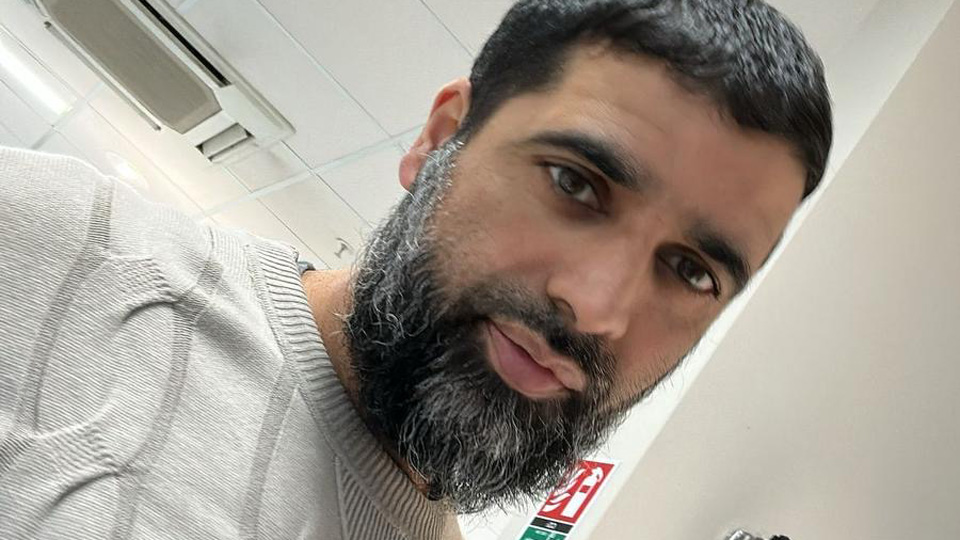
Sandhu observed that as well as ensuring continuity of care, clear records help to protect both the patient and the clinician.
“Clear documentation ensures patients receive consistent care, supports clinical decision making and provides an accurate record of why management decisions were made,” she said.
Mansoor noted that computerised records have made it easier than it was in the past to provide clear, accurate and sufficiently detailed patient records.
“I make sure I document all relevant findings and ensure that patients are informed of everything I have seen,” he said.
AOP insight on record keeping
AOP head of clinical and regulatory, Henry Leonard, told OT that allegations of poor record keeping are a common feature in fitness to practise cases seen by the General Optical Council.
“If a particular test hasn’t been recorded, there is likely to be an assumption that it wasn’t carried out,” Leonard shared.
He added that at the end of an eye examination, it is good practice to take a moment to review the patient’s clinical notes to make sure that they contain a clear narrative of the care provided.
Leonard shared that in fitness to practise cases, practitioners are often criticised for not properly addressing a patient’s presenting symptoms.
“It’s important to check that the advice recorded fully addresses the symptoms you recorded at the beginning of the examination,” he said.
Leonard noted that many practices now perform record keeping audits to ensure that practitioners are including necessary information consistently.
“This can be helpful in identifying areas of record-keeping which you may have overlooked in the past. Asking a colleague for comments on your record-keeping can also highlight issues which you may not have even considered, such as the use of abbreviations or legibility,” he said.

Effective record keeping: getting it right
In this non-interactive CPD video, Farah Topia, AOP clinical and regulatory advisor, discusses the importance of record keeping




Comments (0)
You must be logged in to join the discussion. Log in