


01 October 2026
From a distinctive freckle on the choroid to the exact colour of the iris, every eye is unique.
In a similar way, each patient who comes through the consulting room door will have individual preferences when it comes to communication.
A child may prefer a simple, playful communication style while a time-stretched office worker may favour a concise summary of what was found during the examination and next steps.
While the physical differences that characterise each eye are evident, working out how to effectively communicate with each patient is frequently a matter of intuition – developed through experience and many patient encounters.
In this feature, OT approaches locum optometrists for their tips on effective patient communication – and learns more about how tailored communication can enhance patient care.
Non-verbal cues and building trust
Locum optometrist, Charlie Vincent, emphasised the importance of communication when working as a locum optometrist.
“Communication is what I pride myself most on as an optometrist. Prior to this role I had worked plenty of jobs in retail and hospitality and to be able to bring those transferable skills across to this role has had such a positive impact in my test room,” he shared.
Vincent takes care with the non-verbal cues he is conveying to the patient – such as smiling when the patient walks in the room and facing the patient when discussing history and symptoms.
He observed that while an optometrist is familiar with the consulting room as a daily workspace, a patient will only be in this environment once every two years.
“Anxiety and apprehension are such substantial drivers in patients not returning for eye tests, so it becomes so important to make the patient feel comfortable from the moment they arrive in your room,” Vincent said.

For locum optometrists, Vincent shared that it can be helpful to show the patient that you have reviewed their previous history.
“They can then see I’m clued up on their current information and I’m not starting with a blank slate,” he said.
“For example, instead of asking ‘Have you been to the hospital before for anything eye related?’ you could try: ‘I see you had your cataracts done back in 2023. How has that been for your vision?’,” Vincent said.
The locum optometrist makes an effort to ask patients about themselves during the eye examination to build a sense of rapport and trust.
He noted that this can increase their willingness to follow a recommendation.
“The more comfortable they become with you, the more likely they will be happy to see a locum in the future,” Vincent said.
When conducting the eye examination, Vincent makes an effort to narrate the examination by explaining what each test is and why he is doing it.
When explaining the outcome of an examination, Vincent pays particular attention to the primary concern that the patient presented with.
“When we explain the results to the patient, most won’t retain all the information we present to them. It is then our responsibility to deliver information in a simple and concise format, with the chief complaint as the headline, as that is what they will remember for the next year to two years,” he said.
Vincent added that this approach is particularly important when it comes to communicating with patients who require a referral.
“You may not see this patient or practice again, so you must convey to the patient the importance of attending any referrals made, and to make sure they know to return if they haven’t heard from the hospital within the usual timeframe,” he said.
Sometimes the most advanced equipment we have is still our ability to communicate with the person sitting in front of us
The patient perspective and personalised care
After more than two decades working as a locum, Raina Malik has observed a change in the perception of locums among the patients she sees.
“I genuinely feel the stigma that was once associated with locums has changed. When I first started, locums did not always have the strongest reputation, but I feel the profession has evolved and perceptions have shifted,” she said.
“Most patients do not ask whether I am a locum — they simply want someone who is competent, caring and willing to listen,” Malik shared.
The locum optometrist shared that her approach to communicating with patients begins with kindness.
“I listen carefully, ask questions and try to understand what has brought that patient in that day,” Malik said.
“I address their concerns directly and always revisit them at the end of the appointment to make sure they feel reassured,” she observed.
Malik highlighted that ultimately patients want someone who acknowledges their concerns, explains things clearly and helps them to find a solution – regardless of whether that person is a locum or resident optometrist.
“As locums, we may only see a patient once, so building trust quickly is essential. If we act like we are only there for the day, it impacts the patient, the team and the practice,” she said.
“But when we work with confidence, care and become part of the team, patients simply see us as their optometrist,” Malik reflected.
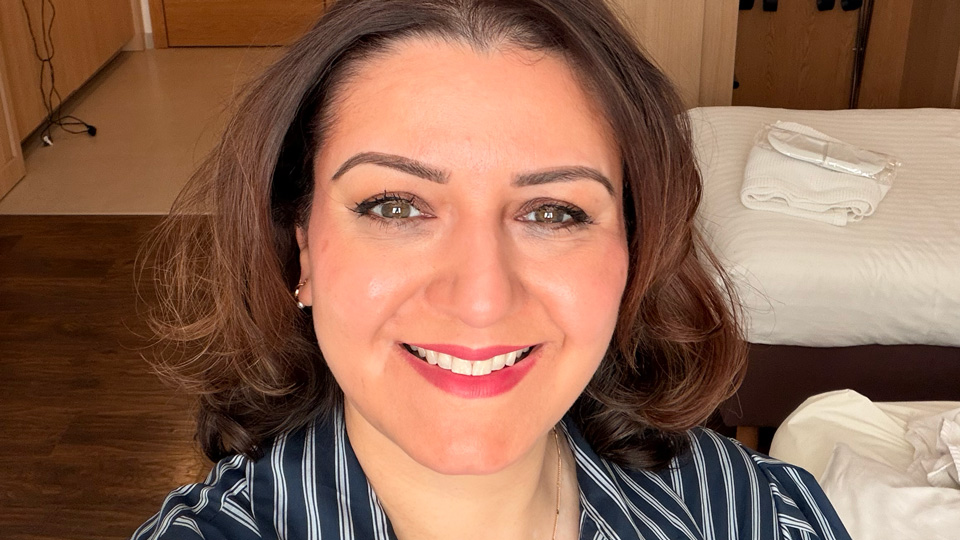
Like Vincent, Malik emphasised the importance of paying attention to body language in practice.
“Often what someone does not say tells you just as much as what they do say,” she said.
“I constantly adjust my communication style depending on the person sitting in front of me,” Malik shared.
If a person seems rushed, Malik will keep her communication style clear and focused – making an effort to respect their time.
“If an elderly patient needs a little more time, I naturally slow down. I explain more, give them space to answer and encourage questions. I personally love hearing their stories and building that connection,” Malik said.
When Malik sees children she will change her tone, facial expressions and body language to help young patients feel relaxed.
“I smile more, laugh more and almost become a child myself. Once they trust you, the examination becomes so much easier,” she highlighted.
Malik will also adapt her communication style with patients who are anxious. She will often begin with general conversation to put the patient at ease.
“Once they feel comfortable, they are usually able to explain their symptoms and concerns much better,” she said.
The locum optometrist observed that communication has a direct relationship with patient care.
“When patients feel comfortable, they open up more. They share better information, which allows us to take a better history, make better clinical decisions and ultimately provide better care,” Malik said.
She added that building trust with a patient also enhances compliance, with a patient who feels listened to and respected more likely to follow the advice of their optometrist.
Malik makes an effort to smile, make eye contact and listen without interrupting. She will ask follow up questions to go beneath the surface of the initial concern that the patient presents with.
“I think patients can tell very quickly whether you are simply going through a routine or whether you are truly present with them,” she said.
Malik emphasised that communication is a fundamental skill for any healthcare profession.
“Sometimes the most advanced equipment we have is still our ability to communicate with the person sitting in front of us,” she said.
Meeting a patient on their level is the foundation of genuine trust
Anxious patients
Locum optometrist, Kam Sandhu, told OT that she focuses on building a rapport with the patient from the beginning of the appointment.
“I aim to create a relaxed environment where patients feel comfortable asking questions and discussing any concerns they may have,” she said.
“By avoiding any complicated terminology, I keep my explanations straightforward and involve the patient in decisions about their care,” Sandhu added.
She highlighted that some people have a preference for a detailed explanation of the findings, while others prefer a simple summary and clear recommendations.
Sandhu highlighted that a key aspect of communication is recognising what each patient needs to feel comfortable and informed.
“Every patient is different, so I tailor my communication to their needs,” she said.
“With anxious patients, I take more time to reassure them and explain each step of the examination. With children, I make the experience more engaging and use age-appropriate language,” Sandhu shared.
While she may only see a patient once, Sandhu’s goal is for each patient to feel heard, respected and confident in the personalised care they have received. She highlighted that building trust starts before the clinical examination.
“I make a conscious effort to get to know patients on a personal level by asking about their work, hobbies or something they've mentioned during our conversation. Taking a genuine interest in them as a person, not just their eyes, helps put them at ease and creates a more relaxed atmosphere,” Sandhu noted.
Locum optometrist, Veronica Nellins, told OT that she continually adapts her communication style within her role.
With patients who might need additional time to process information, she follows the ‘eight second rule’ – waiting eight seconds after issuing a command before repeating it.
She also makes an effort to build common ground with the people she sees in practice.
“I try to stay up to date with current popular topics – from YouTubers for young children to football results with avid fans,” she said.

Mirroring energy levels and a holistic approach
Locum optometrist, Jason Searle, shared with OT that, as a naturally empathetic person, he will often pick up on a patient’s emotional state.
“This allows me to communicate exactly how I would want to be spoken to in their position,” he said.
Searle matches his energy to that of the patient during the eye examination.
“By doing this, the interaction flows naturally and without friction,” he said.
If a patient is quiet and reserved, Searle will adopt a softer, gentler approach. When someone is more direct and outgoing, he brings a more robust energy to the consultation.
“Meeting a patient on their level is the foundation of genuine trust. The amount of clinical information you can gather simply by responding to their mood and demeanour is remarkable,” Searle observed.
He shared that by taking a holistic view of each patient, he gains an understanding of them that extends beyond their vision.
The locum optometrist has signposted patients for support with general health conditions and mental health support.
Alongside these benefits, Searle believes that gaining a broader understanding of patients helps when it comes to making clinical recommendations.
“Working collaboratively rather than transactionally is far more rewarding and leaves me feeling fulfilled rather than depleted at the end of the day,” he said.




Comments (0)
You must be logged in to join the discussion. Log in