


16 June 2026
Optometrist, Hamza Mussa, shared his tips for slit lamp imaging using a smartphone and adapter during his presentation at Optometry Tomorrow (14–15 June, Harrogate Convention Centre).
Mussa told delegates that he began anterior segment imaging using his smartphone as a way of enhancing his own learning.
“I’m very much a visual learner, so I thought I would take pictures in the hope of improving my learning and understanding,” he said.
Mussa began sharing images on his Instagram page, The Crazy Optom, which now has more than 46,000 followers.
“It was always a passion project for me. I never intended for it to grow like it did,” he said.
The optometrist noted that as well as enhancing his own learning, anterior segment imaging can be helpful in patient education.
For example, showing a dry eye patient an image of their eye lashes before and after treatment may motivate them to comply with their management regime.
“If they can physically see the improvement between follow-up appointments, you’re going to encourage better compliance,” he said.
Turning to the practicalities of anterior segment imaging, Mussa encouraged practitioners to purchase an adapter. This does not need to expensive – an adapter Mussa purchased online for less than £10 has lasted him for eight years.
He noted that while many iPhones now have three cameras, practitioners should use the bottom camera for anterior segment imaging and turn off the macro lens, locking the focus and exposure.
“Once it’s locked you just use your slit lamp as you normally do, using the joystick to adjust focus and the rheostat to change brightness,” Mussa said.
In focus
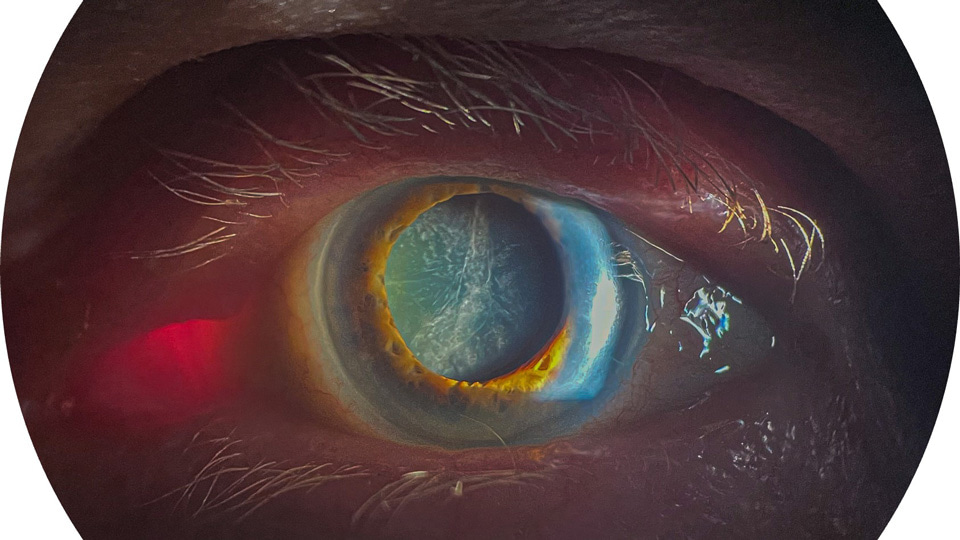
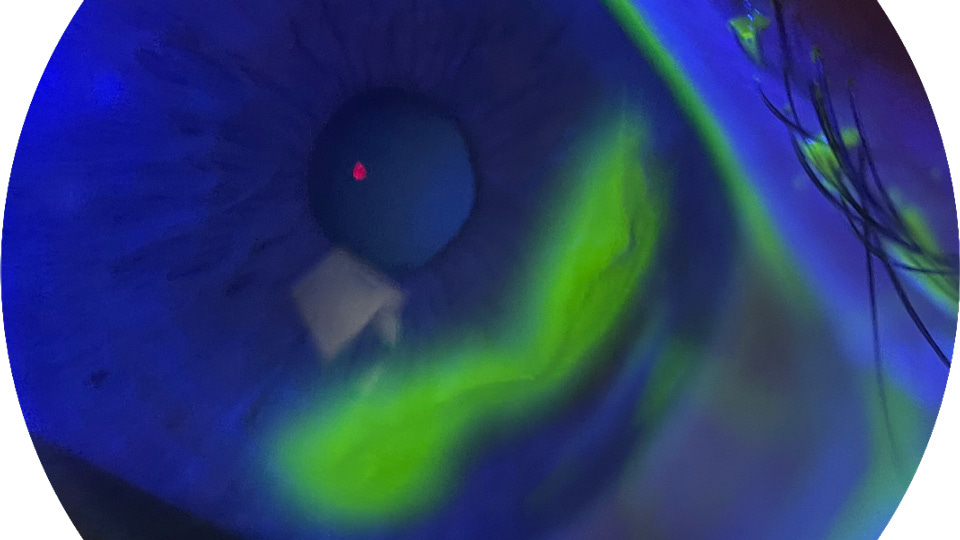
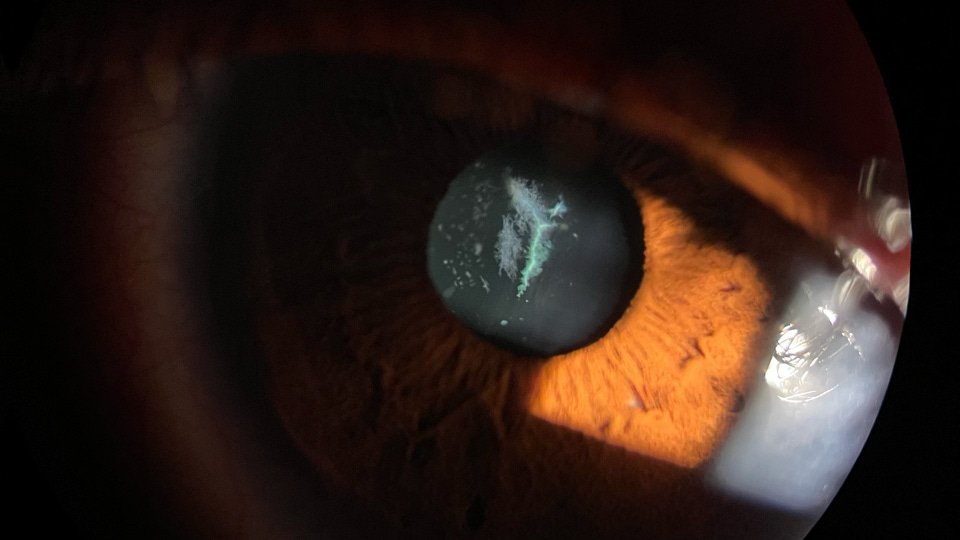
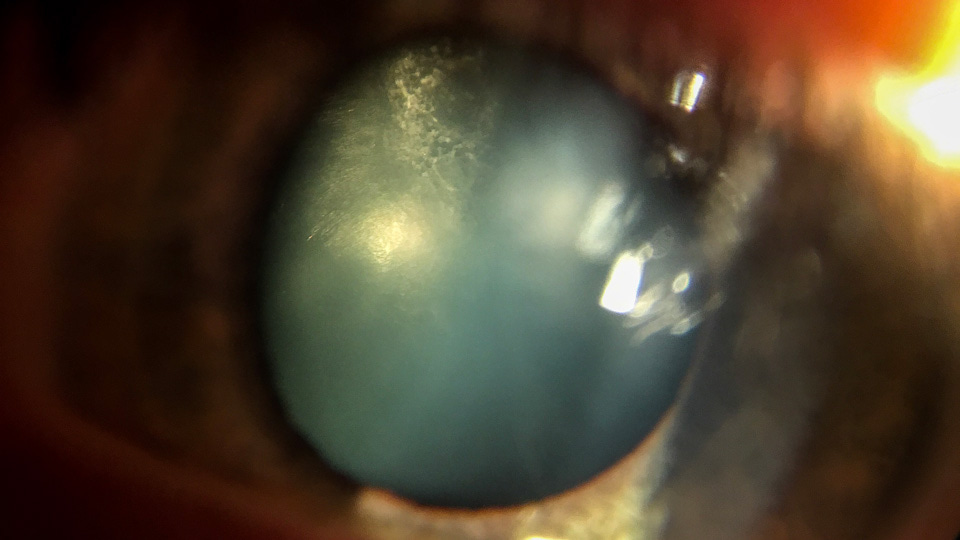
Mussa recommended keeping the testing room dark when attempting to cover anterior segment images.
“If you’ve got screens behind you, you will get reflections on the cornea, so it’s important to turn those screens off,” he said.
When starting out in anterior segment imaging, Mussa recommended that practitioners use a lower level of magnification as it is more forgiving.
“With high magnification, subtle shifts in focus or lighting can really disrupt your image,” he said.
Mussa noted that decoupling the slit lamp can be useful when taking anterior segment images because it reduces the risk of lens flare.
For beginners, taking images of the iris can be a good place to start, Mussa shared.
“The team love it, because they get nice pictures of their iris, and you can practise going from low to medium to high magnification, keeping the details of the iris in focus,” he said.
Mussa shared that slit lamp skills lay the groundwork for starting out in anterior segment imaging.
“If you don’t have a good knowledge of how your particular set up works, then you’re never going to capture good images,” he advised.
“You really need to hone your slit lamp skills before you have a go at imaging,” Mussa said.
He advised delegates that the quality of images would improve with practice.
“My first image was terrible, but with practice I am now at a point where I can capture an image in about 30 to 40 seconds with the patient,” Mussa said.


Comments (0)
You must be logged in to join the discussion. Log in