


10 October 2024
The early years of a child’s life are crucial for development, learning, and building lifelong habits that will shape their futures.
New research, released by the International Agency for the Prevention of Blindness (IAPB) and the Seva Foundation, has estimated the effect that uncorrected refractive error could have on learning and economic productivity – suggesting that early intervention could boost lifetime earnings by up to 78%.
World Sight Day 2024, recognised today (10 October), is focusing on children’s eye health and highlighting the need for accessible and affordable eye care around the world.
Speaking to OT ahead of the awareness day, Caroline Casey, president of the IAPB, said: “I think people forget that the potential of a child’s life and their dreams can be stopped by not having accessible or affordable eye health.”
She described World Sight Day as an opportunity to “galvanise the world’s attention” on the common aim of ensuring everyone can access eye health. Watch the interview here.
OT explored how the eye care sector is marking World Sight Day 2024 and the theme of children’s eye health.
1 UN Friends of Vision hosts vision screenings
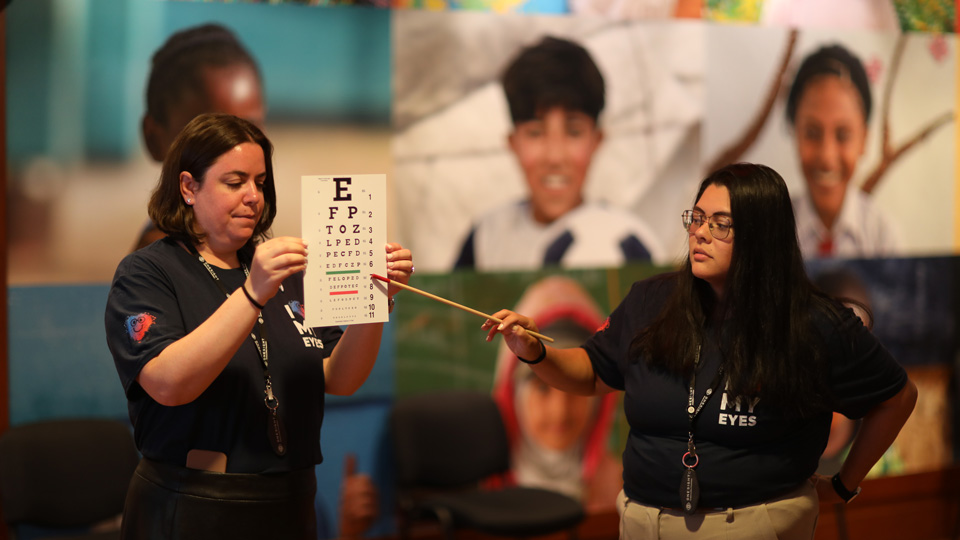
The United Nations Friends of Vision group and Unicef have been hosting sight screenings at Unicef House and the UN headquarters in New York, in recognition of World Sight Day.
Eye care professionals from the UN Friends of Vision Secretariate members, Vision Spring and OneSight Foundation, as well as the World Council of Optometry, conducted the screenings, dispensed glasses, and provided advice.
A photography exhibition was also held at UNICEF House, showcasing the work of members of the IAPB in promoting children’s eye health.
Caroline Casey, president of the IAPB, highlighted that half of sight loss in children could be prevented or treated “often with nothing more than a pair of glasses.”
The events were open to UN and UNICEF staff, as well as those working in UN missions.
Fergal Mythen, co-chair of the UN Friends of Vision Group and permanent representative of Ireland to the United Nations, spoke at the event: “Eye health is an agenda that is so positive, it’s so achievable, so doable across the globe.”
“Yes, today is about eye health, but it’s also about education, sustainable development, gender, but above all it’s about unleashing the potential of so many people,” he said.
2 World Council of Optometry supports Love Your Eyes pledge
The World Council of Optometry (WCO) is asking parents, caregivers, and schools to make a pledge to ‘Love Your Child’s Eyes.’Dr Sandra Block, WCO president, said: “World Sight Day 2024 is focused on children’s vision. What a great opportunity to highlight and increase awareness of the importance of screening, diagnosing, and treating vision issues early in a child’s life to reduce the number of people with preventable visual impairments. Good vision is important for our children to learn and grow.”
The WCO has recently published a summary of its 2023 global survey investigating the demographics of the optometry profession in WCO member countries.
The research revealed that 20% of countries surveyed limit the use of diagnostic drugs, such as cycloplegics, which Dr Yazan Gammoh, chair of the WCO education committee and lead author of the study, said could hinder early detection.
3 Orbis celebrates life-changing eye care with #MyEyeStory campaign
The international eye care charity, Orbis, is raising awareness of the “millions of children” around the world who are waiting for eye care through its #MyEyeStory campaign.The campaign encourages people to share their personal stories of the effect of eye care through one-minute videos on social media, using the hashtag and tagging Orbis UK.
Orbis partners Bausch + Lomb, Hoya Vision Care, Babiators, and Corza Medical, are each making a financial contribution to support the charity’s work in Africa, Asia, Latin America, and the Caribbean, where 90% of those with untreated vision loss live.
The charity highlighted that these donations could help to establish a vision centre for a rural community, fund glasses, deliver surgeries, or support the training of eye care professionals.
Paul Hopkinson, business development lead at Orbis UK, said: “We are incredibly grateful for the invaluable support from our corporate partners on World Sight Day.
“This day is an opportunity to celebrate the incredible progress made by the global eye health community in tackling avoidable blindness while also focusing on the challenges ahead. Together, we are raising awareness of what’s still left to be done to ensure everyone has access to eye care, helping to protect the sight of millions of people for generations to come,” he said.
4 Peek Vision’s Dr Priya Morjaria on hope for a step change
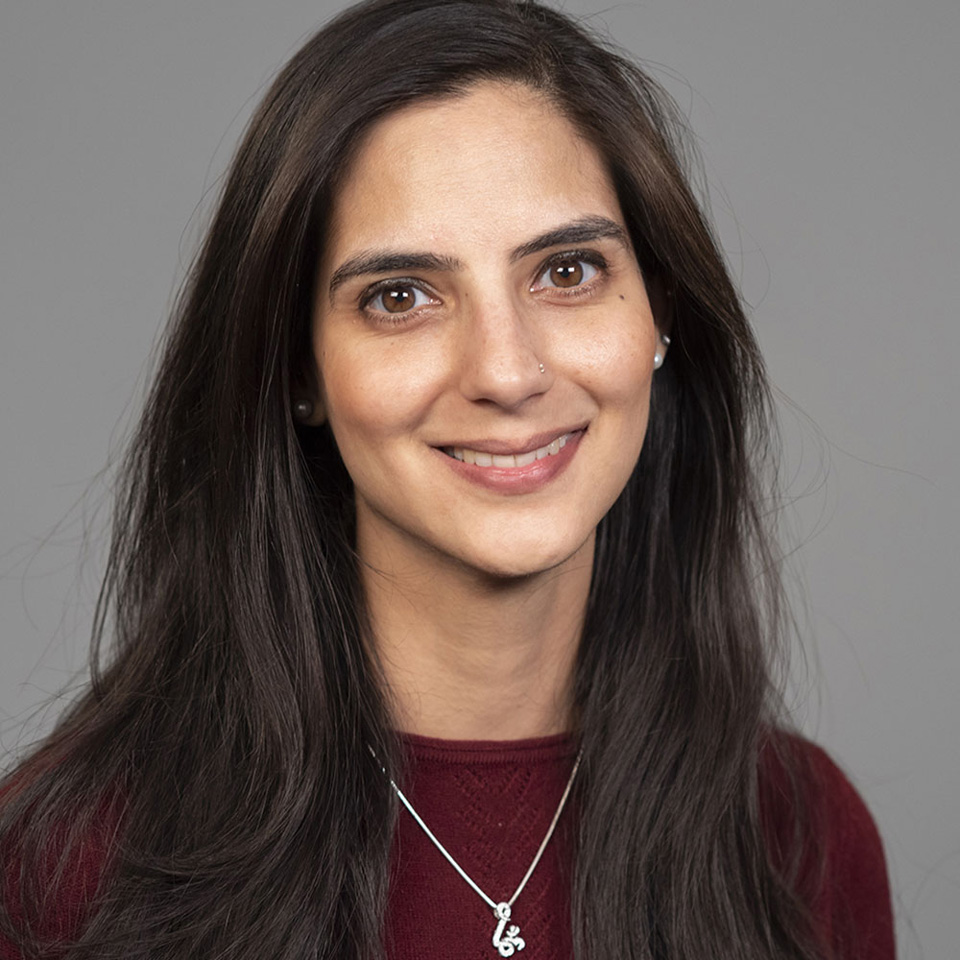
Peek Vision has welcomed the 2024 World Sight Day focus on children’s eye health.Dr Priya Morjaria, head of global programmes at Peek Vision and assistant professor at the International Centre for Eye Health at London School of Hygiene & Tropical Medicine, said: “With rates of myopia in children growing all the time, initiatives like this which bring the sector together globally are so important.”
Morjaria shared her own first-hand experience of the effect of untreated poor sight.
“My teachers told my parents that I was not paying attention in class, but it turned out that I wasn’t able to see the board. As soon as I received glasses, my grades – and my confidence – improved hugely,” she said.
“But I’m very aware that I was one of the lucky ones and for so many children, cost-effective treatments like glasses and medication are out of reach, despite the tireless work of eye health services,” she added.
The sector is positioned to make a “huge difference” in improving children’s access to eye health, Mojaria suggested, partly due to advocacy efforts of organisations such as the IAPB and World Council of Optometry.
Change is also being driven thanks to “the many areas in which research and innovation are beginning to bear fruit.”
Mojaria’s research focuses on improving the efficiency of school eye health programmes, and she is currently leading the development of a new School Eye Health Rapid Assessment tool using Peek technology.
“I find it tremendously exciting to be part of this through my work at Peek Vision and the International Centre for Eye Health and I’m hopeful that we’ll see a real step change in the coming years. It can’t come too soon,” she added.
With rates of myopia in children growing all the time, initiatives like this which bring the sector together globally are so important
5 Vision Action on creating a brighter future
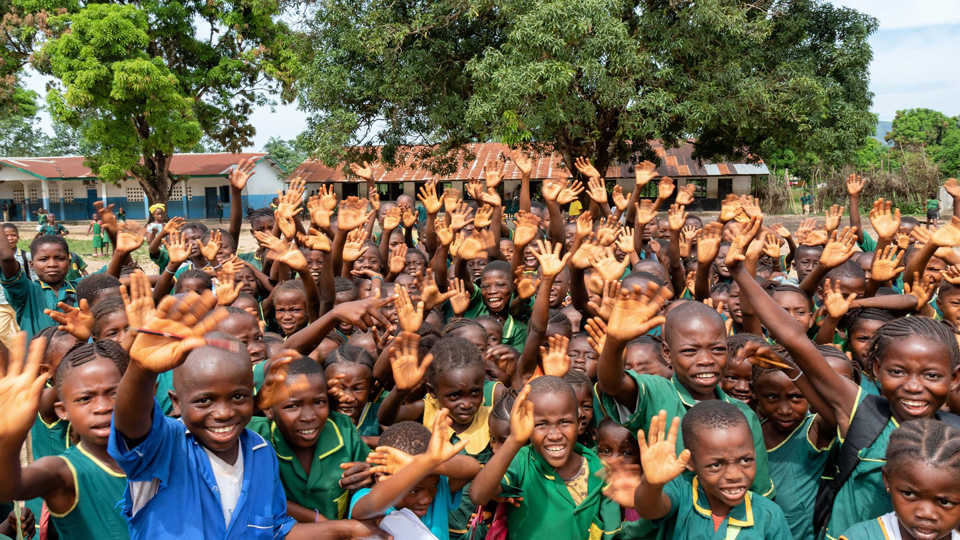
Vision Action shared that the World Sight Day focus on children’s eye health highlights “a crucial aspect of global wellbeing.”Emerica S P King, country director in Sierra Leone for Vision Action, said: “At Vision Action, we believe that every child deserves the opportunity to see clearly, ensuring that vision issues don’t become barriers to education and personal development.”
“Moving forward, we want to see a world where early eye screenings, accessible treatments, and inclusive eye care services are prioritised for all children, regardless of their background. Together, we can create a brighter future for the next generation by addressing eye health today.”
6 Modo Eyewear and Seva Foundation make progress on vision centres
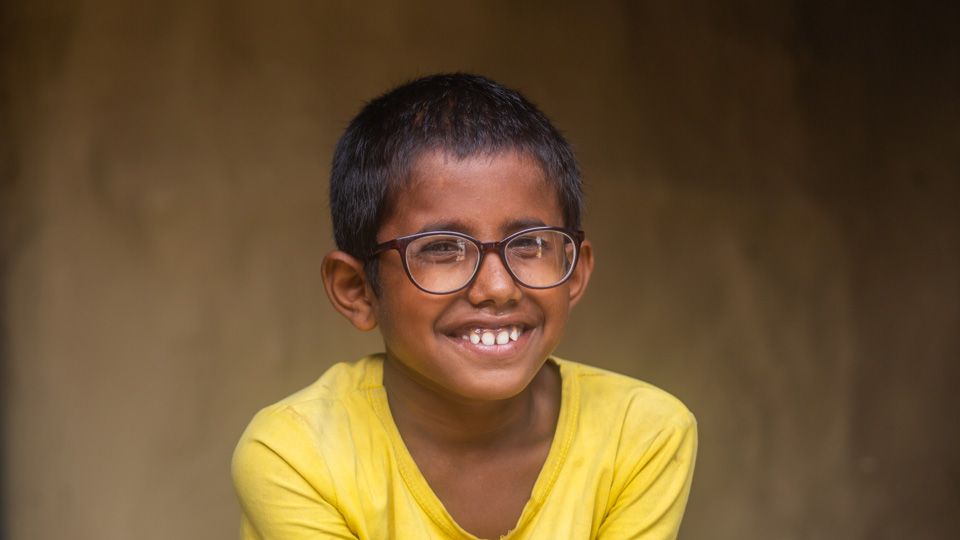
Modo Eyewear and Seva Foundation are supporting the establishment of 14 vision centres in Nepal and India.The project began in 2022 with the mission of providing eye care to more than one million people by 2025.
The centres will provide sustainable, high-quality, and affordable eye care services, including eye exams and follow-up care, Modo Eyewear shared, adding that this will make eye care more accessible “to underserved populations, especially women and children.”
Support from the eyewear manufacturer covers training, infrastructure, and equipment for the vision centres.
Modo Eyewear has also celebrated a new milestone in its Buy a Frame – Help a Child See programme, which has now helped 1.8 million children.
Through the programme, Seva partners provide school vision screenings, and secondary exams at hospitals for children who require further care, as well as education for teachers and families on conditions, treatments, and the importance of wearing spectacles.
7 Villa Vision reaches 15,000 interventions milestone
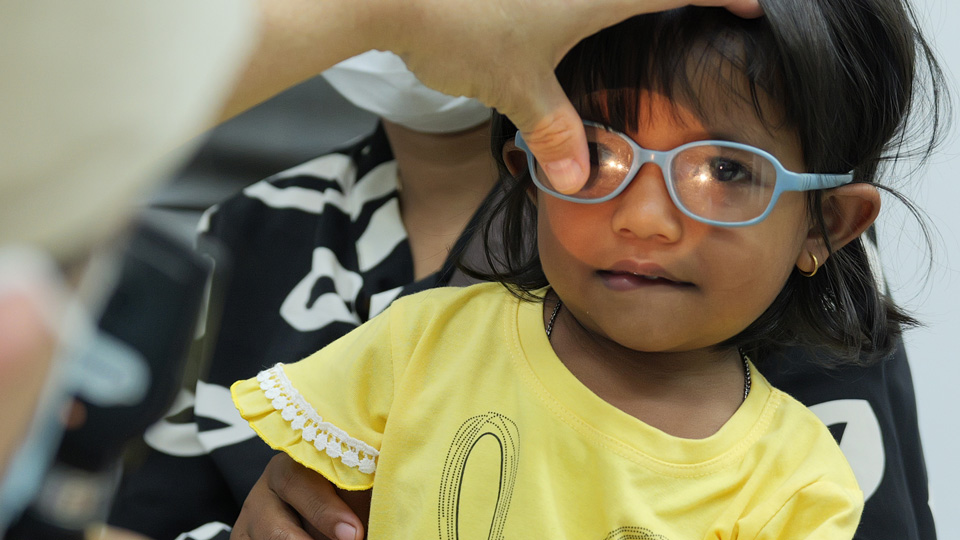
With the World Sight Day 2024 focus on children’s eye health, OT reached out to the team at Villa Vision, an initiative providing education, screenings, and eye examinations for children across Birmingham, for their take on the topic.Nikhil Sonpal, optometrist and Villa Vision project manager,told OT: “It is wonderful that children’s eye health has been given the spotlight at this year’s World Sight Day.
“Having delivered our Villa Vision eye health initiative to thousands of children, we have a firsthand understanding of the negative effect of poor sight on a child, and conversely, the positive impact that improved sight can have on a child’s development and overall potential,” he said.
This year, the initiative reached more than 15,000 individual interventions since the programme began in 2020. Read more on Villa Vision here.
8 Big changes needed to address global eye health, Sightsavers highlights
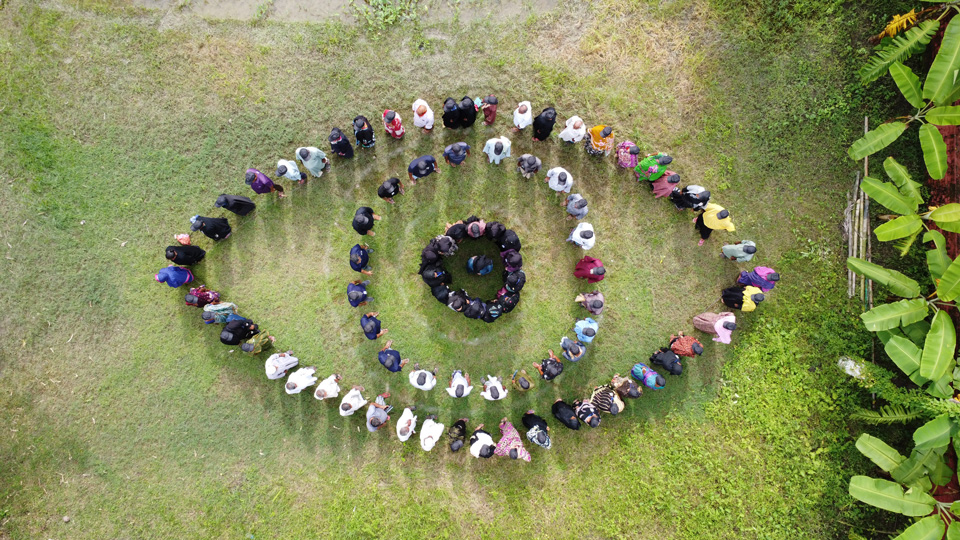
Sightsavers is raising awareness of a lack of access to eye care services globally, describing eye health as a “neglected area of healthcare.”The organisation is inviting people to create the largest eye shape they can, as part of a campaign highlighting the big changes needed to address the global inequity of eye health.
Sightsavers is encouraging people to gather colleagues and friends, or to get creative with objects from work or home to create their eyes, and share their #EyeCreation on social media.
Sightsavers is also marking World Sight Day in countries around the world, providing 200 cataract operations in Uganda along with school screenings, while in Malawi, 100 people will have cataract operations, and 1000 children will receive screenings.
In Zambia, together with the University Teaching Hospital, staff will be screening and dispensing glasses in community schools located in shanty compounds within Lusaka, as well as participating in an awareness-raising march with partners involved in eye health.
This week, Pakistan celebrated the elimination of blinding trachoma, and will be hosting eye screening camps.
In Bangladesh, Sightsavers will be hosting a roundtable discussion to explore ways to overcome barriers to inclusive eye health.
Sumrana Yasmin, deputy technical director of eye health at Sightsavers, said: “Two thirds of people don’t have access to the glasses they need to see clearly. This applies to children as well as adults. A lack of access also impacts treatment for other eye conditions like cataracts, which a child can be born with.”
Yasmin noted, adding: “Many eye health interventions can be cost-effective and relatively straightforward, yet the effect can be life-changing.”
9 RNIB encourages accessible QR code usage for households affected by sight loss
The Royal National Institute of Blind People (RNIB) is calling for large brands to embrace QR code technology this World Sight Day.The QR code was created by Denso Wave in 1994 as a method of relaying more information on automative parts produced by its parent company.
Now RNIB has been celebrating the difference accessible QR codes can make for blind and partially sighted people.
Unilever began deploying accessible QR codes on packs of Persil and Colman’s brands in 2023 and early 2024, in close partnership with RNIB.
Marc Powell, global accessibility centre of excellence lead at Unilever, explained that since introducing accessible QR codes, the company has expanded the technology across 35 brands in 25 markets with further rollouts planned for 2025.
RNIB also worked closely with Kellanova to create an accessible Coco Pops box in recognition of World Sight Day 2020 – marking the first time NaviLens, which reads aloud labelling information, had been used on packaging.
Pete Matthews, senior director, brand design and operations at Kellanova, explained: “The trial was successful, but we had a lot of consumer feedback asking for this technology to be included on all our packaging. So that’s exactly what we did next – adding NaviLens codes to all our Kellogg’s, Pringles and Cheez-It packs across Europe, printing more than two billion accessible packs.”
Daphne Mavroudi-Chocholi, managing director of RNIB Enterprises, said: “It’s fantastic that organisations such as Unilever, P&G, Nestle and Kellanova are playing an instrumental role in making some of the world’s most loved brands more accessible for blind and partially sighted people so that they have the same freedom, independence, and choice as sighted customers.”
RNIB pointed out that one in five UK households is affected by sight loss.
Mavroudi-Chocholi emphasised: “the lack of inclusive products and experiences, be they online or offline, affects us all.”
“RNIB champions truly accessible design so that everyone is included by default and that can only be achieved through close, cross-sector collaboration,” she added.
10 Zeiss celebrate partner projects
Zeiss has celebrated its programmes helping to improve eye health and vision care for children.Through the Aloka Vision Programme, Zeiss enables Eye Camps to provide children in underserved regions of India with ophthalmic care and vision tests.
With its partner, Optik Tunggal, Zeiss is donating 2025 pairs of spectacles for children with congenital cataracts in Indonesia by 2025.
Zeiss technology also supports charities providing eye care and in training eye care professionals.
In celebration of World Sight Day, the company highlighted the story of five-year-old Buyandeleger, from Mongolia, who was born with a cataract in her right eye.
After learning that the Orbis Flying Eye Hospital would be visiting the capital city, Ulaanbaatar, Buyendeleger’s family made the long journey for an appointment, where she was diagnosed.
The Orbis clinical team used a Zeiss IOLMaster 500 to select the right lens implant, making her the Flying Eye Hospital’s youngest patient yet to be scanned by the donated Zeiss medical device. Following the cataract surgery, Buyandeleger has restored vision.
Jesper Wiegandt, chief marketing officer at Zeiss Vision Care, commented: “Lifelong eye health has to begin with our actions at young ages. Creating early awareness for how to maintain good vision can and will make a real impact on every child’s life, education, and future.”


Comments (0)
You must be logged in to join the discussion. Log in