
21 August 2026
Optometrists play an increasingly important role in supporting cataract patients, particularly those with comorbidities, more complex needs or higher expectations around visual outcomes.
At Moorfields Private Eye Hospital, every cataract procedure is tailored to the individual.
In this feature, Moorfields Private consultants explore some of the challenges cataract patients can face and how they provide personalised care to every patient to achieve the best possible outcome.
Cataract in glaucoma patients
Andrew Scott, consultant ophthalmic surgeon

Cataract patients with age-related macular degeneration
Luke Nicolson, consultant ophthalmic surgeon

Cataract often develops and complicates the quality of vision in patients with age-related macular degeneration (AMD). Visual outcomes are closely linked to macular health. Optical coherence tomography supports referral detail, guides treatment timing and helps set patient expectations. It is important to ensure there is no active ‘wet’ AMD changes that are happening at the same time as the cataract. If so, prompt treatment, stabilisation of disease and appropriate timing for surgery are essential for optimal outcomes.
Following cataract surgery, patients should be monitored for macular oedema or any reactivation of AMD, although risks are low when the condition is well-controlled before intervention.
Multifocal lenses are generally avoided in macular pathology due to their possible impact on contrast sensitivity.
Cataract in patients with a history of retinal detachment
Professor James Bainbridge, consultant ophthalmic surgeon

Accelerated development of cataract is a common, predictable side effect of vitrectomy surgery for retinal disease. The presence of cataract can impair evaluation of a condition of the retina. For these reasons, cataract surgery may be performed in combination with vitrectomy surgery.
Certain lens implants are more appropriate than others in the context of retinal conditions. Monofocal lens implants preserve sensitivity to contrast, cause less glare and protect against the effects of retinal disease compared to multi-focal alternatives.
Innovation for patients who cannot lie flat
Kamran Saha, consultant ophthalmic surgeon
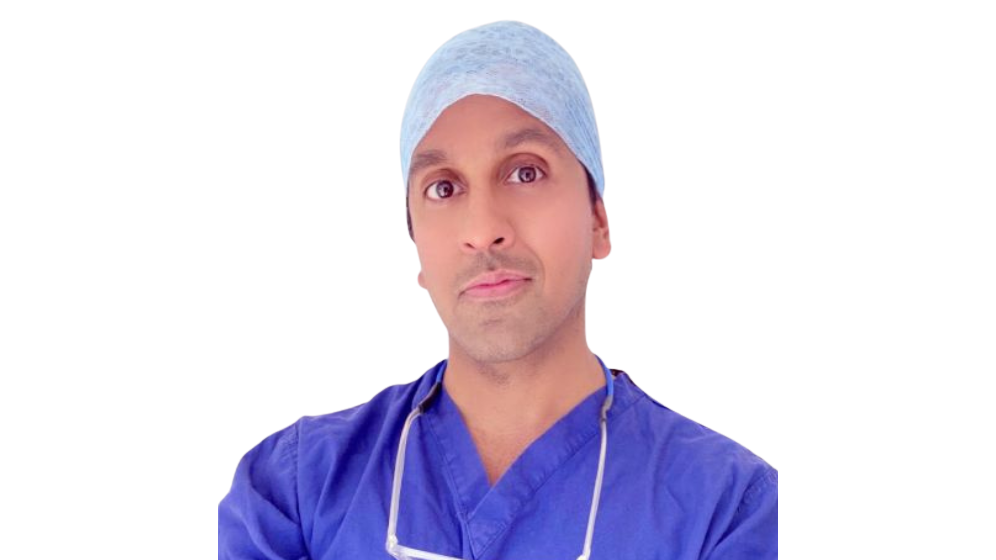
Moorfields Private is one of the few places in the world to offer cataract treatment to patients who are unable to lie flat due to their physical or mental issues. We can perform surgery in semi-recumbent, seated or face-to-face positioning, even with the patient sitting in their wheelchair.
The same expertise extends to YAG laser capsulotomy for posterior capsular opacification in patients who cannot sit upright or are bed-bound.
This approach broadens access for patients with spinal deformity, respiratory compromise, cardiac conditions or frailty – groups historically considered unsuitable for standard surgery.
Modern cataract surgery presents an opportunity to reduce dependence on glasses or contact lenses
Premium IOLs and patient choice
George Voyatzis, consultant ophthalmic surgeon

Modern cataract surgery presents an opportunity to reduce dependence on glasses or contact lenses. Many patients choose premium IOLs to achieve a greater range of vision tailored to their lifestyle and visual needs.
IOL options include:
- Standard Monofocal IOLs: Excellent distance vision; intermediate and near vision glasses are usually required
- Monofocal Plus IOLs: Clear distance vision with modest improvement in intermediate vision; reading glasses are often needed
- Extended Depth of Focus (EDOF) IOLs: Enhanced distance and intermediate vision, with reduced dependence on glasses for everyday activities
- Trifocal IOLs: Designed to provide distance, intermediate and near vision, offering the greatest chance of spectacle independence.
For patients with corneal astigmatism, toric IOLs are available with any of the above lens types to correct significant corneal astigmatism at the time of surgery.
To learn more about how we can support you with complex cataract cases, contact our referrals team by email.