


26 March 2026
A Darwin therapeutic optometrist has described his experience of treating 18 Australian Football League (AFL) players with a mysterious eye condition that is being investigated by the Northern Territory’s Centre for Disease Control (CDC).
On Friday (20 March), the CDC confirmed that 71 AFL players were experiencing keratoconjunctivitis – with exposure to wet and muddy fields a risk factor for developing the condition.
The CDC confirmed that laboratory investigations are ongoing, with no specific pathogen identified yet.
Lance Chin Quan, who has practised as an optometrist in Darwin for more than four decades, told OT that at first he thought the eye condition was viral conjunctivitis after examining two AFL players who were also roommates.

They had unilateral conjunctivitis, swollen lymph nodes and small subepithelial opacities.
However, the Tropics Optics optometrist noticed that the opacities in these cases had a different quality to what he would usually see in the viral form of the condition.
“Normally they would be a small white dot surrounded by a distinctive pale halo, but these presented differently,” he said.
“The lesions had a granular appearance rather than this concentric circle,” Chin Quan said.
As the number of AFL players presenting with symptoms grew, Chin Quan observed other signals that the eye condition may not be viral in nature.
The condition has remained largely unilateral – with only two of the 18 players Chin Quan has assessed developing conjunctivitis in both eyes.
“It's not transmitting from one eye to the other,” Chin Quan explained.
In pictures
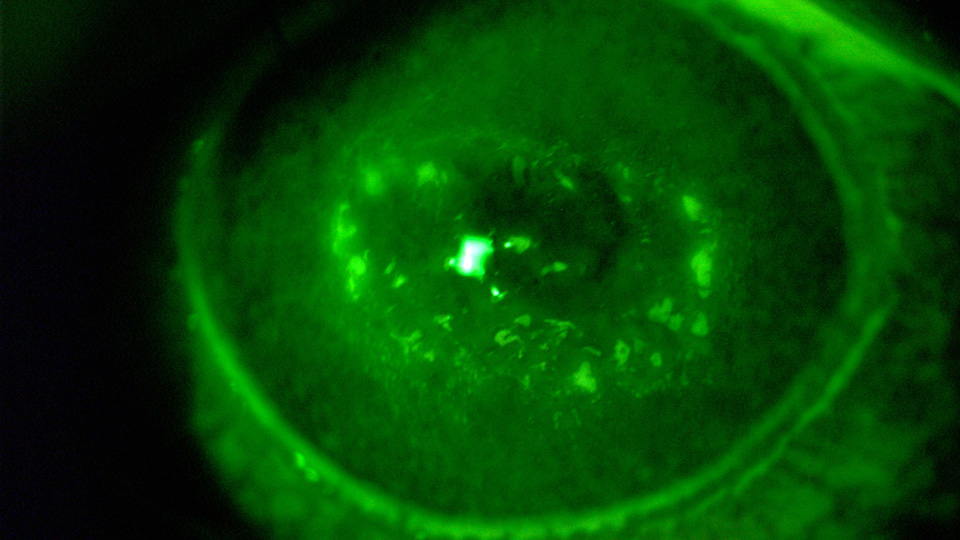
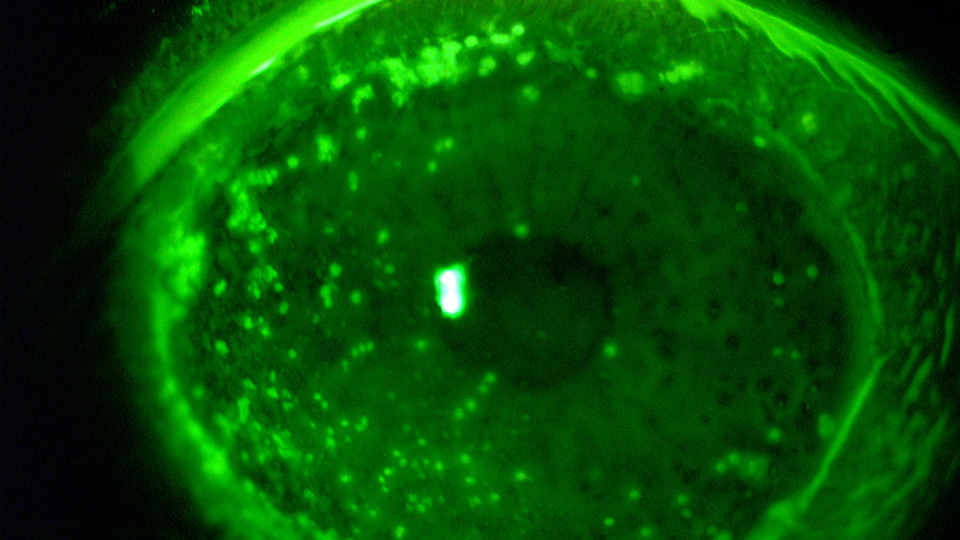
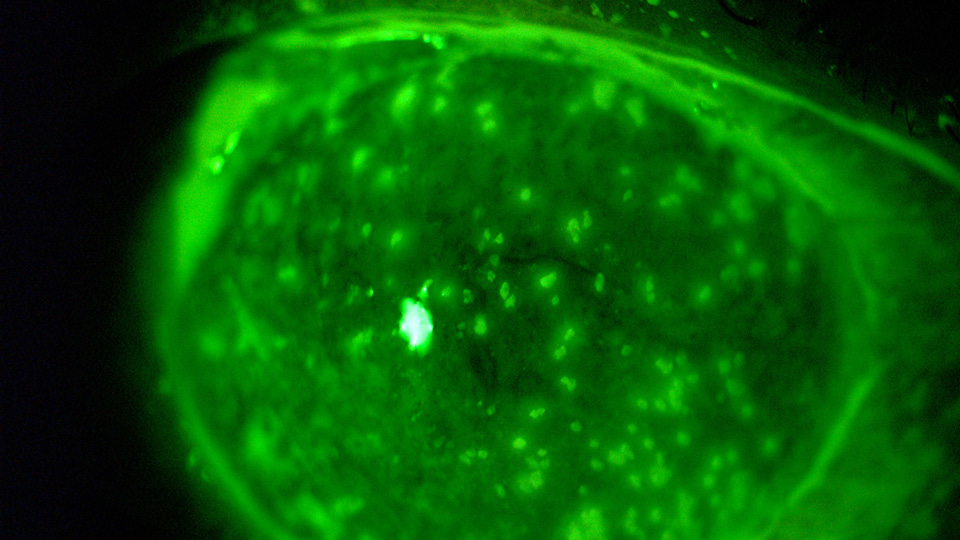
He added that players are not transmitting the infection to their partners or family members.
“There’s only one family where the three kids have got it – but two of them are players and the other is a younger brother who plays on the field,” Chin Quan said.
The CDC has recommended that patients are treated with topical ciprofloxacin or ofloxacin four times a day, with Maxidex twice daily.
Chin Quan told OT that he has seen patients with the condition whose visual acuity in the affected eye has dropped to 6/12.
He added that resolution of symptoms is generally taking around two to three weeks with treatment.
An Adelaide ophthalmologist is suspicious that the condition may be microsporidia keratitis – although no pathogen has yet been identified through testing.
“It all seems to be related to the football fields,” Chin Quan said.
“We have had very wet, monsoon conditions, and the mud splashes in players’ eyes,” he added.
“I'm wondering, is it the fertilizer that they're using on the grounds? We’re hoping to get some results back over the next few days,” Chin Quan said.

He noted that the Royal Darwin Hospital eye clinic has prepared stocks of voriconazole if the cause of the infection is confirmed to be microsporidia.
“The main thing we're waiting for is a clear definition of what this pathogen is,” Chin Quan highlighted.
He added that in the meantime AFL players are taking preventative measures, such as avoiding playing on certain fields and flushing out players’ eyes with saline during breaks in play.
Nightcliff Football Club treasurer, Liz Oliver, confirmed that both male and female players at the Darwin club had been affected by the outbreak. She could not recall any other outbreaks of a similar nature in the club’s history.
Oliver noted that players had experienced a range of symptoms, including sore, itchy and red eyes, as well as sensitivity to light.
"We shared the information we received from CDC with all our players' groups and encouraged them to contact CDC directly for latest information and guidance,” she told OT.


Comments (0)
You must be logged in to join the discussion. Log in