


13 March 2026
Glaucoma UK has unveiled glaucoma simulation images for World Glaucoma Week 2026 (8–14 March) to help people better understand how the condition may be experienced.
Glaucoma UK developed the images in collaboration with researchers at City St George’s, University of London, drawing on research from the Crabb Lab.
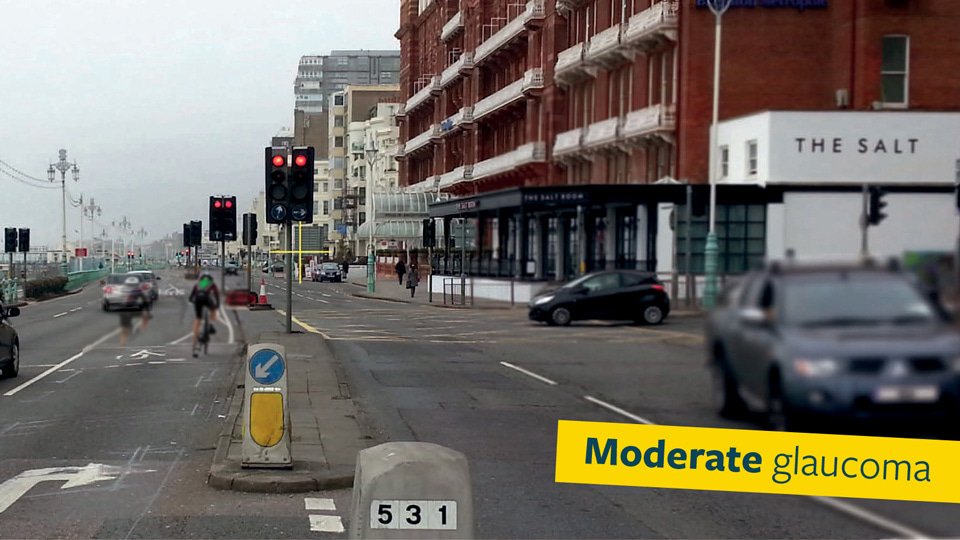
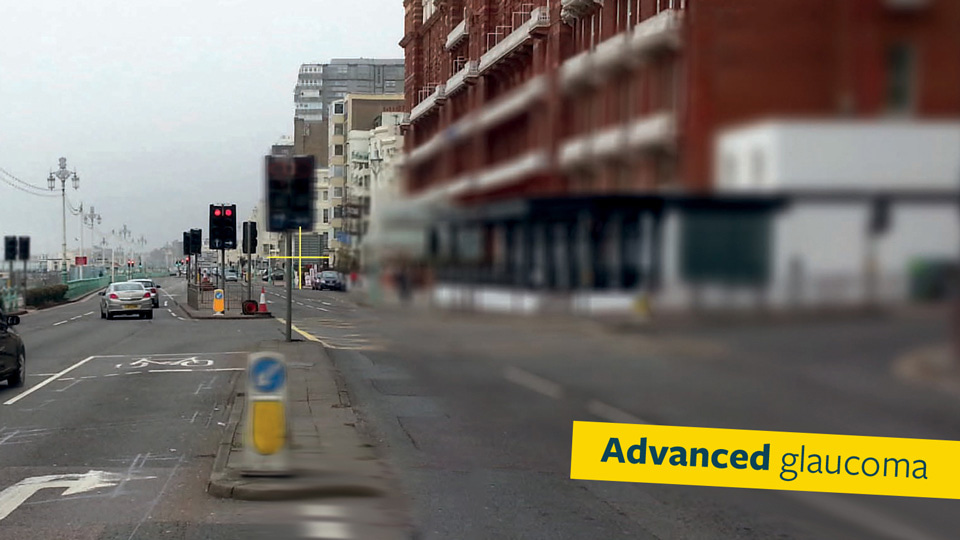
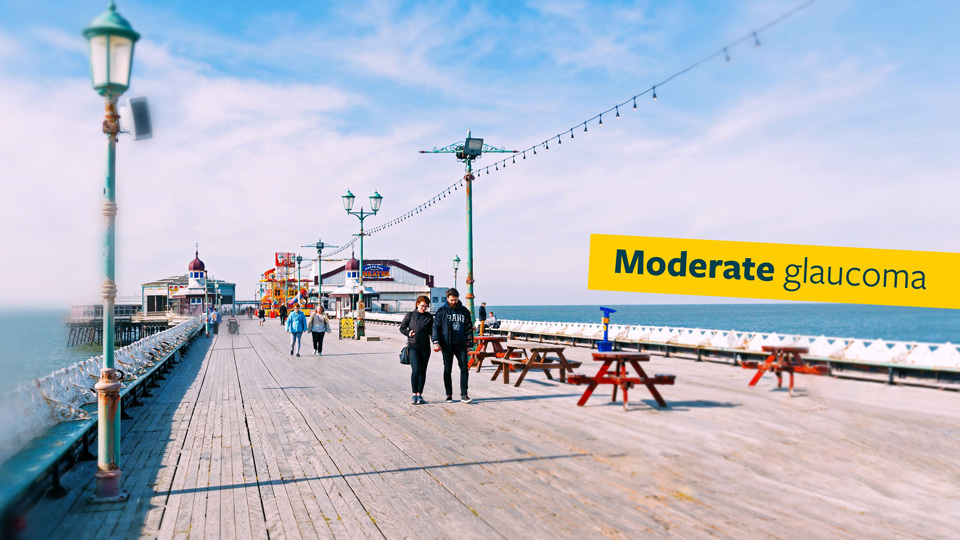
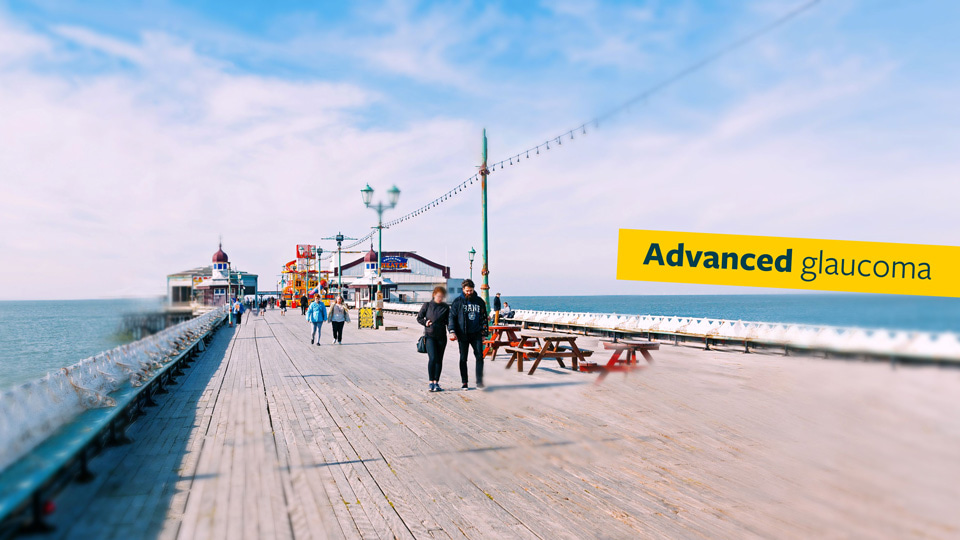
The charity highlighted that the work shows that glaucoma is not typically experienced as a ‘black tunnel’ or as large dark patches, as can be often seen in stock imagery, but that many people describe blurry, misty, or missing patches, especially in the early stages and sometimes only detectable when one eye is closed.
Research has shown that the brain plays an active role in ‘filling in the gaps,’ especially when both eyes are open, masking the early signs of peripheral vision loss.
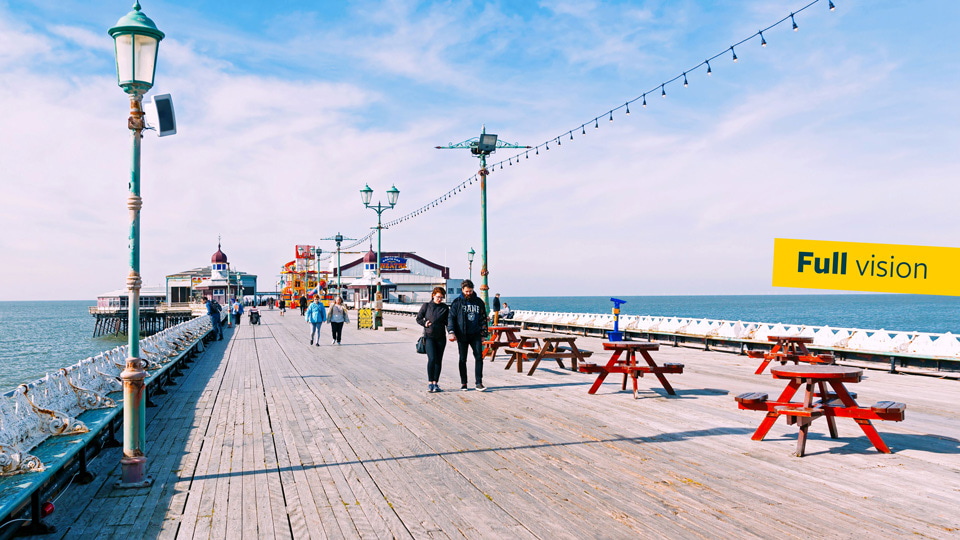
The simulations illustrate unaffected vision, in which the scene appears clear and any background blur reflects ordinary depth of field.
Simulations of developing glaucoma illustrate subtle losses of edge detail, with the charity highlighting that people may not notice missing objects or partial scene information because of the brain’s attempts to compensate.
Finally, simulations of advanced glaucoma illustrate that major central areas may still appear clear, while significant peripheral vision is lost. If untreated, central vision can eventually be affected too.
Glaucoma UK noted that the variations can highlight why people often do not realise they have glaucoma until the disease is advanced.
Rachel Nunn, head of communications at Glaucoma UK, said: “We're grateful to the researchers at City St George’s, University of London, for collaborating with us to develop these simulation images. This work is vital, as people’s experiences of glaucoma are highly subjective and our aim was to create images that are as accurate and representative as possible.”
“We welcome opportunities to work with professionals and organisations to raise awareness of glaucoma through these simulation images, and we’re ready to support by providing any assets they may need,” Nunn added.



Comments (0)
You must be logged in to join the discussion. Log in